





The Book That Invented Cyberspace Is Finally Getting a Screen
William Gibson published Neuromancer in 1984 and, in doing so, handed science fiction a new vocabulary. Cyberspace, console cowboys, corporate zaibatsus colliding in the dark – the novel didn’t predict the internet so much as it invented the emotional logic that would make the internet feel worth fearing. Decades of failed option deals and stalled productions followed, each collapsing under the weight of what the source material demanded.
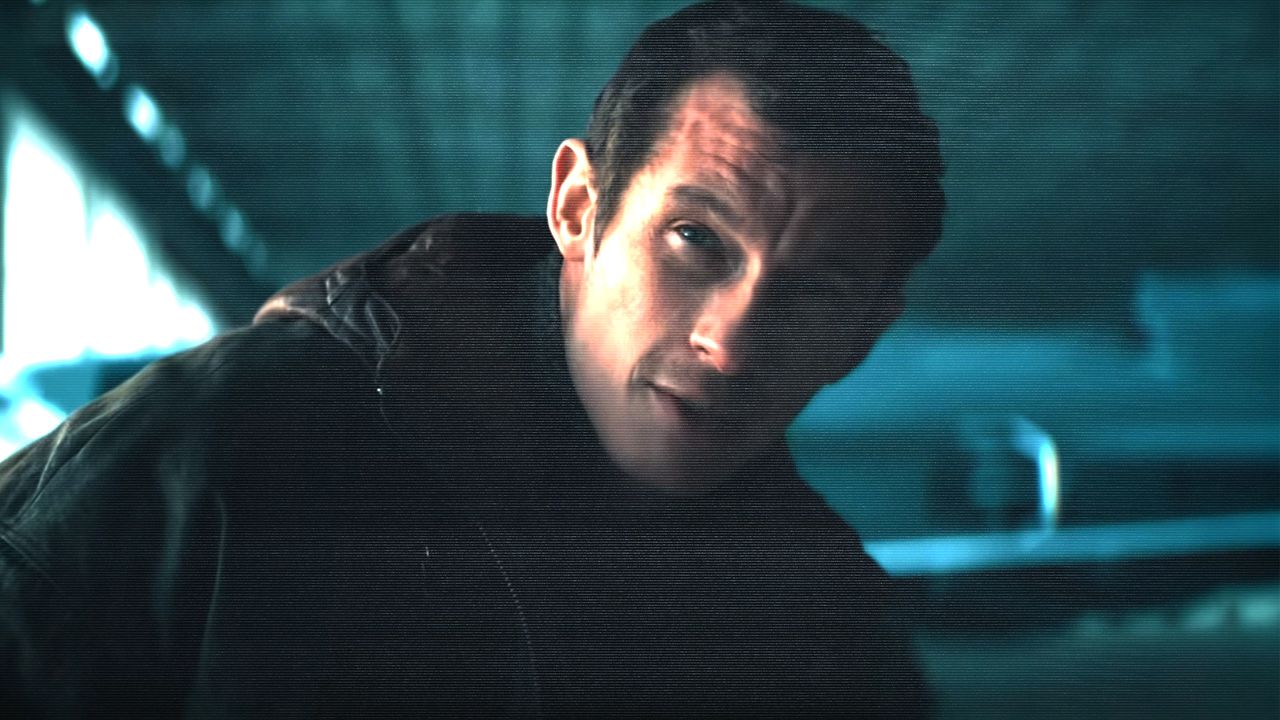
Now British actor Callum Turner is set to lead the long-awaited television adaptation, with the series targeting a 2027 release.
Turner arrives at this role carrying a particular kind of cultural momentum. Already circulating as a serious contender among James Bond front-runners, he has spent the last several years migrating steadily from prestige supporting work toward the center of major productions. Casting him in a Gibson adaptation is, at minimum, a signal that whoever is behind this project is not treating it as background noise.
Why Neuromancer Defeated Every Previous Attempt
The novel follows Case, a washed-up hacker whose nervous system has been deliberately sabotaged, leaving him unable to jack into cyberspace – the one place he understood himself. He gets recruited by a mysterious employer for a job that gradually reveals itself to involve two artificial intelligences maneuvering against their own constraints. Gibson wrote it in one sustained fever, reportedly terrified it would fail, and it won the Hugo, the Nebula, and the Philip K. Dick Award in the same year. No science fiction novel had done that before.
Adapting it has defeated serious people for a long time. The problem isn’t the plot, which is relatively linear once stripped of its texture. The problem is that Neuromancer operates through atmosphere and interiority – Case’s alienation from his own body, the way cyberspace is described as a consensual hallucination, the novel’s refusal to explain its own slang. Translating that into something visual without flattening it into a generic dystopia requires decisions that are genuinely difficult, and expensive, and easy to get wrong.
Television, rather than film, is the smarter format for this material. A single feature can’t hold the Tessier-Ashpool family history, the Rastafarian space station Zion, Molly Millions and her surgically implanted mirror lenses, and still have room for the actual heist. A series has time to let the world breathe, to make the Sprawl feel inhabited rather than dressed. Whether this production has actually solved those problems won’t be visible until 2027, but choosing the longer format is at least the right instinct.
What Turner Brings to the Role of Case
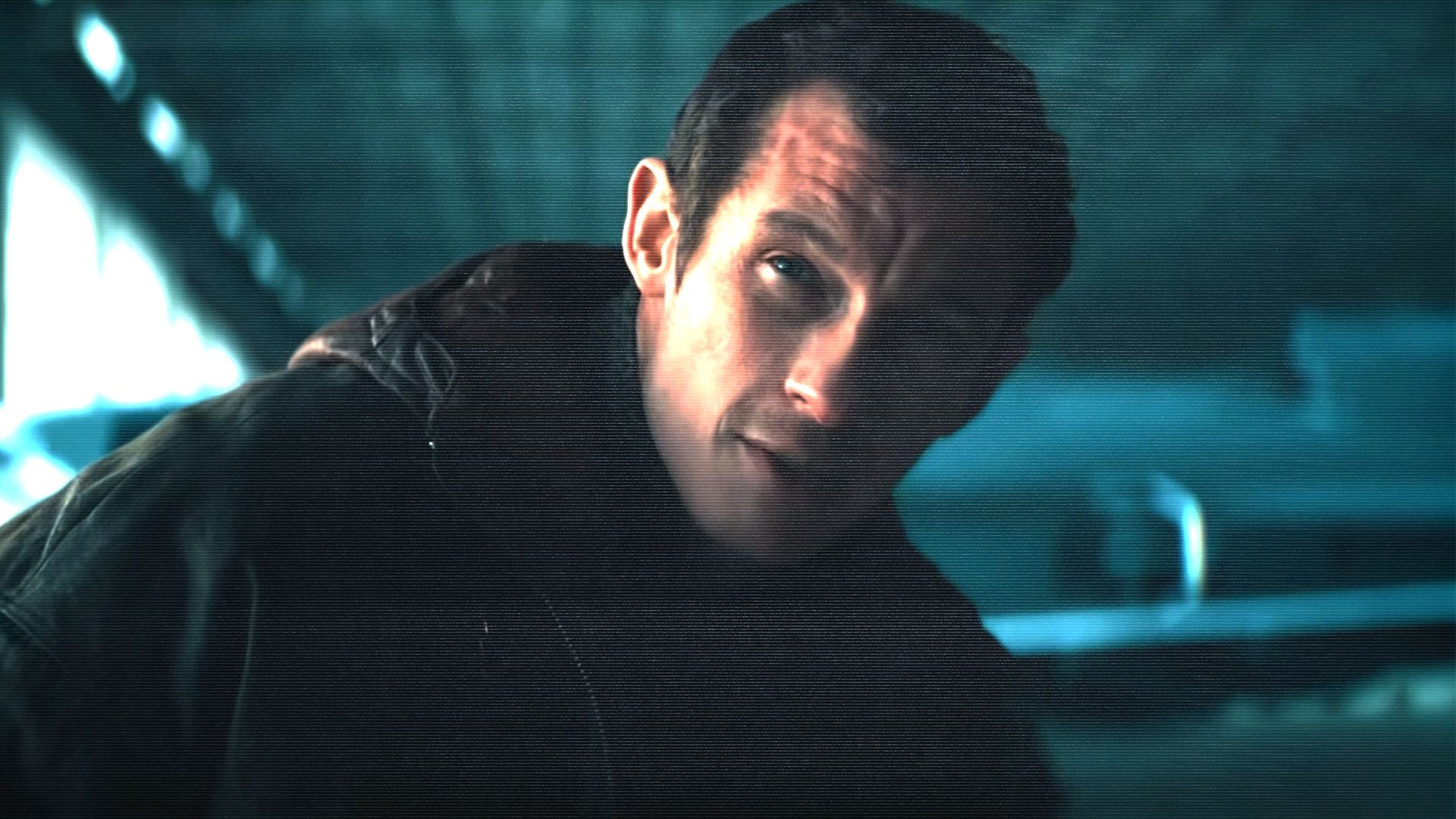
Case is not a hero in any conventional sense. He is self-destructive, occasionally cowardly, and motivated primarily by addiction – first to cyberspace access, then to the job itself. Playing him requires an actor who can make passivity interesting, who can register interiority without much dialogue to carry it. Turner has demonstrated exactly that range in earlier work, where he’s often most effective when he’s holding something back rather than pushing something forward.
The James Bond conversation surrounding him is relevant here not because spy-film aesthetics have much to do with Gibson’s world, but because it indicates where the industry currently places him – in the category of actors whose physical presence and restraint make them candidates for roles that require audiences to project onto them. Case is precisely that kind of character.
There is also something fitting about a British actor embodying a distinctly American strain of noir pessimism filtered through a Canadian author’s vision of a future that now looks less like prophecy and more like recent memory. Gibson has said in various interviews over the years that by the time culture caught up to Neuromancer, the book had already moved on in his own mind. What Turner and the production team will be adapting is not the future Gibson imagined but the past that future became.

The 2027 window gives the production enough runway to get the visual effects right, and enough time for the cultural appetite around artificial intelligence – which has only sharpened since Gibson first put two AIs at the center of a thriller – to make the story feel not like a period piece but like a live wire. Whether the show understands the difference between depicting a world shaped by machine intelligence and actually interrogating what that world costs the people living inside it is the question that will determine whether this becomes essential or merely elaborate.