





A Million-Copy Author, Now Off British Shelves
Sally Rooney, the Irish novelist whose dissections of Millennial desire and political anxiety made Normal People a cultural fixture, told The Guardian this week that her books can no longer be sold in the United Kingdom. Her publisher, Faber, made the decision after concluding that continuing to supply her work within British borders could expose Rooney to criminal prosecution under the UK’s Terrorism Act. The author has stated, publicly and without qualification, that she intends to keep directing a portion of her book profits to Palestine Action – a direct-action protest group proscribed as a terrorist organization in the UK in July 2025.
The legal mechanism here is blunt: under the Terrorism Act, providing financial support to a proscribed organization is a criminal offense, regardless of whether the proscription itself is disputed.
Rooney published an opinion piece in August 2025, the month after Palestine Action was classified, affirming that she would not stop supporting the group. Palestine Action is not proscribed in the Republic of Ireland, where Rooney lives and works. That distinction carries legal weight at home and almost none across the Irish Sea. Once that piece went public, Faber faced a calculation with only one viable answer.
What Faber’s Decision Actually Means
In her statement to The Guardian, Rooney was precise about the sequence of events. Palestine Action was proscribed in July 2025. She wrote her opinion piece the following month. The fulfillment of publishing contracts in the UK then became, in her words, a potential “serious criminal offense.” After consultation with Faber, she agreed to the decision to withdraw her titles from the UK market entirely.
Normal People alone sold more than one million copies in the UK, according to The Irish Times. That number puts the commercial weight of this decision into immediate focus – not just for Rooney’s earnings, but for Faber’s. Pulling a backlist that includes one of the best-selling literary novels of the past decade from an entire national market is not a routine business call. It reflects a legal exposure serious enough that no commercial consideration could offset it.
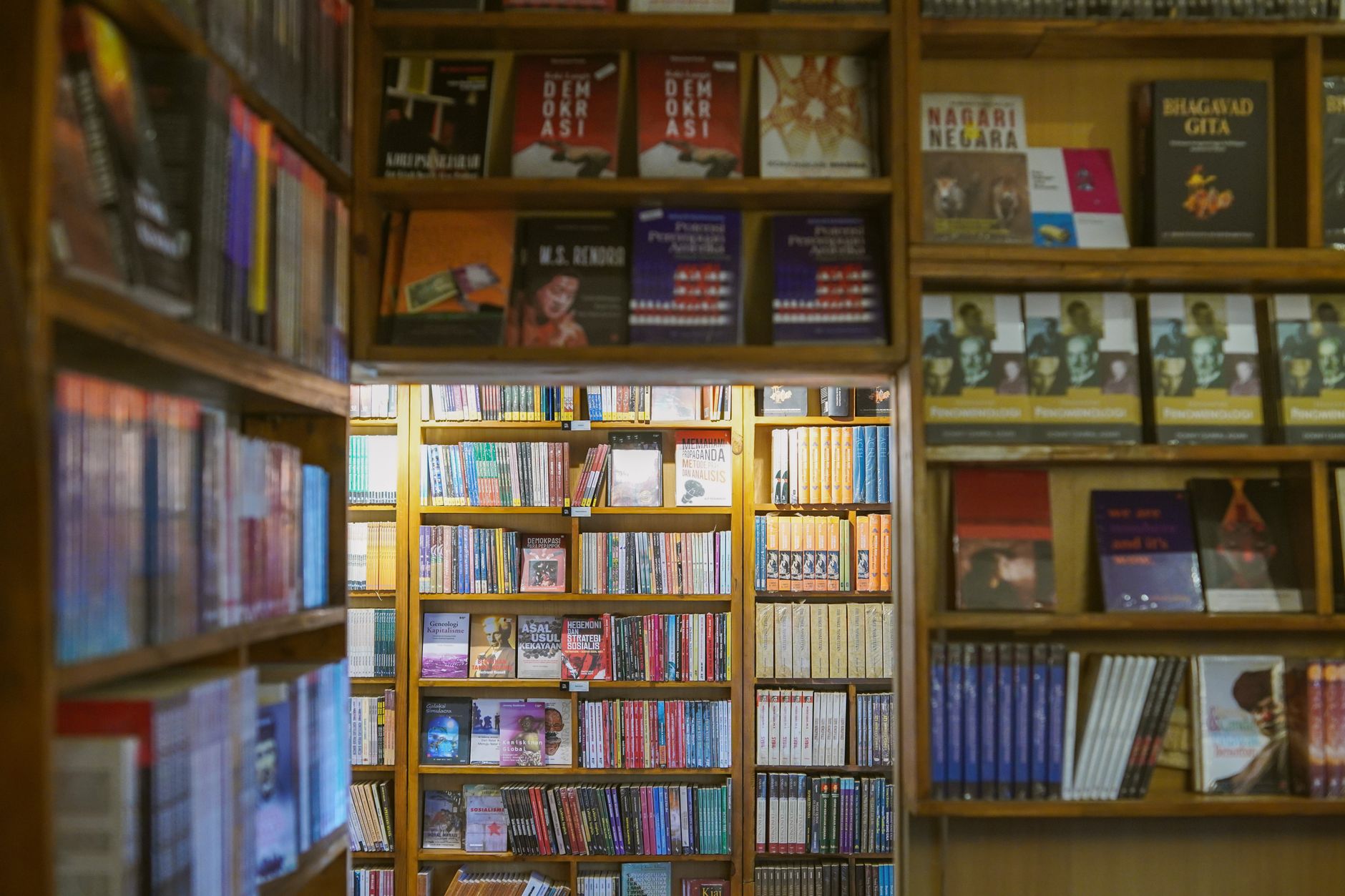
The practical consequence for British readers is straightforward: Rooney’s titles will no longer be available through standard retail or distribution channels in the UK. Whether readers can legally import copies for personal use sits in its own gray area, though the Terrorism Act’s financial provisions are aimed at publishers and distributors rather than individual buyers. The problem is structural – Faber cannot supply the books without potentially funding, through Rooney’s royalties, an organization the UK government has designated as terrorist.
The Classification That Started It
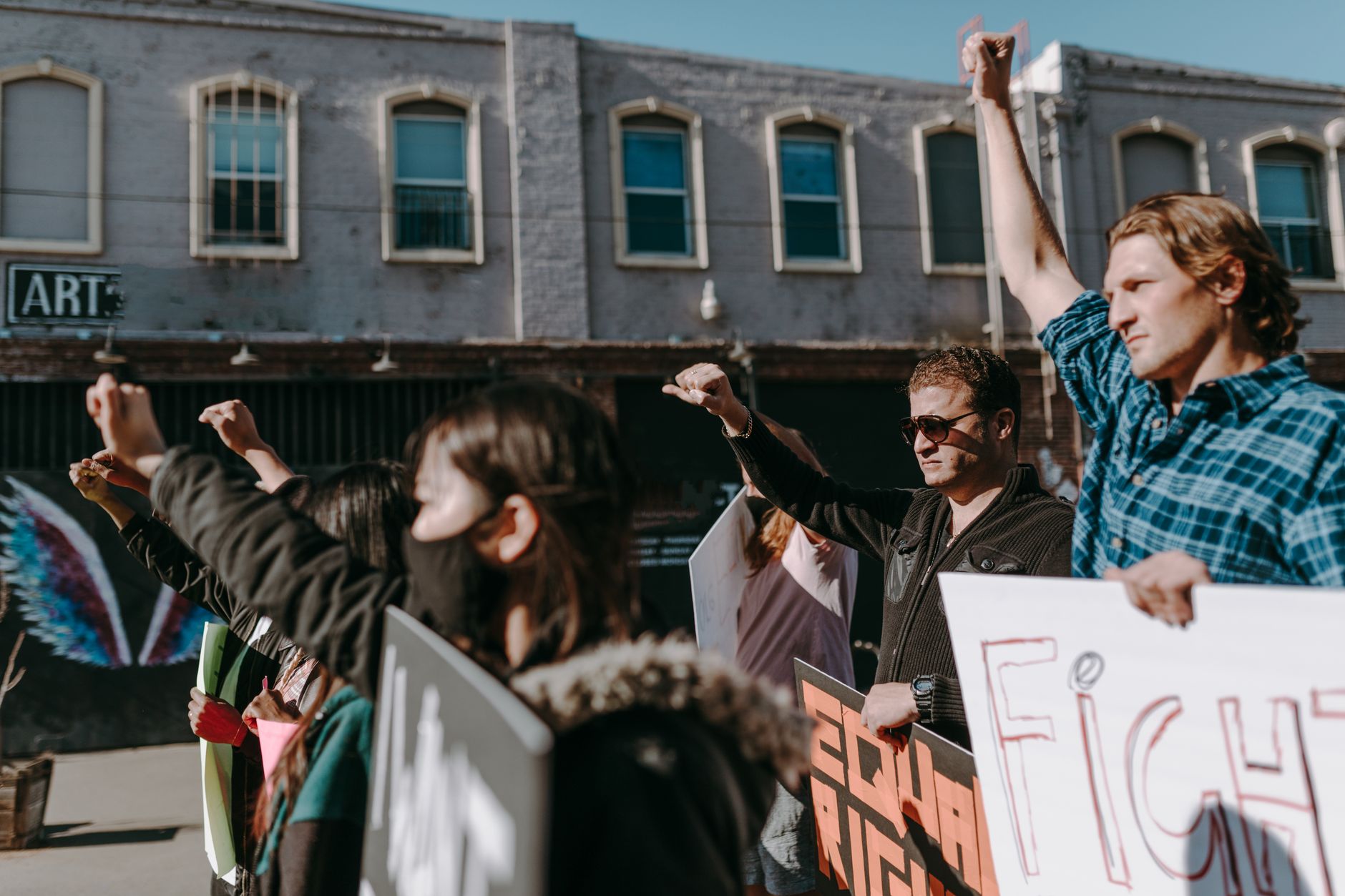
Palestine Action describes itself as a direct-action protest group targeting companies it accuses of supplying the Israeli military. Its activities in the UK included property damage at defense and manufacturing sites. The UK Home Office moved to proscribe it in 2025, a designation that carries immediate legal consequences for anyone in Britain who supports, funds, or promotes the group. That classification is contested – legally and politically – but it is currently in force.
Rooney’s position is not ambiguous. She told The Guardian she has made every effort to be honest about her beliefs and is “wholly prepared to accept the consequences.” She is not operating under any apparent illusion that her public statements would go unnoticed, or that British law would carve out an exception for literary conscience. The decision to withdraw her books is framed as a consequence she accepts, not a protest tactic.
What this situation exposes is how proscription law travels unevenly across borders. Rooney’s support for Palestine Action is legal in Ireland. Her books are legal in Ireland. The money that flows from UK sales to her, and potentially onward to Palestine Action, is what British law now treats as the problem. An Irish author writing in Dublin, paid by British readers, becomes a potential financier of terrorism under UK statute – a reading of events that captures precisely why the proscription of Palestine Action remains so disputed.
Where This Leaves Rooney and Her Readers
Rooney has navigated public controversy before – her refusal in 2021 to sell translation rights for Beautiful World, Where Are You to an Israeli publisher drew significant attention and positioned her clearly within debates over cultural boycotts. This situation is legally different and commercially larger. Refusing a single translation deal is a choice with limited financial fallout. Withdrawing from an entire national market that bought more than a million copies of one novel is another order of loss entirely.
For British readers who followed her work through Conversations with Friends, Normal People, and Intermezzo, the absence from shelves will be concrete. Independent bookshops that built displays around her releases, reading groups mid-series, students using her novels on courses – all of them now face a gap that streaming logic doesn’t solve. These are print books, distributed through physical and digital retail chains that Faber has withdrawn from.
Rooney’s statement closes without hedging. She accepted the outcome. Faber has not indicated whether it views this as temporary, contingent on any future legal challenge to Palestine Action’s proscription, or permanent for as long as the designation holds. The classification of Palestine Action is, by multiple accounts, still being legally challenged. What happens to Rooney’s UK publishing arrangement if that challenge succeeds is a question no one has answered yet – and it may be the one that matters most to Faber’s long-term position on all of this.