



When the Calendar Turns, So Does the Reading List
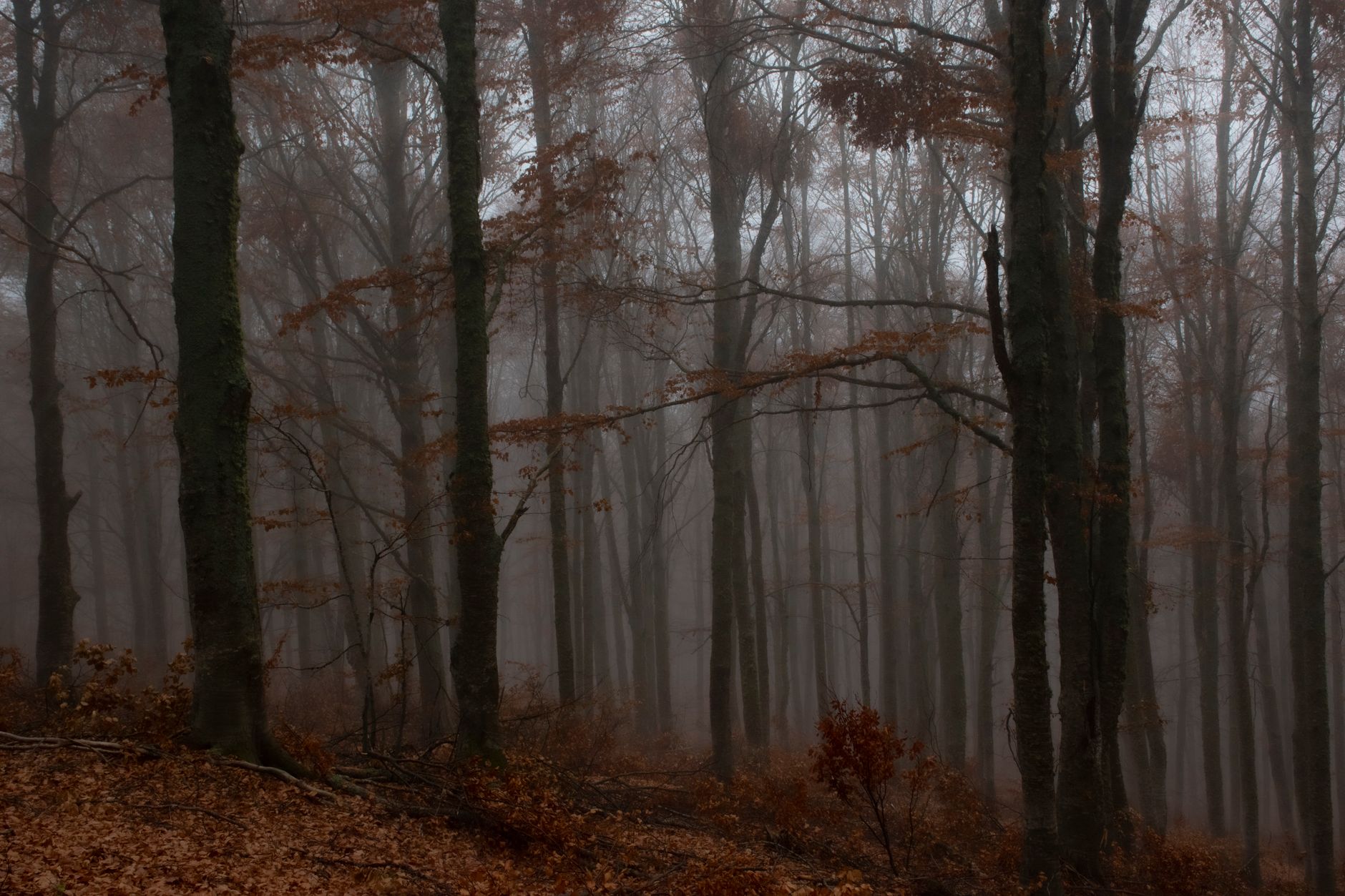
October has a specific pull on certain readers – not toward candy or costume shops, but toward fiction that sits uncomfortably close to the edge of what feels real. The written horror story operates differently than its film counterpart. Where a jump cut or a score manipulates you physically, prose works slower, planting images that the reader’s own imagination sharpens into something far more personal and far more unnerving. Electric Literature’s archives from Recommended Reading and The Commuter carry a particular range of Halloween-appropriate work – stories of dark woods, inherited family histories, and the slow return of things thought buried.
The four titles below move across that range: some lean into gothic atmosphere, others into psychological discomfort, and at least one builds its dread from nothing more threatening than a ringing phone and a decrepit barn. None of them announce their horror too early. That patience is exactly the point.
The Stories That Stay With You After the Lights Go Out
Brian Evenson’s “Good Night, Sleep Tight” opens on domestic comfort and slowly, without rushing, dismantles it. The narrator looks back on childhood bedtime rituals – the kind most people remember as safe, even sacred – and acknowledges that his mother occasionally broke the routine with something darker. A frightening story slipped in among the gentle ones. Now, as an adult planning a weekend visit to his childhood home with his wife and son, he begins to worry that whatever his mother passed on to him might pass to his child next. Evenson doesn’t traffic in obvious monsters. The unsettling element here is proximity – the horror that lives inside familiar relationships, inside the people trusted with your most vulnerable hours.
Mariana Enriquez, whose reputation in Latin American Gothic and horror fiction precedes nearly every story she publishes, contributes “The Dirty Kid.” What reads initially as a crime narrative reveals itself as something harder to categorize. The story’s setting earns its weight immediately: a childhood home deteriorating from age, situated in a Buenos Aires neighborhood once occupied by Argentinian aristocrats who abandoned their mansions during the yellow fever epidemic centuries ago. Those large, gargoyle-decorated houses now loom over a neighborhood of rotting properties, struggling businesses, and unhoused residents. The narrator refuses to leave her family home – until the homeless woman and child living outside her door disappear, and the explanations available to her stop making sense.
Laird Barron’s “Tiptoe” works with a premise horror fiction has long favored: the adult who returns, mentally or physically, to a childhood event and finds that the wholesome version of that memory doesn’t survive scrutiny. Barron’s narrator revisits a multifamily camping trip while searching for the source of a condition he’s experiencing, convinced his childhood left him unmarked. The horror in “Tiptoe” never positions itself around the campfire where you’d expect it. It moves through the woods instead, approaching with patience. Barron uses that space between comfort and revelation to expose something about human desire that the narrator – and possibly the reader – would rather not look at directly.
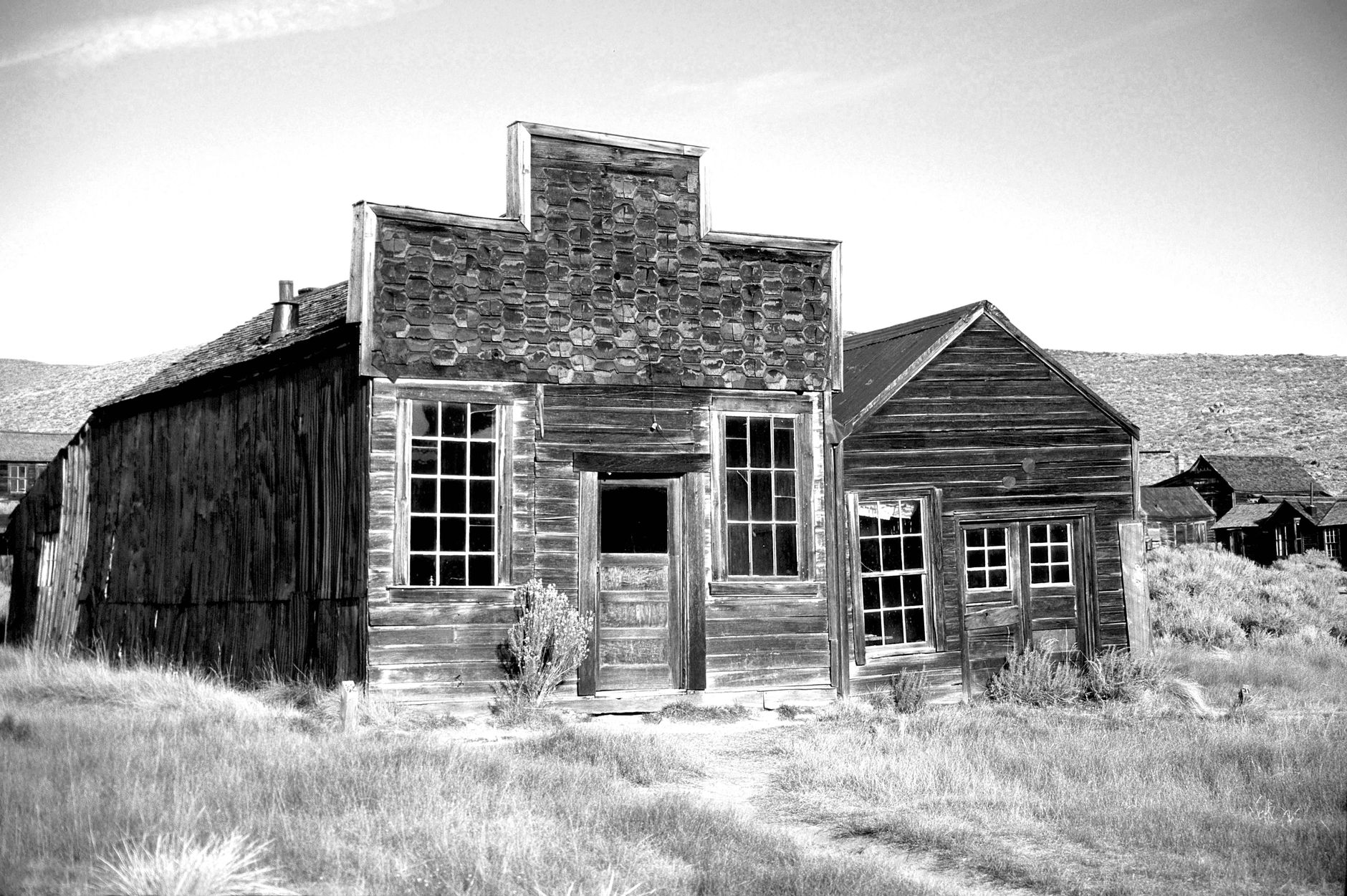
JG Lynas closes the list with “King of All Hogs,” which assembles its dread from components almost deliberately familiar: an isolated farmhouse occupied by an older couple, a decrepit barn, and a phone that will not stop ringing. The narrator and her boyfriend, Mark, travel to a small pig farm that Mark discovered through an online forum. The setup carries the specific unease of rural horror – the middle of nowhere, strangers encountered by choice rather than accident, the feeling that leaving might not be as simple as it first seemed. Lynas holds the formula tight enough that the story’s escalation, when it comes, lands without warning.
Why Written Horror Earns Its Place This Season
Each of these stories draws from a tradition that prizes restraint. The most effective dread in written fiction often comes not from what the prose describes but from the gap it leaves open – the detail withheld, the ending that doesn’t close cleanly, the character motivation that never fully resolves. Film can shock efficiently, but it’s harder for a director to plant an image inside the audience’s own imagination and let that imagination do the real damage. These four writers understand that gap and use it deliberately.
The Enriquez story is perhaps the sharpest example. By grounding supernatural suggestion in specific historical fact – the yellow fever epidemic, the abandoned aristocratic mansions, the architectural details of gargoyles and ornate stonework – she makes the neighborhood itself feel like a source of infection. The horror doesn’t descend from outside. It was already living in the walls.
Finding the Right Entry Point
For readers new to horror fiction, Evenson’s story offers the most accessible entry point – the stakes are recognizable, the setting is domestic, and the fear it generates comes from relationships rather than monsters. Enriquez and Barron require more patience and a willingness to sit with ambiguity; both stories resist tidy resolutions. “King of All Hogs” works as something closer to genre fiction and will satisfy readers who want the satisfaction of watching dread build toward an event rather than a feeling.
All four are available through Electric Literature’s Recommended Reading and The Commuter archives, alongside poetry and flash fiction in the same seasonal collection. The full list, which also includes work in verse, addresses what the curators describe as dark woods, family histories, and lovers long gone. Short fiction has always been efficient at Halloween horror – it asks for an hour, not an evening, and leaves the rest of the night open for the images to settle in on their own.
The ringing phone in Lynas’s farmhouse story is never fully explained. Whether that’s a flaw or the entire mechanism of the story’s horror is a question each reader will answer differently – and probably at a moment when they’d rather not be thinking about it at all.