




Tickets Cost Hundreds. The Bed Is Free.
Getting into the final shows of Harry Styles’ record-setting Madison Square Garden residency will drain your wallet – tickets are running into the hundreds of dollars on the secondary market, assuming you can find one at all. For fans traveling from out of state, or out of the country, the hotel bill on top of that math quickly turns a concert into a budget crisis. A small group of dedicated fans decided that part, at least, didn’t have to cost anything.
What emerged is an informal but functional hospitality network – fans offering spare rooms, pull-out couches, and air mattresses to other fans making the pilgrimage to New York for the residency’s closing dates. No app. No company behind it. Just a coalition of people who want other people to be in that room when the lights go down.

A Residency That Earned the Word “Record-Setting”
Styles’ run at Madison Square Garden is not a casual booking. The residency is record-setting by the venue’s own standards – a sustained occupation of one of the most storied concert halls in America, night after night, across an extended stretch that most artists never attempt. MSG has hosted everyone from Elvis to Elton John, and Styles is now in that conversation not just culturally but statistically.
The demand that comes with that kind of run does something specific to the economy around it. Resale prices inflate not just because the shows are good, but because the window to see them is closing. Final shows carry a weight that earlier dates don’t – the knowledge that this particular version of this particular tour is ending. Fans feel that, and the market prices it accordingly. What costs $80 in the first week of a residency can easily command three or four times that by the final weekend.
That pressure lands hardest on younger fans and those traveling from far away. A floor ticket, a flight, three nights in a Manhattan hotel – the total climbs fast. The hospitality network exists precisely because those costs, stacked together, would price people out entirely. Offering a free place to sleep doesn’t solve the ticket problem, but it removes one real barrier from the equation.
How the Network Actually Works
The structure is loose by design. Fans post in dedicated online communities – subreddits, fan Discord servers, Twitter threads organized around the residency – offering space in their apartments or homes to fellow attendees. The exchange is built entirely on fan-to-fan trust, the kind that forms in spaces where people have been talking to each other about the same artist for years. There are no background checks and no platform liability. What exists instead is a web of mutual recognition: this person has been here long enough, posted enough, that they are known.
It mirrors, in a stripped-down way, the early logic of home-sharing before it became an industry. The difference is that nothing is being monetized. The people opening their apartments aren’t doing it for income – they’re doing it because they want the experience to be possible for someone who otherwise couldn’t make it. That framing matters. It shapes the tone of the whole arrangement, which tends toward the generous rather than the transactional.

Style, Fandom, and the Particular Devotion Styles Attracts
Harry Styles occupies a specific position in contemporary music – an artist whose fanbase operates with the organizational discipline of a campaign field office. This is not a new observation, but the hospitality network is a concrete example of what that discipline looks like when it’s pointed at something practical rather than promotional. The energy that typically goes into streaming parties and chart campaigns is here redirected into logistics: who needs a place to stay, who has space, how do you connect them before the show date arrives.
Part of what drives this is Styles’ own relationship to his audience, which he has cultivated across years of touring as something closer to mutual care than performer-to-consumer transaction. His shows are known for an atmosphere of explicit acceptance – crowds where the mode of dress ranges from feather boas to custom suits to vintage band tees, where the vibe in the room is collectively managed. Fans internalize that, and the hospitality network is one place it surfaces outside the venue itself.
There is also something specific to the residency format that intensifies fan response. A multi-night run at a single venue creates a kind of gravity. People come back multiple nights. They meet each other in line. They recognize faces from the show the night before. A touring concert moves on; a residency builds a temporary community in place. The underground housing network is, in that sense, a logical extension of what the residency format produces anyway – just extended beyond the venue’s walls.
The fashion dimension is real, too. Styles shows are treated as occasions, which means attendees plan outfits with the same seriousness they bring to the ticket hunt. For fans flying in from other cities, coordinating what to wear across multiple nights – and packing all of it – is part of the preparation. Staying with another fan, in that context, means staying with someone who understands exactly why you brought three different looks for a three-night run and doesn’t find that remarkable at all.
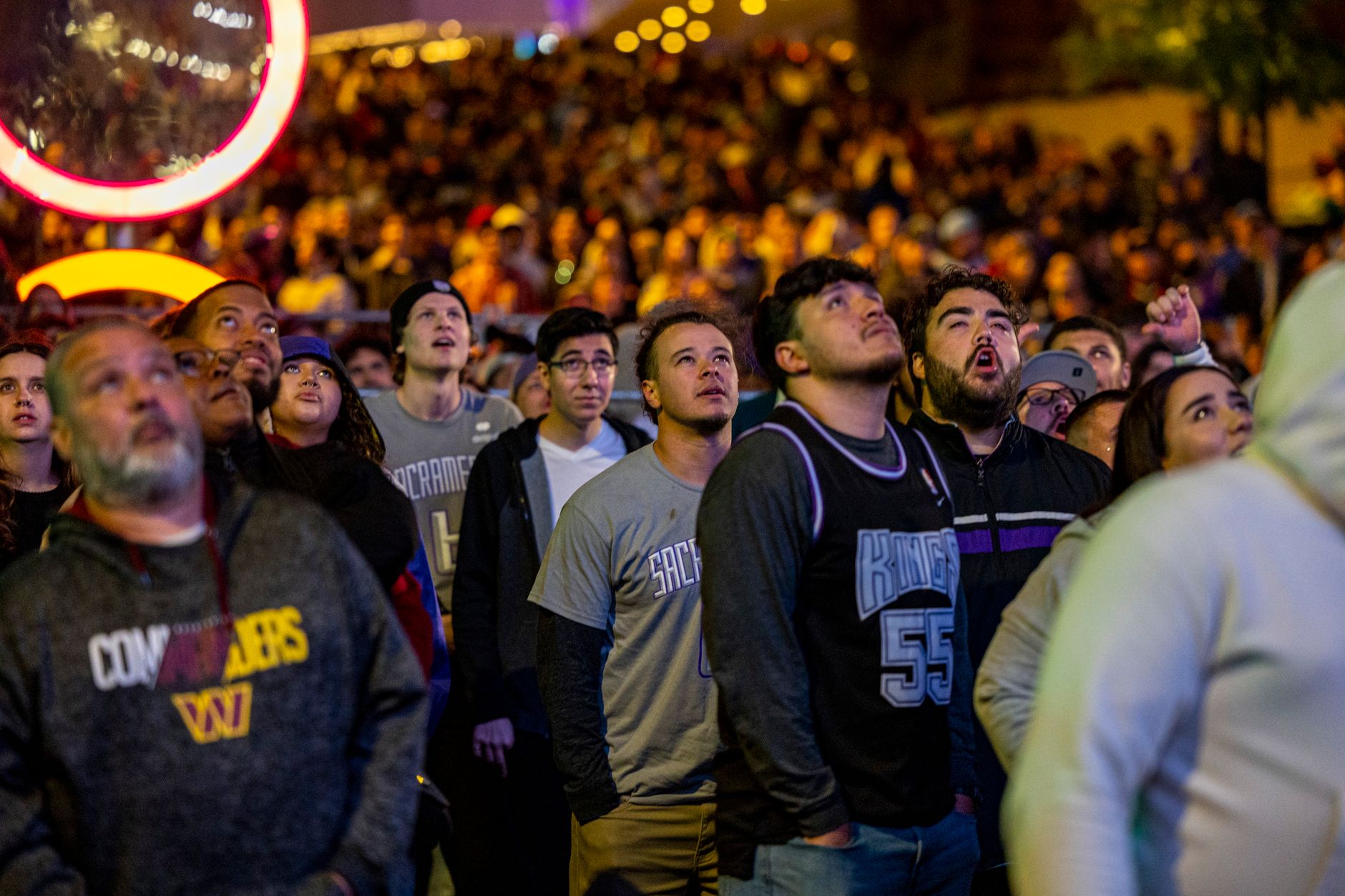
The final shows will happen. The network will have placed people in apartments and spare rooms across the boroughs. Some of those fans will meet in person for the first time minutes before walking into Madison Square Garden, having already shared a key, a bathroom, a kitchen table – and whether that feels strange or completely natural probably depends on how long you’ve been in the room where this particular kind of trust gets built.