





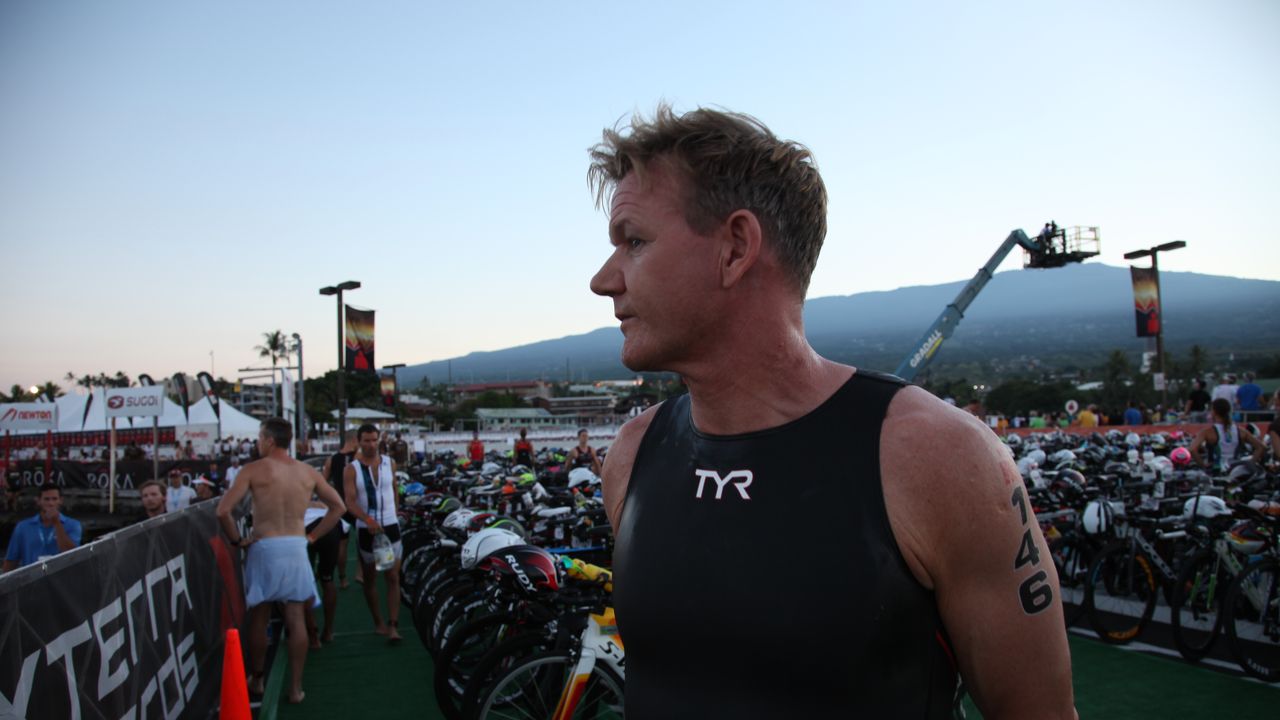
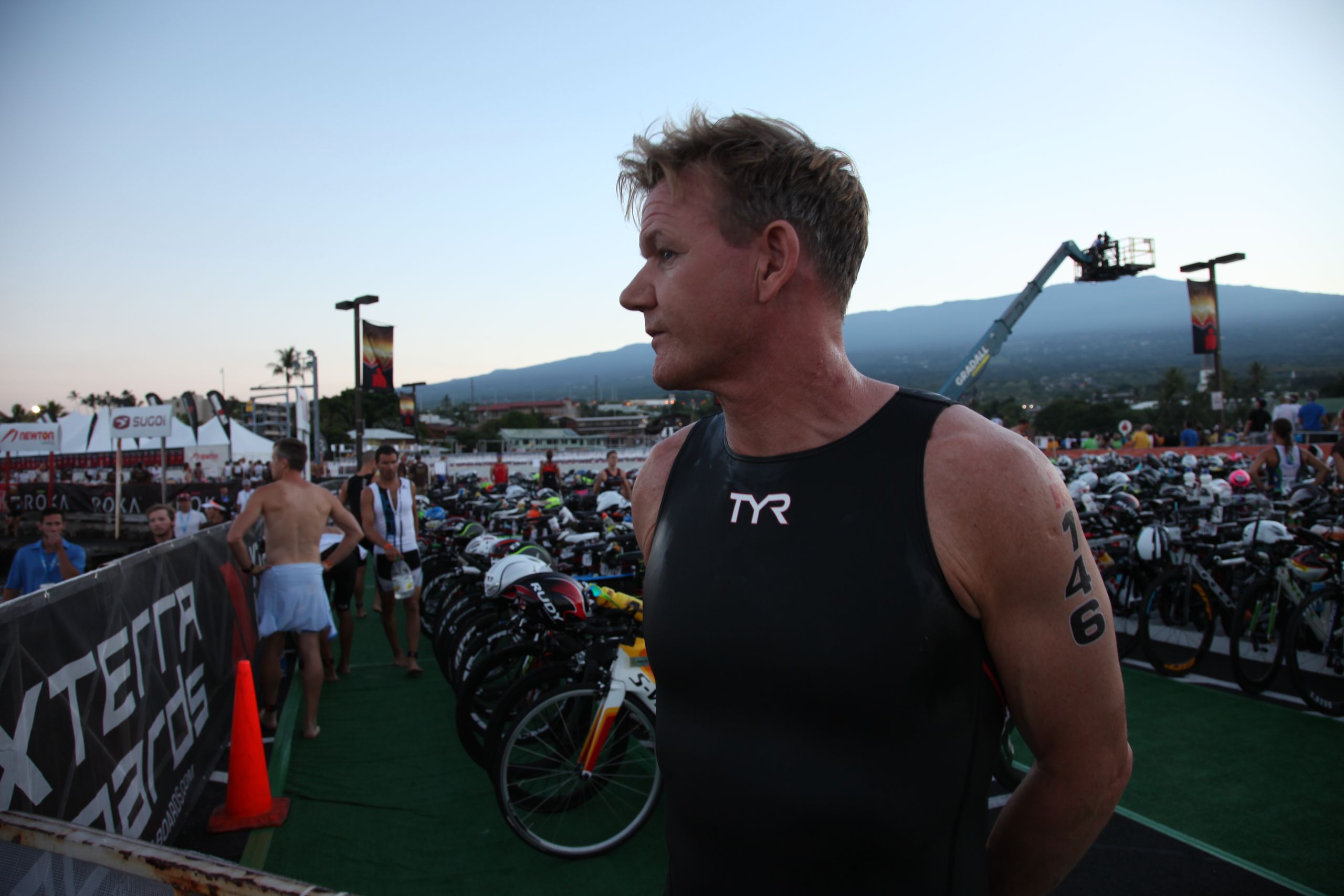
Gordon Ramsay is 60, and this month he posted a topless photo on his main account that sent the internet into one of its periodic fits. The reaction was not about a recipe or a restaurant. It was about a stomach, specifically one with a visible six-pack on a man who spent decades behind a stove.
The obvious question followed within hours: how?
Ramsay answered it for GQ, and the answer is less mysterious than the photo suggests. His routine includes crunches every day, a red-light sauna, and a daily protein gel. He also made clear that meditation, the usual accessory of the modern wellness stack, is not something he plans to take up.
A short list with one old-fashioned entry
Start with the crunches, because they are the least fashionable item and the one most likely to be doubted. Daily crunches belong to gym culture of a few decades ago, the kind of exercise now treated with mild suspicion by trainers who prefer planks, carries and loaded rotations. Ramsay does them every day anyway. The reported detail is the frequency, not a number of reps or a special technique, and that restraint is part of the appeal: nothing here needs a coach or a subscription.
It is worth being plain about what crunches can and cannot do. They train the muscles at the front of the abdomen, and that muscle growth gives a six-pack its shape. Whether the shape shows depends largely on how much body fat sits on top of it, and exercise cannot be aimed at one patch of the body to burn fat there. So a visible six-pack at any age comes from two things happening together: muscle underneath and a low enough layer above. The GQ piece, as summarized, points to the first half of that pairing. What Ramsay eats, and how it adds up, is the part a topless photo can’t show.
Then there is the protein gel. Protein gels are concentrated, squeezable packets of protein, closer in spirit to an energy gel than a shake. They suit someone whose days are unpredictable and who may not have time to sit down with a blender. Ramsay takes one daily, which turns what could have been a grand nutritional philosophy into a habit small enough to fit in a pocket. A chef who has spent a career around food is, apparently, comfortable getting part of his protein from a sachet.
Red light, and the case for skipping the quiet part
The red-light sauna is the entry that fits the headline-friendly image of a man at 60 who looks younger than the calendar says. Red-light therapy uses panels or enclosed spaces that emit red and near-infrared wavelengths, and it has become a fixture in boutique gyms and upscale home setups. Claims around it cover skin, soreness and recovery, and the evidence behind them is uneven, stronger in some areas than others. What matters for this story is narrower: it is part of Ramsay’s weekly furniture, not a miracle he’s selling. It sits beside the crunches and the gel as one more habit, and none of the three is presented as the secret.
Then comes the refusal. Meditation, he told GQ, is not for him. In a stretch when stillness has become a product category, with apps, retreats and breathing coaches all competing for the same ten minutes, a flat no from a famously high-intensity public figure lands as a small act of defiance. He is not offering an alternative philosophy of calm. He is simply declining the assignment.
That choice fits the routine’s character. Every element named in the piece is physical and concrete: something you do, drink, or sit inside. Nothing asks the practitioner to feel anything in particular. For readers who find mindfulness advice irritating, there is a certain relief in a six-pack story that leaves the inner life alone.
What a chef’s torso says about the wellness economy
Celebrity fitness stories tend to arrive with a product attached and a promise of transformation. This one has a protein gel and a sauna, which are both purchasable, yet the overall shape is modest. Crunches cost nothing. The gel costs little. The red-light sauna is the luxury, and even that is described as a part of the picture and not the engine of it.
It is also a story about age as a marketing frame. The number 60 does heavy lifting in the headline and in the reaction, because a visible abdomen on a man in his sixties reads as a violation of the expected script. Ramsay’s photo worked as a viral moment for that reason, more than for the muscles on their own. The routine he describes is deliberately unglamorous by comparison, and the gap between the dramatic image and the plain list is where most of the interest lives.
Style desks like to turn this sort of thing into a template, a “do what he does” guide. That would overreach. The facts on record are a handful of habits and one refusal, and they do not amount to a program. They do offer a useful corrective to the usual wellness sales pitch: a daily floor exercise, a protein source that travels well, a heat-and-light session, and permission to skip whatever else the internet says you need.
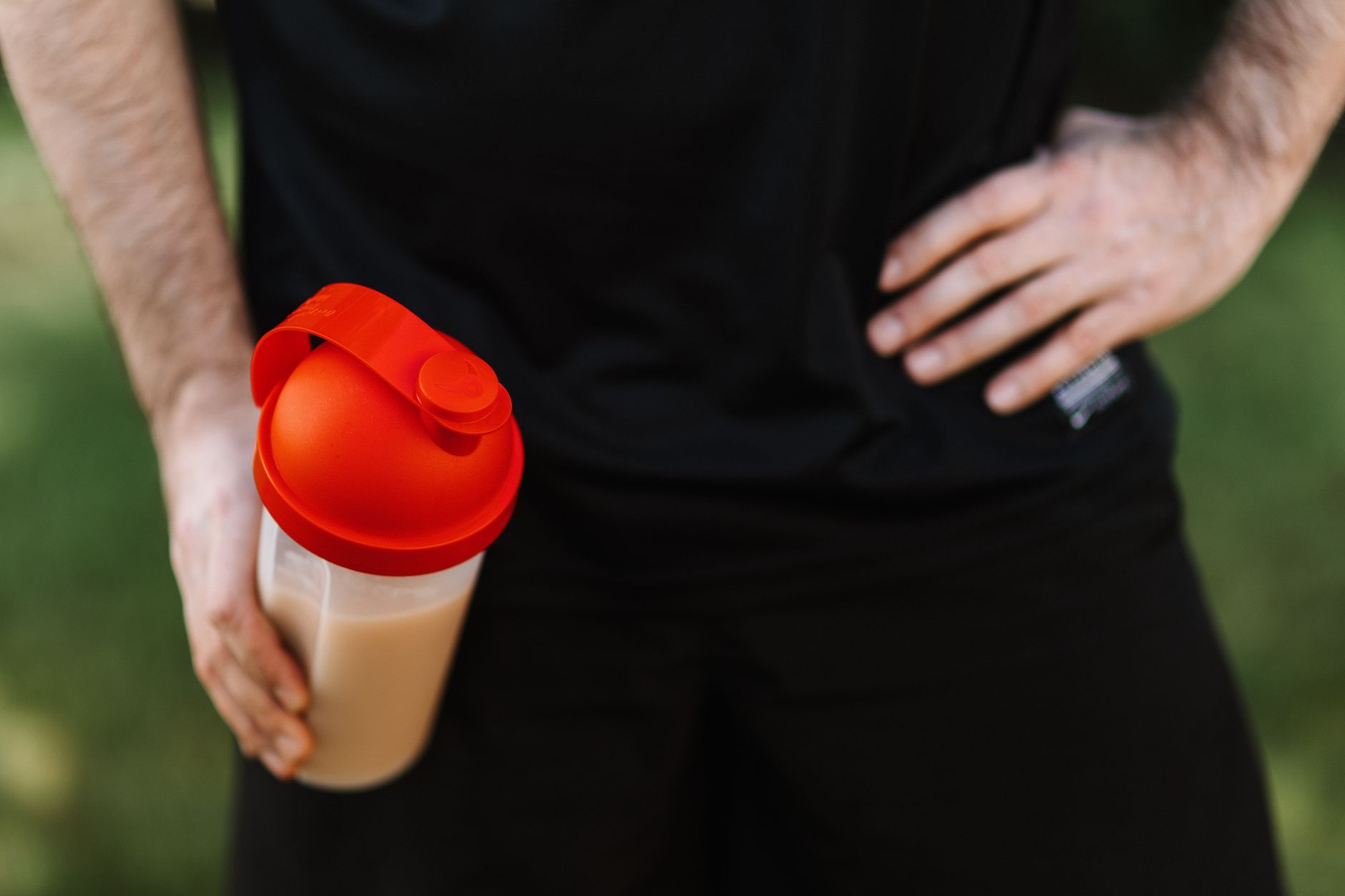
A protein gel, a glowing red sauna, a floor mat for daily crunches, and not a minute of meditation: if that is the whole list, why did it take a topless photo to make anyone ask?