





A Director Who Built a Career on Discomfort Has Notes for Gen Z
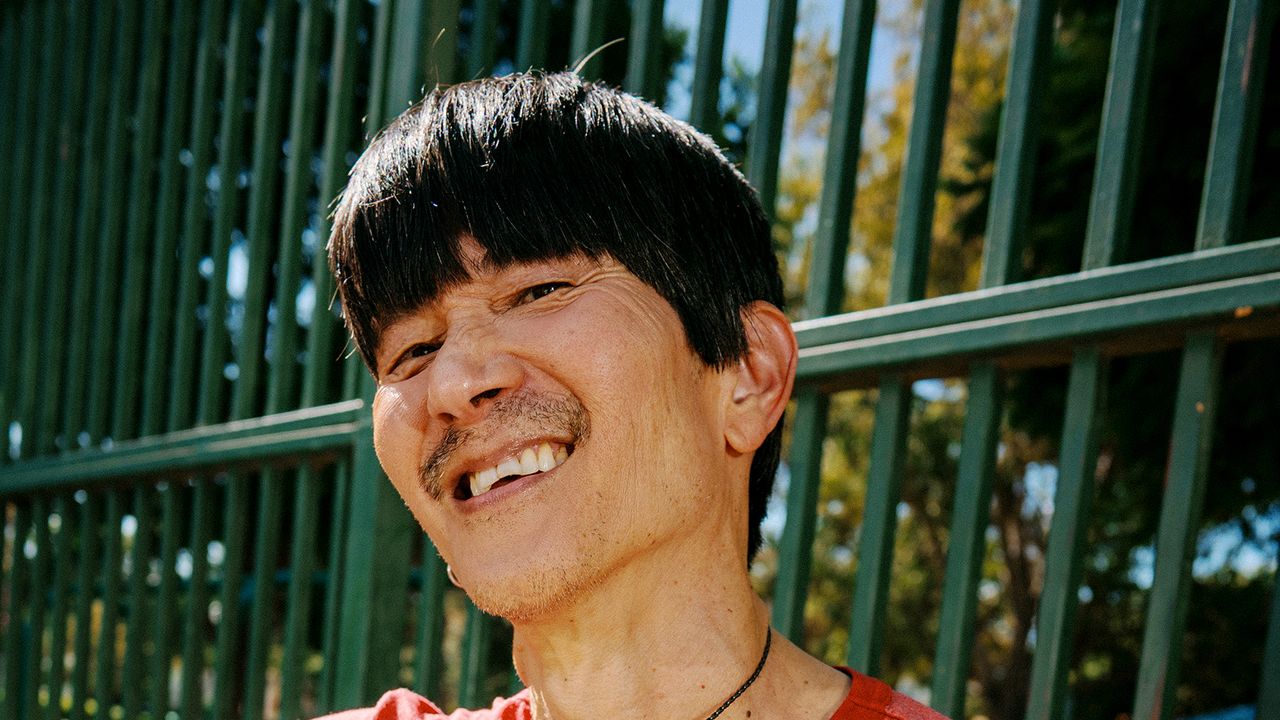
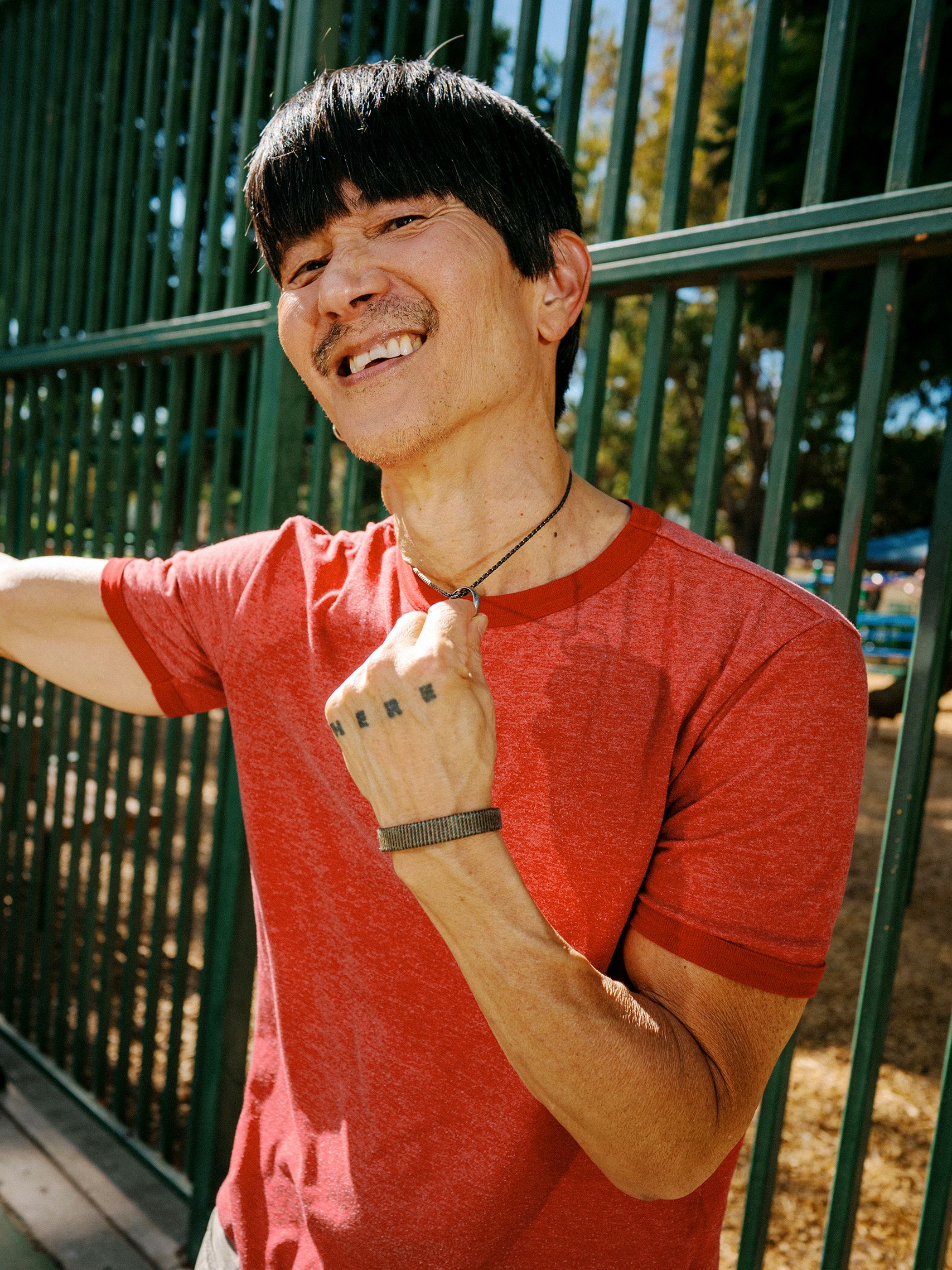
Gregg Araki has spent decades making films that treat desire as something jagged and disorienting rather than soft and resolved. His new film, I Want Your Sex, lands at a strange cultural moment – one where conversations about intimacy have multiplied across every platform while the actual practice of it, particularly among younger people, appears to be declining. Araki is not neutral on this contradiction.
In a recent interview with The New Yorker, Araki was direct about what he thinks young people are missing by avoiding the messier dimensions of romantic and sexual experience. His argument is not moralistic. It is almost pedagogical: getting your heart broken, he suggests, is not a failure state. It is the curriculum.
The Casting Logic Behind an Unlikely Pair
The decision to cast Charli XCX and Johnny Knoxville together in I Want Your Sex was not a stunt, at least not in the way such choices usually are. Charli XCX arrives at the project with a specific cultural gravity – she spent 2024 becoming the most discussed pop figure of the year on the back of her album Brat, a record that dealt openly with ambition, vanity, and the social cost of wanting things. That energy maps onto Araki’s filmmaking instincts in ways that feel less accidental than calibrated.
Knoxville is a different kind of presence. His career has largely been built on physical self-destruction performed for entertainment, which is its own form of transgression, though usually divorced from anything emotionally vulnerable. What Araki sees in him for this project remains part of the film’s open question – but the pairing itself signals that I Want Your Sex is not interested in a single register of experience. The film appears to want friction between sensibilities, not harmony.
Araki has always cast with a kind of deliberate strangeness. His earlier work – films like Nowhere, Doom Generation, and Mysterious Skin – pulled from spaces where mainstream Hollywood casting would never look, building ensembles that felt genuinely off-center. Bringing in two figures as culturally loaded as Charli XCX and Knoxville updates that approach without abandoning it. The instinct is the same: find people who carry something unresolved.
What He Actually Thinks About Gen Z and Sex
The broader cultural backdrop to I Want Your Sex is statistical and generational. Research has consistently shown that people in their twenties today are having less sex than the same age group did in previous decades. The reasons debated range from economic precarity to social anxiety to the displacement of physical intimacy by digital interaction. Araki doesn’t wade into the data, but he clearly has a position.
His view, expressed in the New Yorker interview, is that the avoidance of “weird, scary, confusing experiences” comes at a real cost. The framing is notable – he’s not advocating for recklessness. He’s making a case for the developmental value of experiences that don’t resolve cleanly, that leave a mark, that require some processing after the fact. A broken heart, in his telling, is evidence of having engaged with something real.
The Film as Extension of a Long Argument
Araki has been making variations on this argument since the early 1990s. His films from that period – sometimes grouped under the label “The Teen Apocalypse Trilogy” – approached youth, sex, and violence with a stylized intensity that felt alien to mainstream American cinema at the time. They were not instructional. They did not offer resolutions. They sat inside confusion and stayed there, which was the point.
I Want Your Sex comes after a longer gap in his feature output, which makes the timing worth noting. Araki returning with a film whose title makes its subject explicit, in a moment when that subject has become oddly fraught for younger audiences, is not incidental. He is not an accidental provocateur. The film’s existence is itself a kind of statement about what he thinks cinema should be willing to say out loud.
The title also borrows – presumably intentionally – from George Michael’s 1987 single of the same name, a song that was banned by several radio stations at the time of its release for being too direct. Michael’s song was partly a response to the abstinence messaging that dominated that decade’s cultural response to the AIDS crisis. Whether Araki is drawing a parallel to a new kind of cultural avoidance around sex is worth asking. Pop music has always carried these arguments when other forms flinched.
What the film is actually like – its plot, its tone, its specific provocations – has not been fully detailed in early coverage. What has emerged is the outline of Araki’s thinking: that intimacy is educational in a way nothing else replicates, that discomfort is not a design flaw in romantic experience, and that a generation raised on curated self-presentation may be losing access to something that cannot be simulated or optimized.

On Being a Director Who Still Believes in Mess
There is a particular kind of filmmaker who treats the audience as capable of handling unresolved feeling – who doesn’t feel obligated to walk viewers out the door with something neat. Araki has always been that kind of filmmaker, and he has paid for it at various points in his career with limited distribution, mixed critical reception, and the specific difficulty of financing films that don’t promise comfort.
His persistence on these themes across three decades means something. It is not the persistence of someone who hasn’t noticed the audience or the market. It is the persistence of someone who has noticed and decided the argument is worth continuing anyway. I Want Your Sex, with its loaded title and its unlikely cast, suggests he’s not recalibrating his position to meet the moment. He’s waiting for the moment to catch up with him.
Whether Charli XCX’s presence – and the audience she carries – brings new viewers to the kind of filmmaking Araki has always done is a practical question with real stakes. Her involvement is not purely symbolic. It is a distribution argument as much as a casting one. A filmmaker who has spent his career operating at the margins now has a cast member who spent the past year virtually inescapable.
What Knoxville brings is stranger and harder to predict. He is 53, has publicly discussed the cumulative physical damage from his career, and occupies an odd place in American entertainment – beloved, absurd, and genuinely difficult to place in a serious dramatic context. That difficulty might be exactly what Araki is after.