





Your sleep tracker knows you’re getting sick three days before you feel symptoms. It detected your partner’s pregnancy before the home test showed positive. Last week, it flagged a user’s irregular heartbeat that doctors confirmed was early-stage atrial fibrillation.
These aren’t marketing claims or future promises. These are documented cases from the latest generation of AI-powered sleep trackers that have moved far beyond counting REM cycles. Companies like Oura, Whoop, and newer players are using machine learning algorithms trained on millions of nights of biometric data to spot health patterns that even experienced physicians might miss.
The technology represents a dramatic shift from simple step counters to sophisticated health monitoring systems that analyze heart rate variability, body temperature fluctuations, blood oxygen levels, and respiratory patterns while you sleep. What makes these devices particularly powerful is their ability to establish your personal baseline over weeks and months, then flag even subtle deviations that could signal underlying health changes.
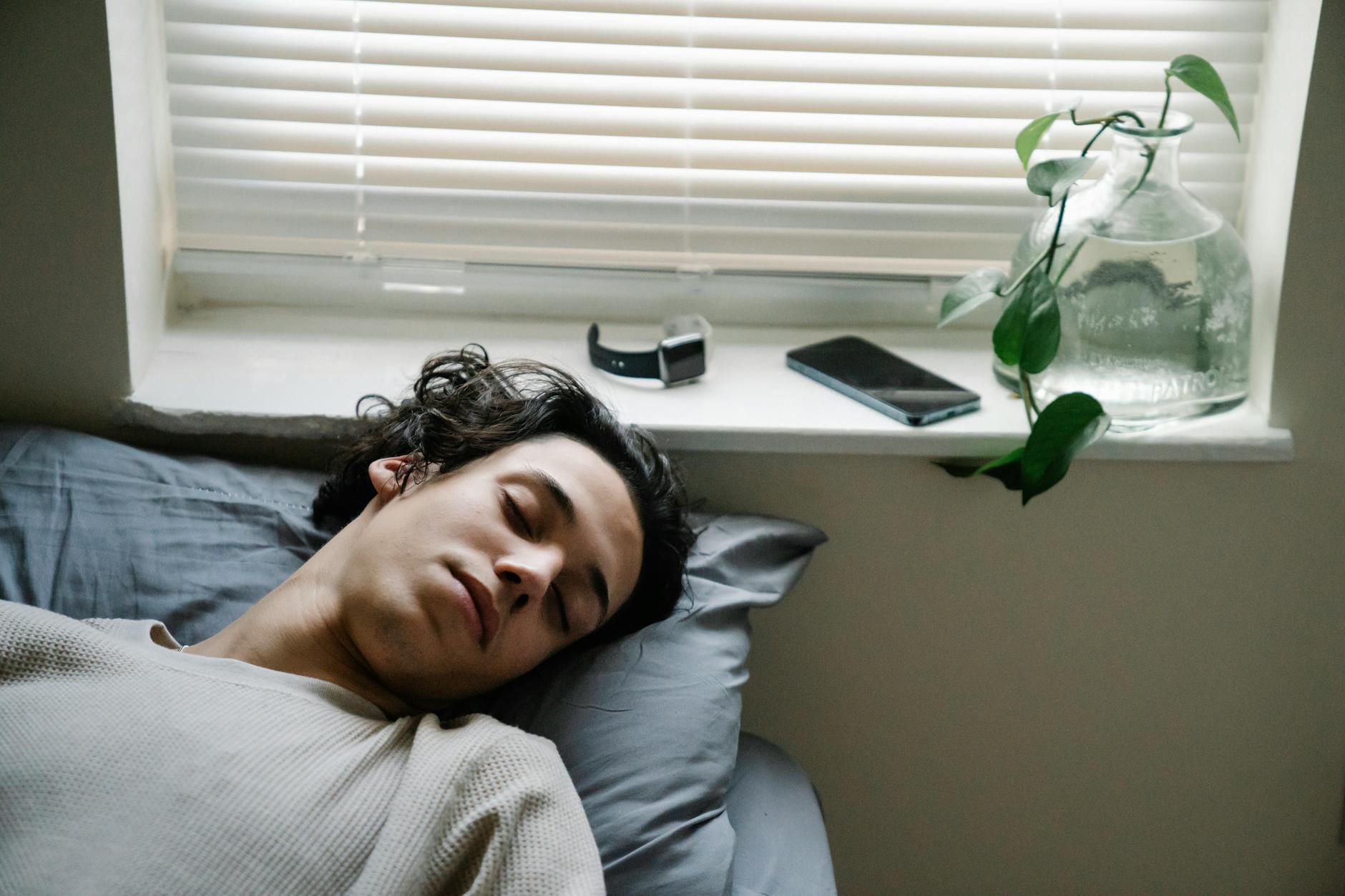
Beyond Sleep Scores: The New Biometric Intelligence
Modern sleep trackers have evolved into comprehensive health monitoring platforms that work around the clock. The Oura Ring’s third-generation sensors collect over 250,000 data points per day, tracking everything from skin temperature variations measured to the hundredth of a degree to microscopic changes in heart rhythm patterns.
Whoop’s latest algorithms can detect illness onset by analyzing shifts in heart rate variability and respiratory rate patterns during deep sleep phases. The company’s data scientists have identified specific biomarker combinations that appear 48-72 hours before users report feeling unwell. This early warning system has proven particularly valuable during flu season and recent COVID-19 waves.
The Apple Watch Series 9’s sleep tracking capabilities now include blood oxygen monitoring that can detect sleep apnea episodes with accuracy rates reportedly matching clinical sleep studies. Users receive detailed reports showing oxygen saturation dips throughout the night, complete with recommendations for medical follow-up when patterns suggest potential breathing disorders.
What sets these devices apart from earlier fitness trackers is their ability to correlate multiple data streams. Instead of treating heart rate, temperature, and movement as separate metrics, AI algorithms identify complex relationships between these variables that reveal deeper health insights.
The Pregnancy Detection Phenomenon
Perhaps the most surprising capability emerging from advanced sleep trackers is their ability to detect pregnancy weeks before traditional tests. Women using Oura rings have reported receiving notifications about sustained body temperature elevations and heart rate changes that preceded positive pregnancy tests by 10-14 days.
The phenomenon isn’t coincidental. During early pregnancy, basal body temperature typically rises and remains elevated due to increased progesterone production. Resting heart rate also increases as the body begins supporting fetal development. Sleep trackers monitoring these metrics continuously can detect these patterns before hormone levels reach thresholds detectable by home pregnancy tests.
Fertility tracking has become a major focus for wearable manufacturers. Natural Cycles, a contraception app, has partnered with Oura to provide FDA-cleared birth control through temperature monitoring. The combination of AI pattern recognition and continuous biometric monitoring offers precision that traditional fertility awareness methods cannot match.
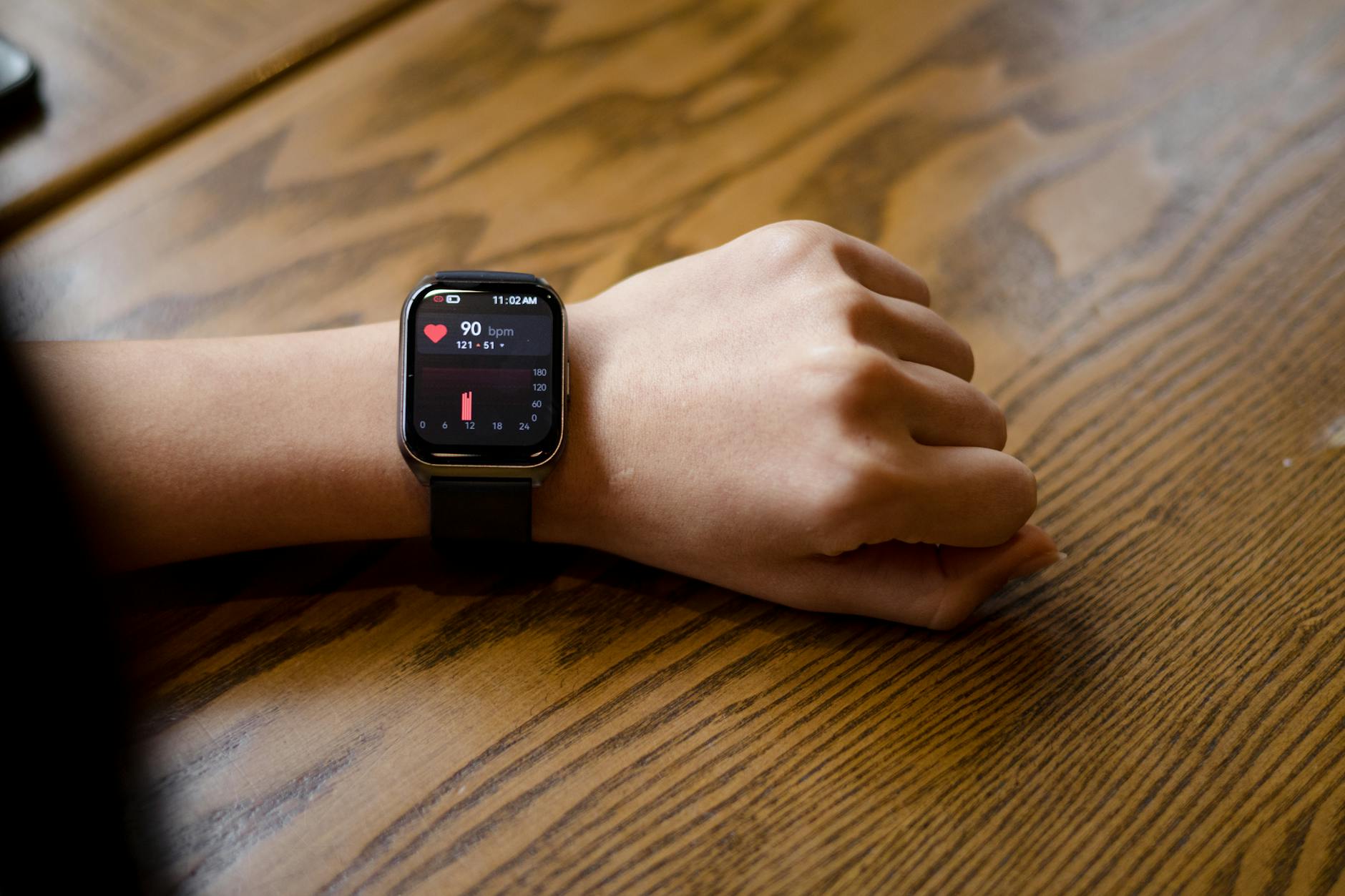
Some users report their devices detecting ovulation timing with such accuracy that they’ve successfully planned pregnancies down to specific cycles. Others have received early warnings about potential fertility issues through irregular temperature or hormone-related sleep pattern changes.
Chronic Disease Management Through Sleep Data
Sleep trackers are proving particularly valuable for managing chronic conditions like diabetes, heart disease, and autoimmune disorders. Users with Type 2 diabetes report that their devices can predict blood sugar spikes by analyzing sleep quality metrics and heart rate variability patterns from the previous night.
The connection between sleep and glucose regulation is well-established in medical literature, but AI-powered trackers are making these relationships visible to individuals in real-time. Poor sleep quality often precedes insulin resistance spikes, and devices can now alert users to take preventive measures like adjusting medication timing or dietary choices.
Cardiovascular health monitoring has reached clinical-grade accuracy in consumer devices. The Apple Watch’s ECG feature has documented thousands of cases where users discovered atrial fibrillation, heart rate irregularities, and other conditions during routine sleep tracking. Emergency room physicians report increasing numbers of patients arriving with detailed heart rhythm data from their wearables.
Mental health applications are emerging as another frontier. Researchers have identified sleep pattern signatures associated with depression onset, anxiety disorders, and bipolar episodes. While not diagnostic tools, these devices can provide early warning systems for individuals and their healthcare providers.
Privacy Concerns and Medical Integration
The accuracy of health predictions raises significant privacy questions about personal biometric data. Sleep trackers collect intimate details about users’ bodies and health status, creating detailed profiles that extend far beyond fitness metrics. This data has enormous value for insurance companies, employers, and medical researchers.
Major manufacturers have implemented strict data protection policies, but concerns persist about potential misuse. The ability to detect pregnancy, illness, and chronic conditions through sleep data could impact insurance coverage, employment decisions, and personal relationships if this information falls into the wrong hands.
Medical professionals are gradually embracing wearable data as legitimate health indicators. Some cardiologists now request heart rate variability data from patients’ devices during consultations. Sleep medicine specialists use continuous monitoring data to supplement traditional sleep studies, particularly for patients with intermittent conditions that might not appear during single-night clinical testing.
The integration between consumer devices and electronic health records remains limited, but pilot programs are emerging. Some healthcare systems are exploring ways to incorporate continuous monitoring data into patient care plans, potentially revolutionizing preventive medicine approaches.
The Future of Predictive Health Monitoring
Looking ahead, sleep tracking technology continues advancing toward even more sophisticated health predictions. Researchers are developing algorithms that can detect early-stage cancers through subtle changes in sleep architecture and circadian rhythm disruptions. Other studies focus on predicting cognitive decline and neurodegenerative diseases through sleep pattern analysis.
The technology’s accuracy will likely improve as AI models train on larger datasets spanning diverse populations and health conditions. Current algorithms work best for healthy adults in developed countries, but expansion to pediatric, elderly, and medically complex populations could unlock new applications.
Similar to how smart home hubs are becoming more accessible to mainstream users, sleep tracking technology is evolving from niche fitness gadgets to essential health monitoring tools that could fundamentally change how we approach preventive medicine.
The question isn’t whether these devices will become more accurate at predicting health issues, but rather how society will adapt to having such detailed biological insights available through consumer technology. As sleep trackers continue getting scary accurate about health, they’re transforming from simple gadgets into powerful early warning systems that could reshape the entire healthcare landscape.
Frequently Asked Questions
How accurate are AI sleep trackers at detecting health issues?
Modern devices can detect pregnancy 10-14 days before home tests and illness 2-3 days before symptoms appear with high accuracy rates.
Do sleep trackers really detect pregnancy before tests?
Yes, by monitoring sustained body temperature elevations and heart rate changes that occur during early pregnancy before hormone levels are detectable.