





The crackling, rattling sound that drops to the bottom of human vocal range has been pinned on young women for decades. From Britney Spears’ signature delivery in “Hit Me Baby (One More Time)” to countless think pieces about millennial speech patterns, vocal fry carries the cultural baggage of female stereotypes.
But McGill University graduate student Jeanne Brown just shattered that assumption with hard data. Her experimental research, presented at this week’s Acoustical Society of America meeting in Philadelphia, reveals men actually use vocal fry more frequently than women. The gap between perception and reality exposes how cultural bias shapes what we hear.

The Mechanics Behind the Sound
Vocal fry operates at the basement level of human speech production. When vocal cords slacken and lose their regular vibration pattern, air escapes in irregular spurts, creating that distinctive creaky texture. The phenomenon generates fundamental frequencies around 70 Hz, hovering just above the 20 Hz threshold where human hearing begins to fade.
This places vocal fry at the bottom tier of the four recognized vocal registers. Above it sits the modal register for normal conversation, falsetto for higher pitches, and the whistle register at the extreme upper end. The crackling occurs because the relaxed vocal cords can’t maintain the steady airflow needed for smooth sound production.
Perception Versus Reality
Brown’s findings expose a fundamental disconnect between acoustic reality and social interpretation. While her measurements show men deploy vocal fry more often, listeners consistently associate the speech pattern with women. This perceptual gap suggests cultural conditioning overrides actual auditory evidence.
The stereotype gained particular traction in discussions about professional women’s speech patterns. Critics have long argued that vocal fry undermines authority and credibility in workplace settings. Some communication coaches even built entire practices around eliminating the sound from female executives’ speech repertoires.
The association with young women likely stems from high-profile examples in entertainment and media. Spears’ 1998 hit provided an early template that became widely recognized and imitated. Reality television, social media personalities, and pop culture figures reinforced the connection through repeated exposure.
But Brown’s research suggests these visible examples created a confirmation bias. Listeners began noticing vocal fry primarily when women used it, while filtering out the same patterns in male speech. The phenomenon demonstrates how gender expectations shape auditory processing in ways that contradict objective measurements.
Technical Detection Methods
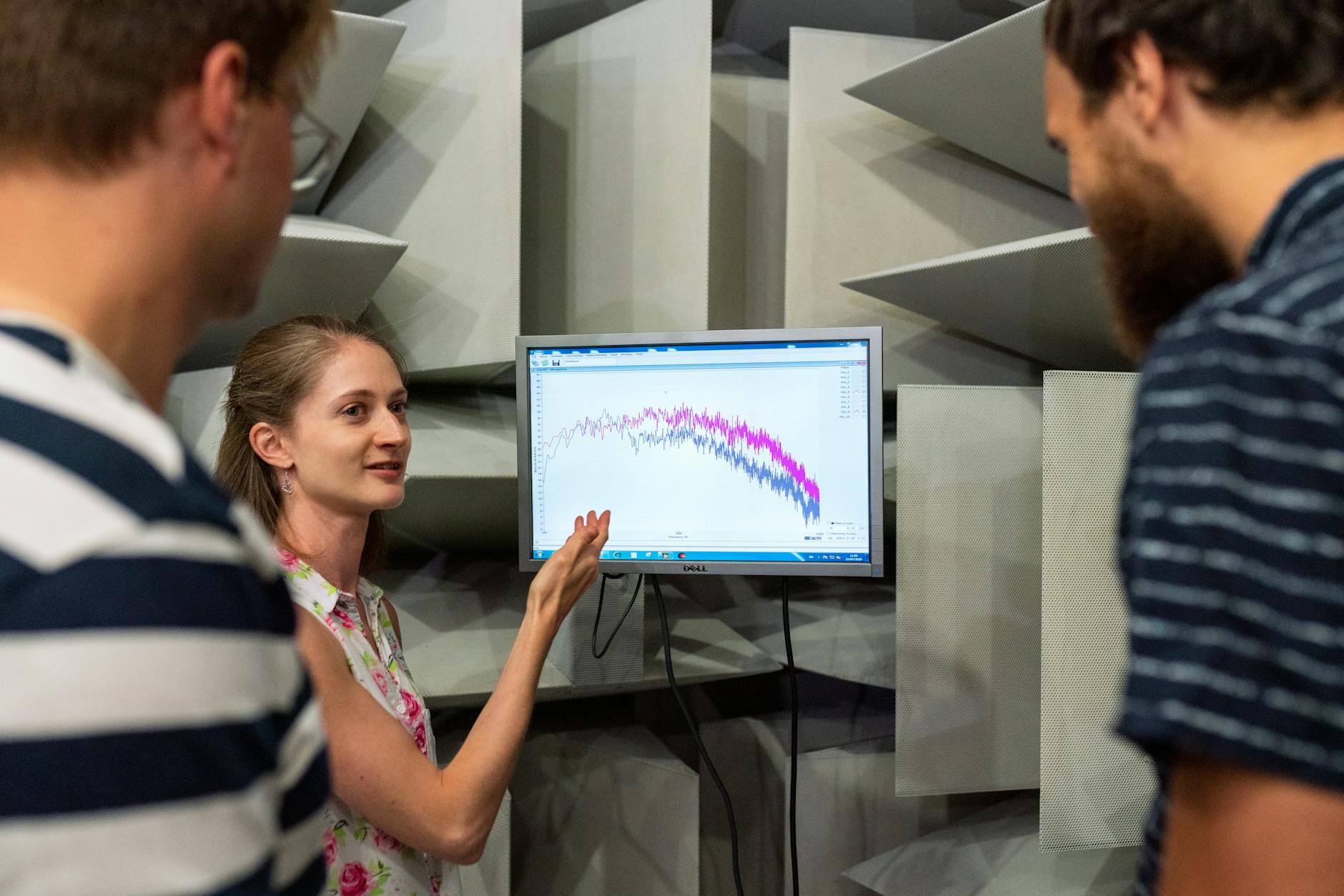
Brown’s study relied on acoustic analysis software to identify vocal fry instances across speech samples. The technology measures fundamental frequency patterns and identifies the irregular vibrations characteristic of creaky voice production. This approach removes subjective interpretation from the detection process.
The 70 Hz frequency signature provides a clear marker for researchers. Standard speech analysis tools can isolate these low-frequency events and count their occurrence across different speakers and demographic groups. The method offers precision that human ears often miss, especially when cultural expectations influence what listeners think they’re hearing.
Implications for Voice Research
The findings raise questions about other assumed connections between speech patterns and gender. If vocal fry stereotypes proved inaccurate under scientific scrutiny, similar biases might distort understanding of uptalk, filler words, and other linguistic phenomena. Brown’s work suggests systematic analysis could overturn multiple assumptions about gendered speech.
Professional voice training programs may need to reconsider their emphasis on eliminating vocal fry from women’s speech. If men use the pattern more frequently without facing similar criticism, the focus on female speakers appears culturally motivated rather than acoustically justified.

The research also highlights the gap between linguistic reality and public perception in digital communication. As voice technology becomes more sophisticated, understanding actual usage patterns rather than stereotypical assumptions will matter more for developing natural-sounding AI systems. Will Brown’s data change how society hears vocal fry, or will cultural bias continue to override acoustic evidence?