




The runway lights dim as the last model exits, but the show continues on millions of phone screens. Fashion Week has quietly transformed from an exclusive industry event into a digital-first experience, with designers ditching traditional catwalks for Instagram Live streams, TikTok reveals, and virtual presentations that reach more viewers than any physical venue could hold.
This shift accelerated during the pandemic but has now become permanent strategy. Major fashion houses report Instagram Live shows generate 10 times more engagement than runway footage posted later. The immediacy creates urgency, the intimacy builds connection, and the accessibility opens fashion’s traditionally closed doors to global audiences who were never invited to the front row.
The Economics of Going Digital
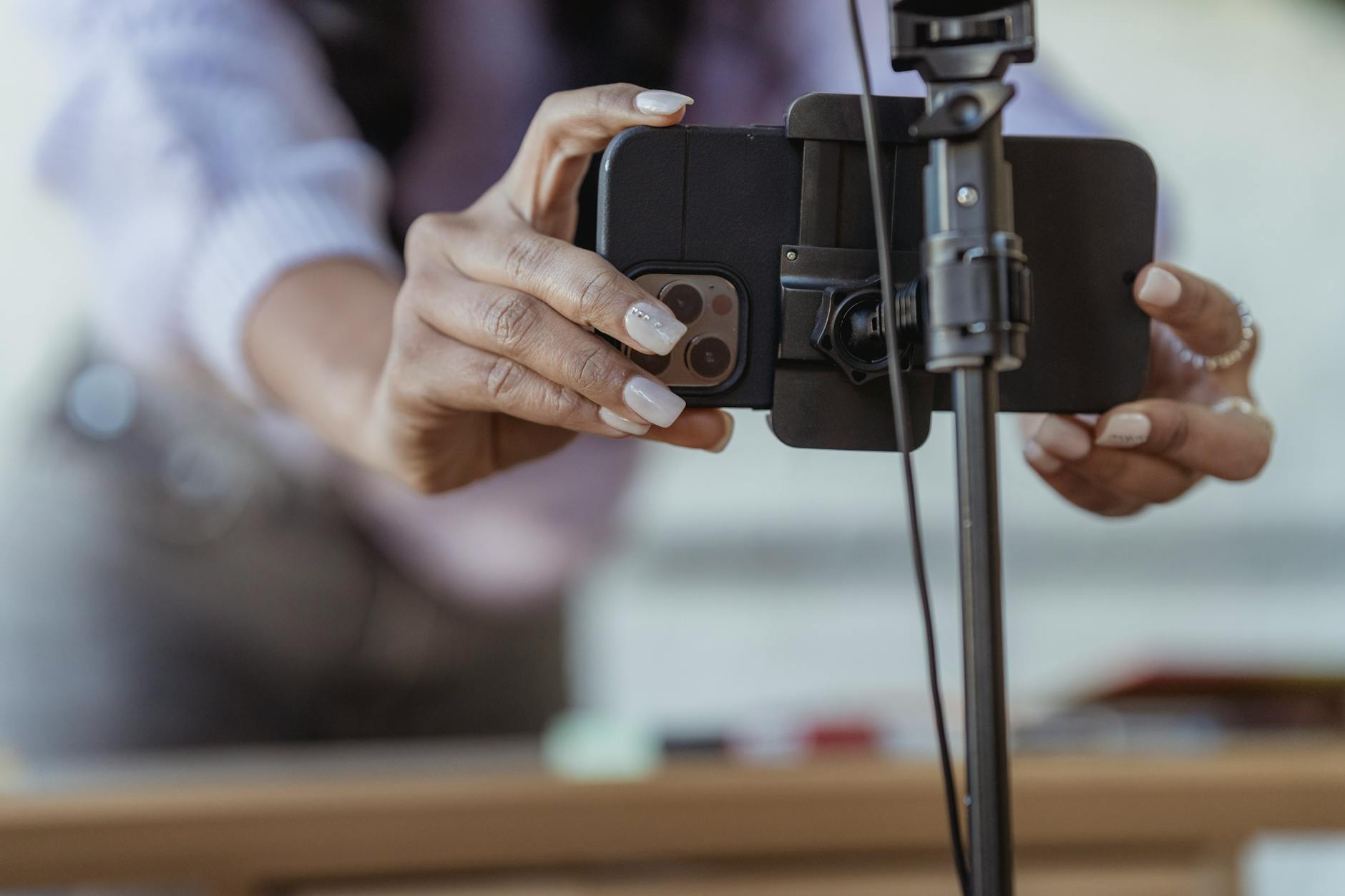
Traditional Fashion Week presentations cost designers between $100,000 to $500,000 per show. Venue rental, model fees, production crew, catering for industry guests, and international travel for buyers create massive overhead. Instagram Live requires a phone, good lighting, and creative direction.
Gabriela Hearst livestreamed her latest collection reveal from her New York studio, spending less than $10,000 on production while reaching 2.3 million viewers across Instagram and TikTok. Her team used three camera angles, professional lighting, and models walking through the actual design workspace where the clothes were created.
The return on investment speaks volumes. Hearst’s direct-to-consumer sales increased 340% during the week following her digital presentation, compared to 80% increases after traditional runway shows. Viewers could immediately shop pieces through Instagram’s integrated commerce features, eliminating the typical six-month delay between runway and retail.
Smaller designers benefit even more dramatically. Independent labels that could never afford Fashion Week participation now command global attention. Sarah Staudinger of Staud built her brand entirely through Instagram reveals, never staging a traditional runway show. Her quarterly Instagram Live presentations consistently draw over 500,000 viewers and generate immediate sales spikes.
How the Format Actually Works
Digital fashion presentations follow emerging formulas that maximize engagement while maintaining creative integrity. Most successful shows blend behind-the-scenes content with polished reveals, giving viewers insider access to the design process.
Typical format includes designer introduction, collection inspiration story, piece-by-piece reveals with styling notes, and real-time audience interaction through comments and polls. Many designers now collaborate with influencers who co-host shows, bringing their own audiences while adding conversational energy.
Technical execution has become increasingly sophisticated. Multi-camera setups switch between wide shots, detail close-ups, and designer commentary. Professional lighting rigs ensure fabric textures and colors translate accurately through phone screens. Some presentations incorporate augmented reality filters allowing viewers to virtually “try on” accessories.
Live shopping integration transforms passive viewing into active purchasing. Viewers click product tags during presentations to save items or buy immediately. This real-time commerce generates revenue during shows rather than months later through traditional wholesale channels.
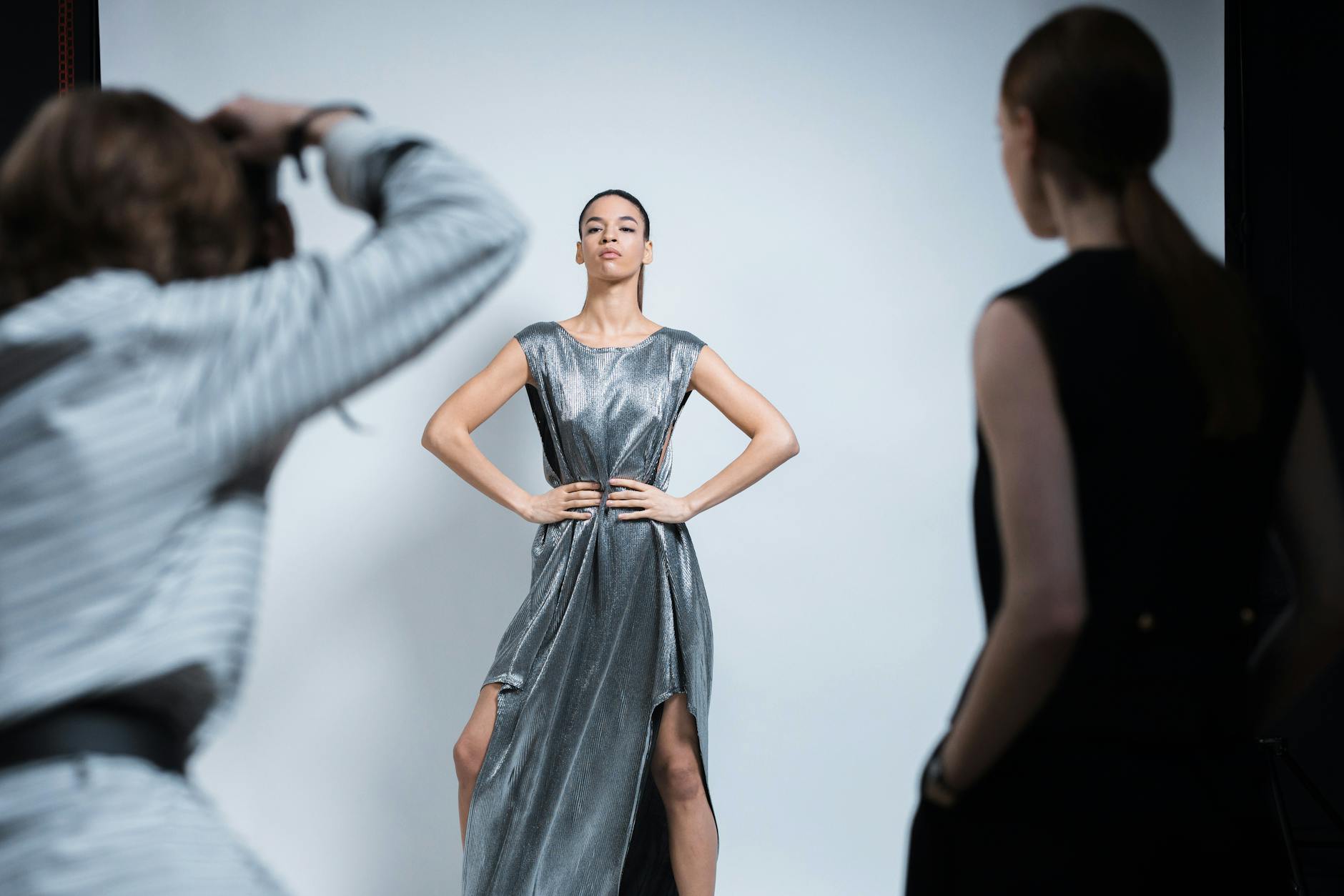
The interactive element creates new forms of fashion entertainment. Designers answer questions about inspiration, fabric choices, and styling suggestions while models showcase pieces. Comments sections become focus groups, with immediate feedback influencing which pieces get produced in larger quantities.
What Traditional Fashion Week Is Losing
Industry insiders worry digital presentations lack the emotional impact of physical shows. The energy of live music, the texture of fabrics under runway lights, and the collective experience of witnessing fashion history cannot be replicated through screens.
Networking opportunities disappear when buyers, editors, and designers don’t gather in person. Fashion Week traditionally functioned as industry convention where deals were made, collaborations formed, and trends were debated in real time. Digital presentations provide content but eliminate community.
Quality control becomes more challenging when clothes aren’t seen in person before orders are placed. Buyers rely on digital color representation and sizing information rather than touching fabrics and examining construction details. This has led to increased return rates and communication challenges between designers and retailers.
The democratization that makes digital shows appealing also diminishes exclusivity that drives luxury fashion’s mystique. When everyone can access designer presentations, the aspirational aspect that motivates high-end purchases may weaken. Fashion’s traditional gatekeeping system, while exclusionary, created desire through scarcity.
Some established designers maintain hybrid approaches, staging intimate physical presentations for key buyers while livestreaming for broader audiences. This preserves industry relationships while embracing digital reach, though it doubles production costs and complexity.
The New Fashion Calendar
Digital presentations have shattered Fashion Week’s rigid twice-yearly schedule. Designers now present collections when inspiration strikes, inventory is ready, or audience engagement peaks. This flexibility aligns production with actual consumer demand rather than arbitrary calendar dates.
Many brands have moved to monthly or quarterly digital reveals, keeping audiences engaged year-round rather than generating attention spikes twice annually. This constant content creation requires different creative resources but builds stronger ongoing relationships with customers.
The traditional fashion cycle of six-month lead times between runway and retail has compressed to weeks or days. Brands that can manufacture quickly capitalize on immediate post-show enthusiasm, while those locked into traditional production schedules miss opportunities.
Global accessibility has leveled geographical playing fields. Designers in Lagos, Mumbai, or São Paulo reach the same audiences as those in Paris or Milan. This democratization has introduced fresh perspectives to fashion conversations previously dominated by Western luxury houses.
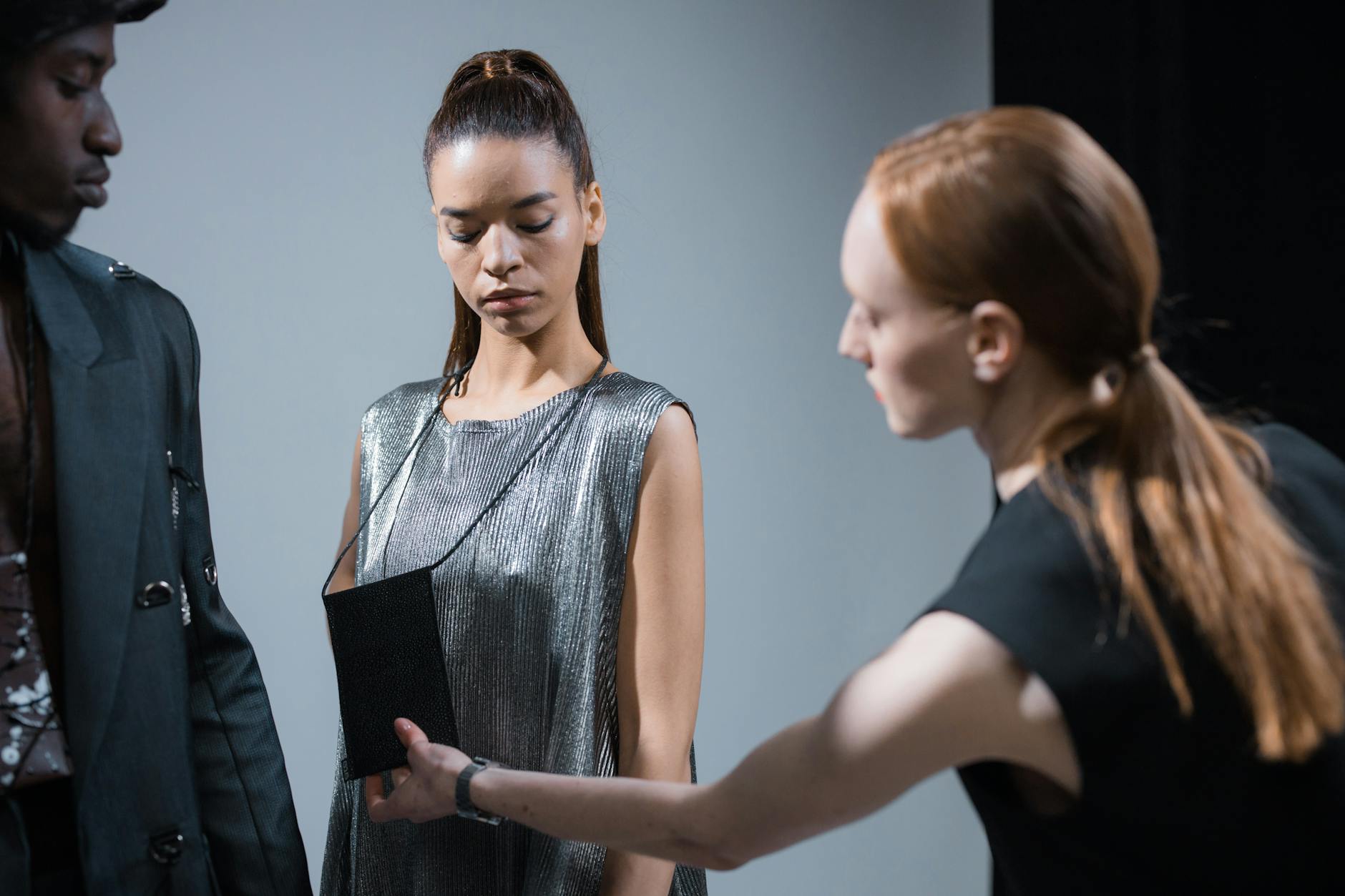
As minimalist capsule wardrobes gain corporate acceptance, digital fashion presentations may evolve toward showcasing versatile pieces rather than extensive seasonal collections. The format naturally supports focused storytelling around fewer, more intentional designs.
The future likely holds hybrid experiences combining digital accessibility with selective physical elements. Virtual reality fashion shows, augmented reality fitting rooms, and AI-powered personal styling could merge online convenience with immersive experiences that recreate runway magic through technology.
Fashion Week’s migration to Instagram Live represents more than platform preference – it signals fashion’s fundamental shift toward direct consumer relationships, immediate gratification, and global accessibility. While purists mourn the loss of exclusivity and craftsmanship appreciation, millions of new fashion enthusiasts gain front-row seats to creativity that was previously hidden behind industry walls.
Frequently Asked Questions
How much do digital fashion shows cost compared to traditional runway shows?
Digital presentations cost under $10,000 while traditional Fashion Week shows range from $100,000 to $500,000 per presentation.
Can viewers buy clothes immediately during Instagram Live fashion shows?
Yes, Instagram’s integrated shopping features allow viewers to purchase pieces during live presentations through product tags and direct links.