





Gucci announced a partnership with vintage authentication platform The RealReal this month, marking the latest move by luxury brands to embrace the secondhand market they once viewed as competition. The collaboration allows customers to trade authenticated pre-owned Gucci pieces directly through the brand’s official channels, earning credit toward new purchases.
This shift represents a fundamental change in how luxury houses approach resale. Rather than fighting the growing vintage market, brands like Gucci, Bottega Veneta, and Saint Laurent are partnering with established authentication services to capture value from their products’ extended lifecycles. The strategy addresses both sustainability concerns and changing consumer preferences, particularly among younger buyers who prioritize circular fashion over traditional retail.
Authentication Technology Drives Partnership Growth
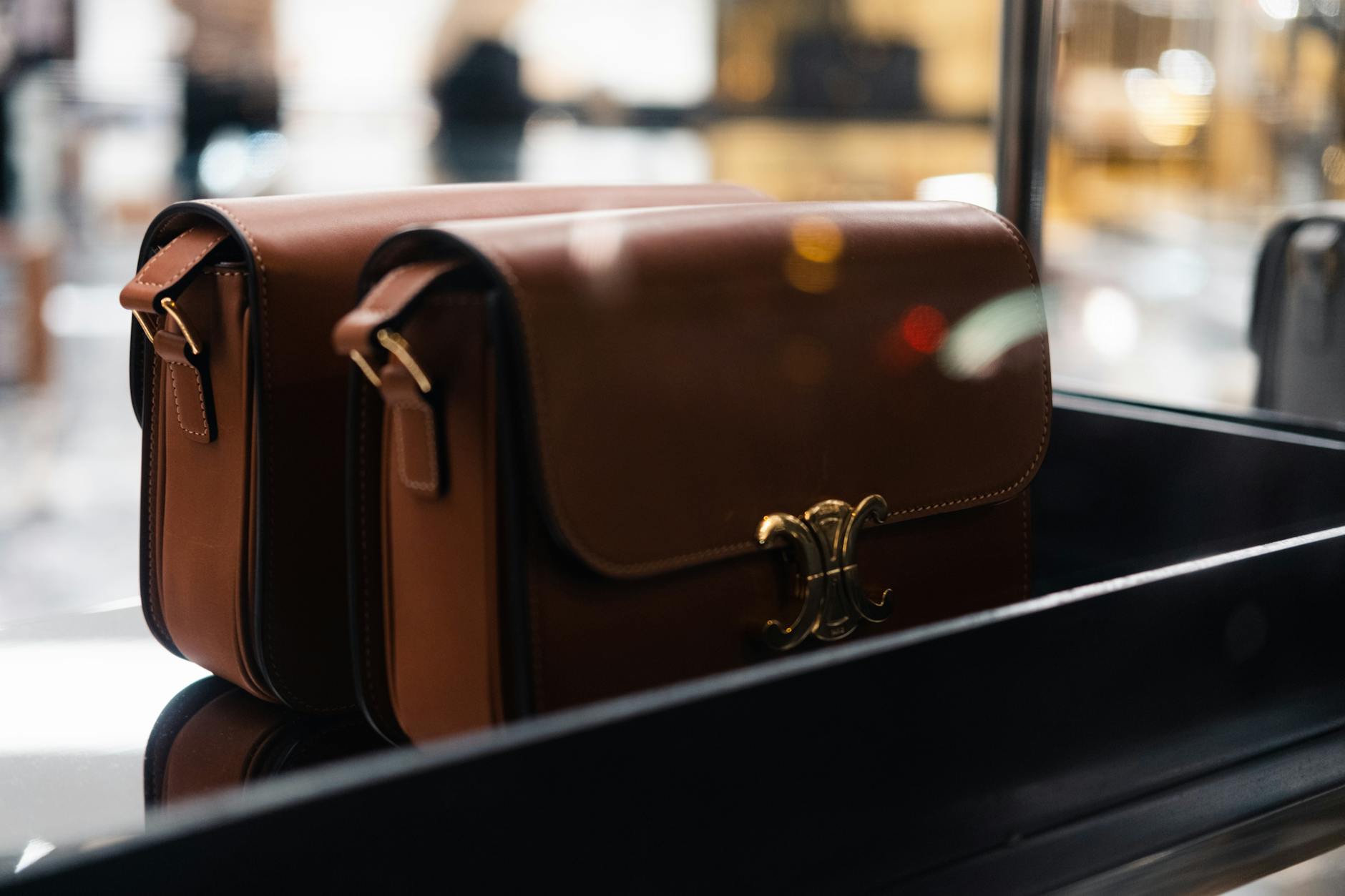
The backbone of these luxury-vintage collaborations lies in sophisticated authentication technology. Companies like Vestiaire Collective and Rebag have invested millions in AI-powered authentication systems that can verify luxury goods with near-perfect accuracy. These platforms use machine learning to analyze everything from stitching patterns to hardware specifications, creating digital fingerprints for authentic pieces.
Chanel recently expanded its partnership with Vestiaire Collective, allowing the platform to authenticate vintage Chanel pieces using proprietary brand data. The collaboration gives Vestiaire access to Chanel’s historical production records, enabling more precise dating and authentication of pieces from different eras. This level of brand cooperation was unthinkable just five years ago, when luxury houses viewed any resale as brand dilution.
Louis Vuitton has taken a different approach, working with Rebag to create a direct buyback program. Customers can sell their Louis Vuitton pieces back to the brand through Rebag’s authentication network, with the brand offering premium prices for items in excellent condition. The program launched in select markets and reportedly saw immediate success, with some bags selling back for 70-80% of their original retail price.
Sustainability Meets Profit in Circular Fashion
The environmental argument for these partnerships resonates strongly with luxury consumers, particularly millennials and Gen Z shoppers who increasingly prioritize sustainable consumption. Kering, parent company of Gucci and Bottega Veneta, has made circular fashion a cornerstone of its sustainability strategy. The company’s partnerships with resale platforms directly support its goal of reducing environmental impact while maintaining revenue growth.
Stella McCartney, long an advocate for sustainable fashion, partnered with TheOutnet to create a dedicated vintage section featuring authenticated pre-owned pieces from the brand. The collaboration includes detailed provenance information for each item, telling the story of the piece’s journey from original purchase to resale. This transparency appeals to consumers who want to understand the full lifecycle of their luxury purchases.
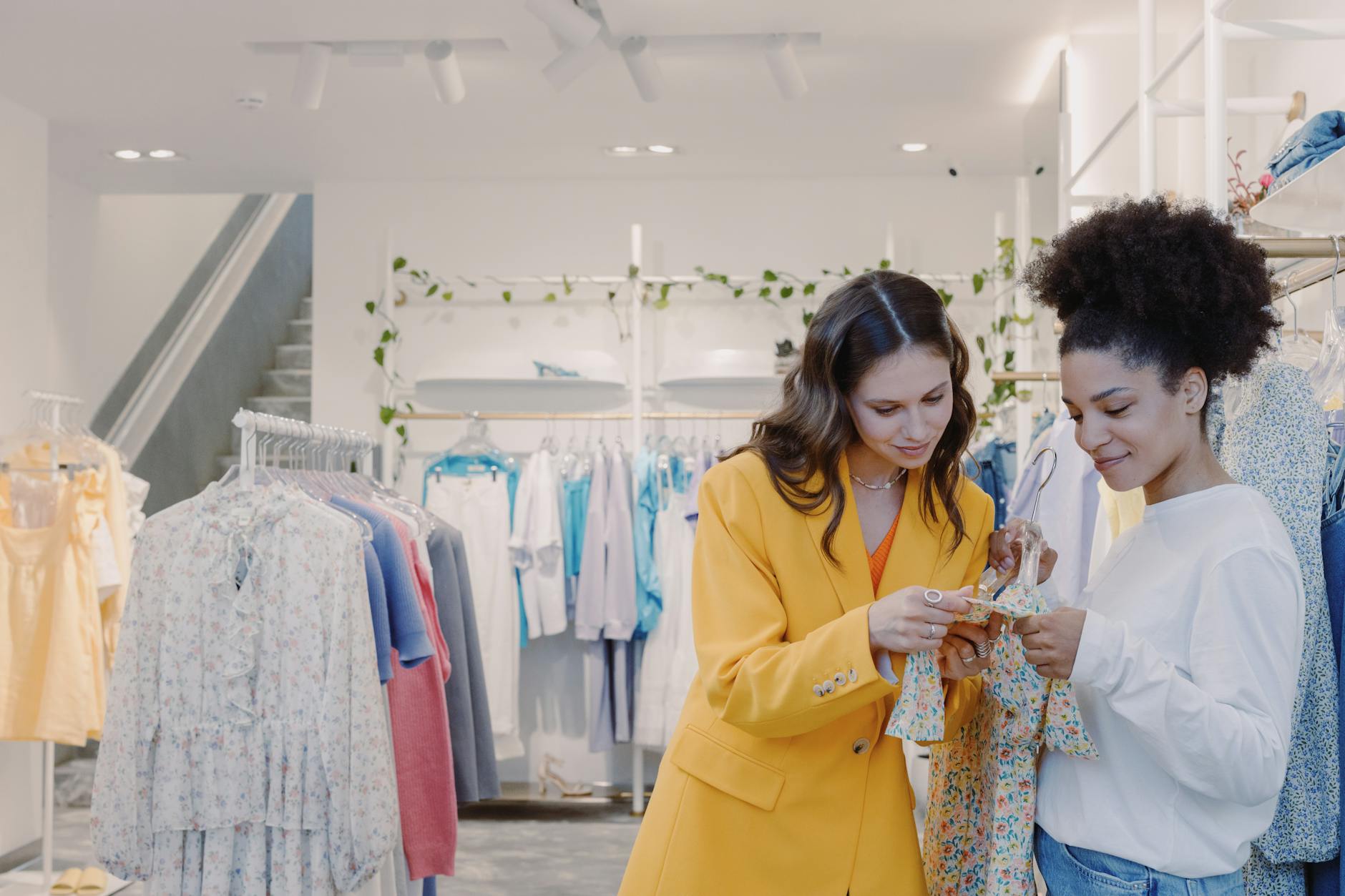
The financial benefits for brands are substantial. When a luxury item sells on the secondary market, brands typically receive no revenue from the transaction. Through authentication partnerships, brands can capture 10-15% commission on resales, creating ongoing revenue streams from products sold years ago. Some industry analysts estimate this could add billions to the luxury market’s total addressable revenue.
The trend mirrors broader shifts in consumer behavior, similar to how thrift flipping has become a full-time career for fashion influencers, demonstrating the growing mainstream acceptance of secondhand luxury goods.
Technology Integration Transforms Customer Experience
Modern authentication partnerships go beyond simple verification. Brands are integrating resale directly into their customer experience, creating seamless transitions between new and pre-owned purchases. Burberry’s partnership with luxury resale platform Fashionphile includes in-store authentication services, allowing customers to verify and sell pieces during regular shopping visits.
The integration extends to digital experiences as well. When customers browse new Hermès bags on certain partner platforms, they can simultaneously view authenticated vintage options from the same era or collection. This side-by-side presentation normalizes vintage purchases and helps customers understand the craftsmanship continuity across decades.
Smart tagging technology is emerging as another integration point. Some brands are experimenting with blockchain-based authentication certificates that travel with items throughout their lifecycle. These digital certificates, viewable through smartphone apps, provide instant verification and ownership history, reducing fraud while building consumer confidence in resale purchases.
Market Expansion and Consumer Education
The authentication partnerships are also educational tools, helping consumers understand luxury craftsmanship and heritage. Prada’s collaboration with luxury authentication service Entrupy includes detailed guides explaining the brand’s construction techniques across different eras. These resources help customers identify authentic pieces while building appreciation for the brand’s manufacturing evolution.
Regional expansion represents another growth area for these partnerships. Brands are using authentication platforms to enter markets where traditional retail expansion might be challenging. A vintage Chanel bag authenticated in Tokyo can reach customers in emerging markets through partner platforms, expanding the brand’s global presence without physical retail investment.
The partnerships also generate valuable data for luxury brands. By tracking which vintage pieces perform best on resale markets, brands can identify design elements and construction techniques that maintain long-term value. This information directly influences current design decisions and helps brands understand their products’ lifecycle performance.
The Future of Luxury Retail Integration
Industry observers expect these partnerships to evolve into full-scale circular retail ecosystems within the next few years. Brands may begin designing products specifically for extended lifecycle value, incorporating features that make authentication easier and maintain condition longer. The integration of new and vintage retail represents a fundamental shift toward circular luxury consumption.
The success of early authentication partnerships has encouraged even the most exclusive luxury houses to reconsider their approach to resale. As consumer preferences continue shifting toward sustainable consumption and brands seek new revenue streams, the partnership model offers a pathway that preserves brand prestige while embracing circular fashion principles.
Frequently Asked Questions
How do luxury brands benefit from vintage authentication partnerships?
Brands capture commission revenue from resales and maintain control over their brand integrity while supporting sustainability goals.
What technology is used to authenticate vintage luxury items?
AI-powered systems analyze stitching, hardware, and construction details, often using proprietary brand data for verification.