





The Algorithm That Changed Everything
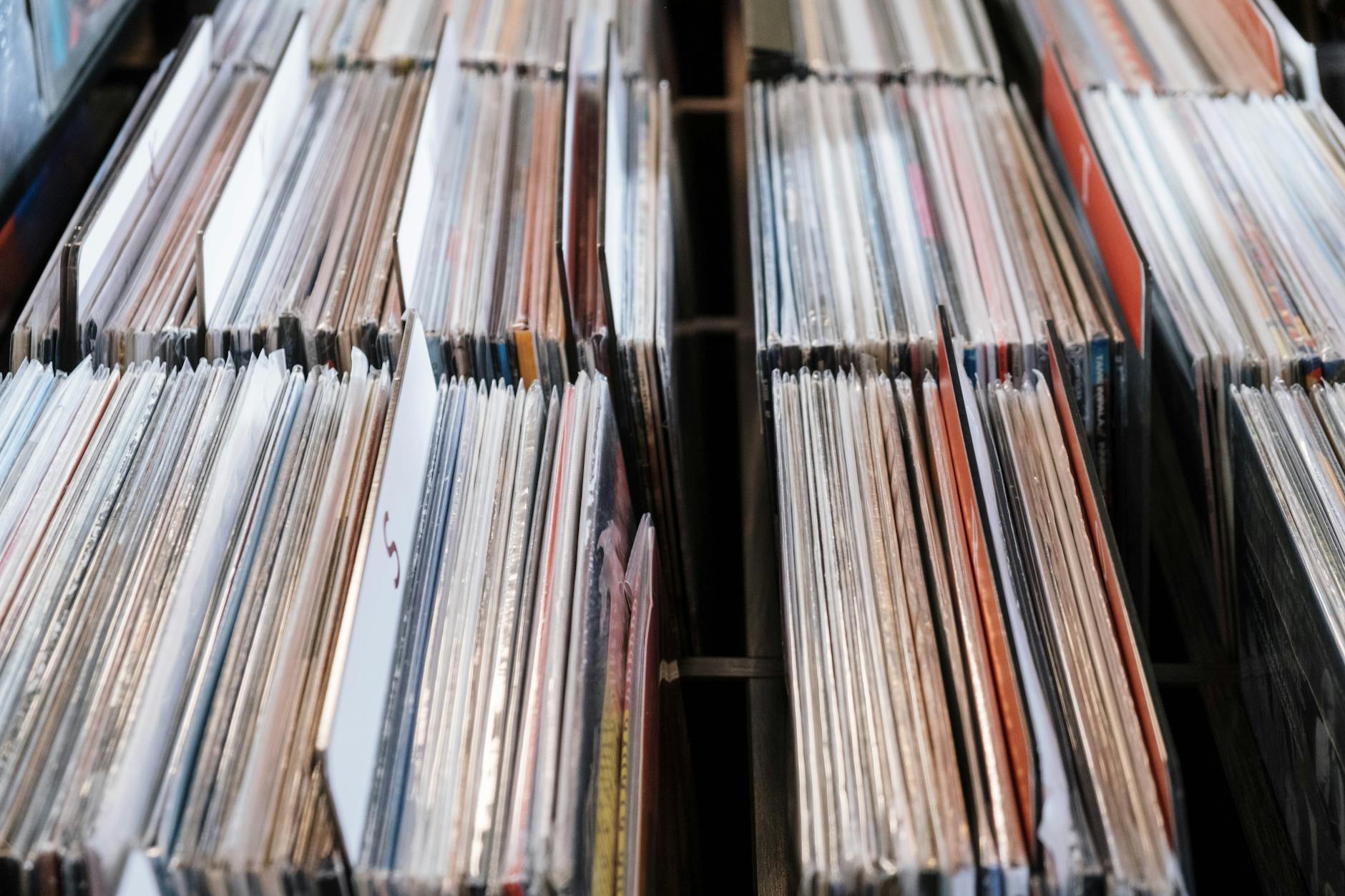
Sarah Martinez remembers the ritual: Saturday mornings spent flipping through vinyl records at Tower Records, carefully reading liner notes, and asking the pierced college kid behind the counter about bands she’d never heard of. Today, the 34-year-old marketing executive discovers music the same way millions do – through Spotify’s AI-powered Discover Weekly playlist that magically appears every Monday morning.
“I don’t even think about finding new music anymore,” Martinez admits. “The algorithm just serves it up, and honestly, it’s usually pretty good. But sometimes I wonder if I’m missing something.”
She’s not alone in that feeling. As Spotify’s recommendation engine becomes increasingly sophisticated, a growing number of music lovers, industry experts, and cultural critics are raising concerns about what we’re losing in the process. The very skills that once defined music fandom – the ability to dig deep, make unexpected connections, and develop personal taste through exploration – may be atrophying in the age of algorithmic curation.

From Crate Digging to Data Mining
Music discovery once required effort, patience, and genuine curiosity. Record store employees became cultural gatekeepers, armed with encyclopedic knowledge and personal recommendations. Radio DJs crafted carefully curated sets, introducing listeners to new artists alongside familiar favorites. Music magazines like Rolling Stone and NME served as tastemakers, their reviews and features guiding readers toward their next obsession.
The internet initially democratized this process. Platforms like Last.fm allowed users to track their listening habits and connect with like-minded music fans. Forums and blogs created communities around specific genres or scenes. iTunes’ “Genius” feature offered suggestions based on actual listening patterns rather than demographic data.
But Spotify’s approach represents a fundamental shift. The platform’s recommendation system analyzes over 80 million songs, considering factors like tempo, key, loudness, and even the time signatures that define different musical styles. It tracks not just what you listen to, but when you skip songs, how often you replay tracks, and which playlists you create.
This level of analysis extends beyond simple genre matching. Spotify’s algorithm identifies micro-genres – categories like “chill indie rock” or “atmospheric black metal” that capture incredibly specific musical moods. The result is recommendations that feel almost telepathic in their accuracy.
The Comfort Zone Trap
Dr. Michael Thompson, a musicologist at Berkeley who studies digital culture, argues that algorithmic curation creates what he calls “taste bubbles” – comfortable sonic environments that rarely challenge listeners.
“When you walked into a record store, you might stumble across something completely outside your wheelhouse just because it was filed next to your favorite band,” Thompson explains. “Spotify’s algorithm is designed to give you more of what you already like, refined to an almost molecular level. It’s incredibly efficient, but efficiency isn’t always what art is about.”
This phenomenon mirrors broader concerns about algorithmic filtering across social media platforms. Just as Facebook’s news feed or TikTok’s For You page can create echo chambers, Spotify’s recommendations may be narrowing rather than expanding musical horizons. The algorithm optimizes for engagement – keeping users listening rather than challenging them to explore.
Young listeners, in particular, may never develop the hunting instincts that previous generations took for granted. Why spend hours researching the influences behind your favorite band when Spotify Radio will automatically play similar artists? Why read album reviews when you can sample everything instantly?
The streaming economy compounds this issue. With over 100,000 songs uploaded to Spotify daily, the sheer volume of available music makes traditional discovery methods seem impractical. But this abundance paradox – too many choices leading to decision paralysis – makes algorithmic curation feel like a necessity rather than a convenience.
What We’re Losing
The skills atrophying in the streaming age go beyond simple music knowledge. Traditional discovery methods taught patience, critical thinking, and the ability to make unexpected connections between artists and genres. They encouraged deep listening – sitting with an entire album rather than jumping between singles.
Music journalist Amanda Chen, who writes about digital culture trends, notes that algorithmic discovery often lacks the serendipity that creates lasting musical memories. “Some of my most meaningful musical discoveries happened because I bought the wrong album, or because a friend made me a mixtape with one weird song that opened up an entire genre for me. Spotify’s algorithm is too smart for those kinds of happy accidents.”
The social aspect of music discovery has also diminished. Sharing playlists isn’t the same as burning a CD for someone or arguing about bands at 2 AM in a dorm room. Similar to how TikTok book reviews are changing literary criticism, the communal experience of discovering and debating culture is being replaced by algorithmic efficiency.
Record stores, once cultural hubs where different generations and communities intersected around shared musical interests, continue closing as streaming dominates. Independent music venues, which often introduced audiences to local and touring acts outside the mainstream, struggle to compete with curated playlists that deliver new music without the need to leave home.

Finding Balance in the Algorithm Age
The solution isn’t abandoning algorithmic curation entirely – Spotify’s recommendations genuinely help millions of people discover music they love. Instead, the challenge is learning to use these tools while preserving the skills and habits that create deeper musical experiences.
Some listeners are already finding ways to game the system in reverse, deliberately seeking out music that confuses their algorithmic profile. Others are returning to human curation, following record label playlists, music blog recommendations, or artists’ personal selections rather than letting AI make all the choices.
The future of music discovery likely lies in hybrid approaches that combine algorithmic efficiency with human intuition. Platforms could encourage more adventurous listening through features that explicitly push users outside their comfort zones, or by highlighting the human stories behind musical connections.
As the creator economy continues evolving across all cultural fields, the music industry faces questions about whether optimization serves art or constrains it. The most sophisticated algorithm can analyze the mathematical relationships between songs, but it cannot replicate the thrill of finding something extraordinary in an unexpected place.
The key is remembering that the best discoveries often happen when we’re willing to get a little lost. In an age of perfect recommendations, perhaps the most radical act is choosing to wander.
Frequently Asked Questions
How does Spotify’s recommendation algorithm work?
Spotify analyzes over 80 million songs using factors like tempo, key, loudness, and listening patterns to create personalized recommendations and micro-genre categories.
What skills are being lost due to algorithmic music curation?
Traditional discovery skills like patience, critical thinking, deep listening, and the ability to make unexpected connections between artists and genres are diminishing.