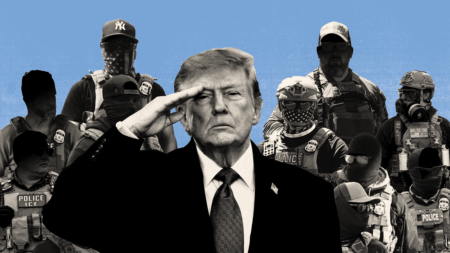





Senator Bill Cassidy faces his most serious political challenge since taking office, with a Trump-endorsed opponent forcing the Louisiana Republican into an unexpectedly competitive primary battle. The race has become a proxy war between the party’s establishment wing and its populist base, testing whether Trump’s influence remains potent enough to unseat sitting senators who have occasionally bucked his agenda.
The electoral drama unfolds against an unusual backdrop of postponed congressional races, creating a bifurcated election day that political observers describe as both chaotic and revealing. Louisiana’s primary system, already complex, has grown more intricate following the Louisiana v. Callais court decision that delayed House contests while leaving statewide races intact.
Cassidy’s Conservative Credentials Under Fire
Cassidy built his Senate career on fiscal conservatism and healthcare policy expertise, earning respect from colleagues across the aisle for his measured approach to legislation. His medical background as a gastroenterologist informed his work on healthcare reform, making him a go-to Republican voice on medical issues during the pandemic.
Yet his Trump-endorsed challenger has successfully framed these very qualifications as evidence of Washington insider status. The primary campaign has exposed tensions within Louisiana’s Republican base, where Cassidy’s occasional criticism of Trump has not been forgotten. His vote to convict Trump during the second impeachment trial particularly rankles conservative voters who view such independence as betrayal rather than principled governance.
Trump’s Endorsement Strategy in Deep Red Territory
The former president’s decision to target Cassidy reflects a broader strategy of eliminating Republican senators who demonstrated independence during his presidency. Louisiana represents an ideal testing ground for this approach, given Trump’s overwhelming popularity in the state and the relatively low cost of advertising in local media markets.
Trump’s endorsed candidate has built a campaign around loyalty themes, arguing that Louisiana deserves a senator who will never question party leadership. The messaging resonates with primary voters who prioritize partisan solidarity over legislative experience, creating a fundamental choice between competence and compliance.
Polling data shows the race tightening as election day approaches, with Cassidy’s early advantages eroding under sustained attacks on his Trump record. The senator’s campaign has responded by emphasizing his conservative voting record and his ability to deliver federal resources to Louisiana, particularly in disaster relief and infrastructure projects.
Yet these traditional selling points appear less effective in an electoral environment where symbolic loyalty often outweighs practical results. Cassidy’s team privately acknowledges that defending nuanced positions proves difficult when opponents can simply point to his impeachment vote as evidence of insufficient Republican commitment.
Court Decision Creates Electoral Confusion
The Louisiana v. Callais ruling has created an unprecedented situation where voters will choose senators but not House representatives, disrupting typical down-ballot voting patterns. Legal observers note that the decision, while technically sound, has generated practical complications that may suppress turnout in certain parishes.
Congressional candidates who spent months preparing for primary battles now face extended uncertainty about when their races will occur. This delay benefits incumbent House members but creates fundraising challenges for challengers who must maintain campaign operations without a clear timeline for resolution.
Primary Results Shape November Strategy
Louisiana’s jungle primary system means today’s results may not produce a definitive winner, particularly if multiple candidates split the anti-Cassidy vote. A runoff scenario would extend the drama through November, giving Trump additional opportunities to campaign against the incumbent senator.
Democratic operatives are watching closely, though their party’s chances in a general election remain minimal given Louisiana’s Republican lean. The more interesting question involves whether a weakened Cassidy might face reduced effectiveness in the Senate, where relationships matter as much as voting records.
National Republican leaders privately worry that primary challenges to establishment senators could create governance problems if Trump-endorsed candidates prove less capable legislators. Yet they remain reluctant to intervene in local races, recognizing that such involvement often backfires by validating outsider campaign narratives.
The congressional race delays add another variable to an already complex electoral equation, leaving voters to navigate a ballot that reflects legal disputes as much as political preferences.