



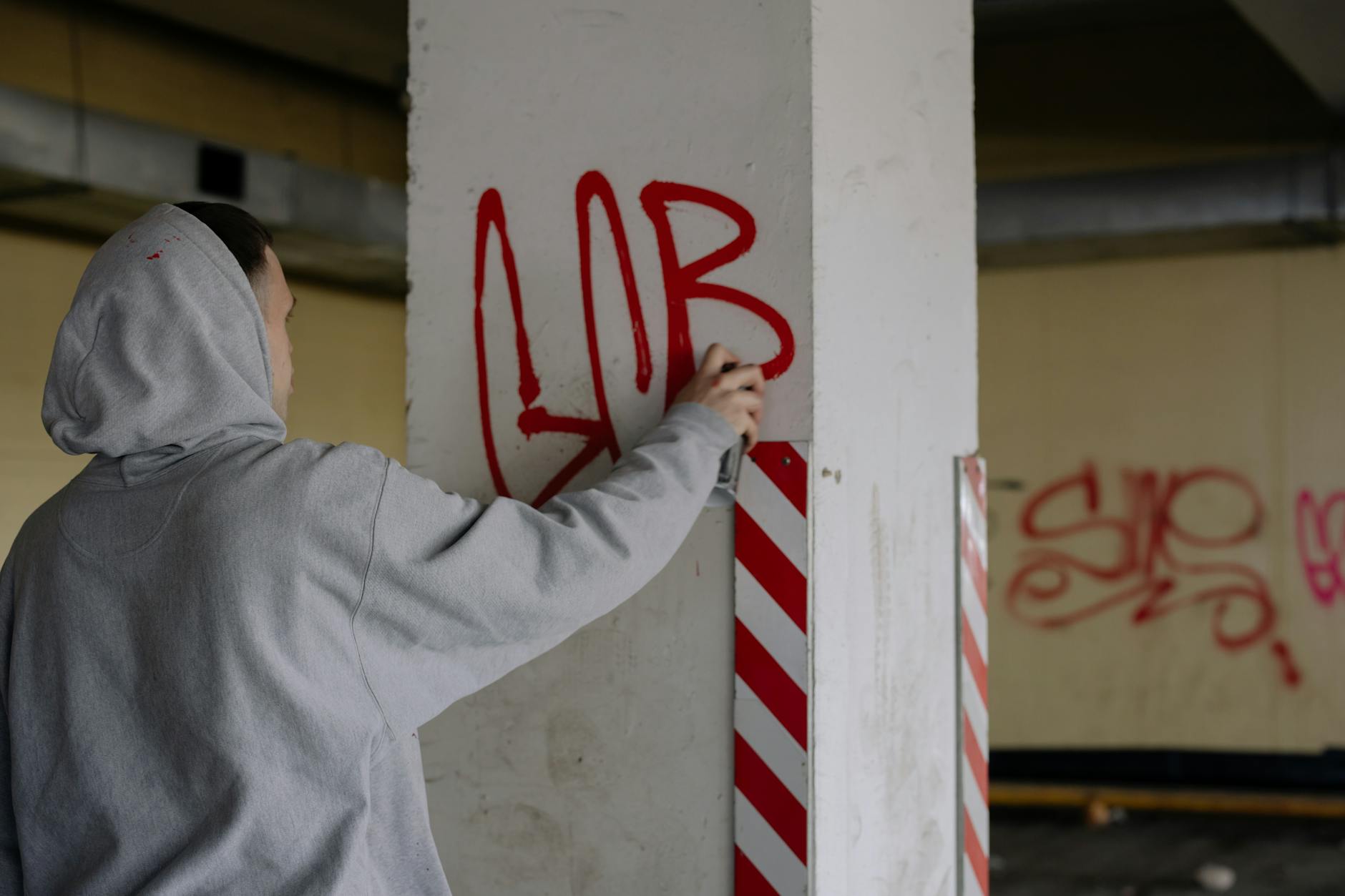
The spray paint can that once symbolized rebellion now sits alongside oil paintings in climate-controlled galleries. Street art, born from urban necessity and artistic defiance, has undergone one of the most dramatic transformations in contemporary culture – moving from criminalized vandalism to celebrated fine art worth millions at auction houses.
This shift represents more than artistic legitimacy. Museums worldwide are discovering that street art exhibitions draw younger, more diverse audiences than traditional shows. The Brooklyn Museum’s “Basquiat: King Pleasure” broke attendance records, while London’s Design Museum dedicated an entire floor to street art pioneers. What started as unauthorized expressions on subway cars and building walls now commands premium exhibition space in institutions that once dismissed it entirely.
The transition hasn’t happened overnight. Decades of cultural evolution, celebrity endorsements, and changing attitudes toward public art have created this unprecedented moment where former outlaws become museum darlings.
From Criminal Activity to Cultural Currency
The legitimization of street art began in earnest during the 1980s when galleries in New York’s East Village started showcasing graffiti artists. Keith Haring moved from subway stations to gallery walls, while Jean-Michel Basquiat transformed from SAMO© tags to neo-expressionist paintings selling for record prices.
Today’s museum exhibitions go far beyond displaying individual pieces. Institutions are recreating entire street environments inside gallery spaces. The Museum of Contemporary Art in Los Angeles built replica walls and subway car sections for their street art retrospectives. Visitors can experience the original context – the urban decay, the unauthorized nature, the community aspect – all within the safety of a museum setting.
This institutional embrace has sparked heated debates within the street art community. Purists argue that removing street art from its natural habitat strips away its rebellious essence and political message. Others celebrate the preservation and wider accessibility that museums provide.
The financial implications are staggering. Banksy’s “Girl with Balloon” sold for over $1 million before dramatically self-shredding at Sotheby’s auction house. Works by Kaws, Shepard Fairey, and Os Gemeos now command six-figure prices, creating a legitimate art market that attracts serious collectors and investors.
Digital Documentation Drives Museum Interest
Social media transformed street art from temporary urban expression to permanent cultural record. Instagram and TikTok allow artists to document their work before it’s painted over or weathered away, creating digital portfolios that museums can reference for exhibitions.
This documentation revolution solved a practical problem for curators. Traditional street art was ephemeral – pieces disappeared within days or weeks. Now museums can recreate iconic works based on high-quality digital records, sometimes collaborating with original artists to ensure authenticity.
The digital component also changed how audiences interact with street art exhibitions. Museums are incorporating QR codes that link to the original street locations via Google Street View. Visitors can see where pieces originally appeared, understanding the geographical and social context that shaped the artist’s message.
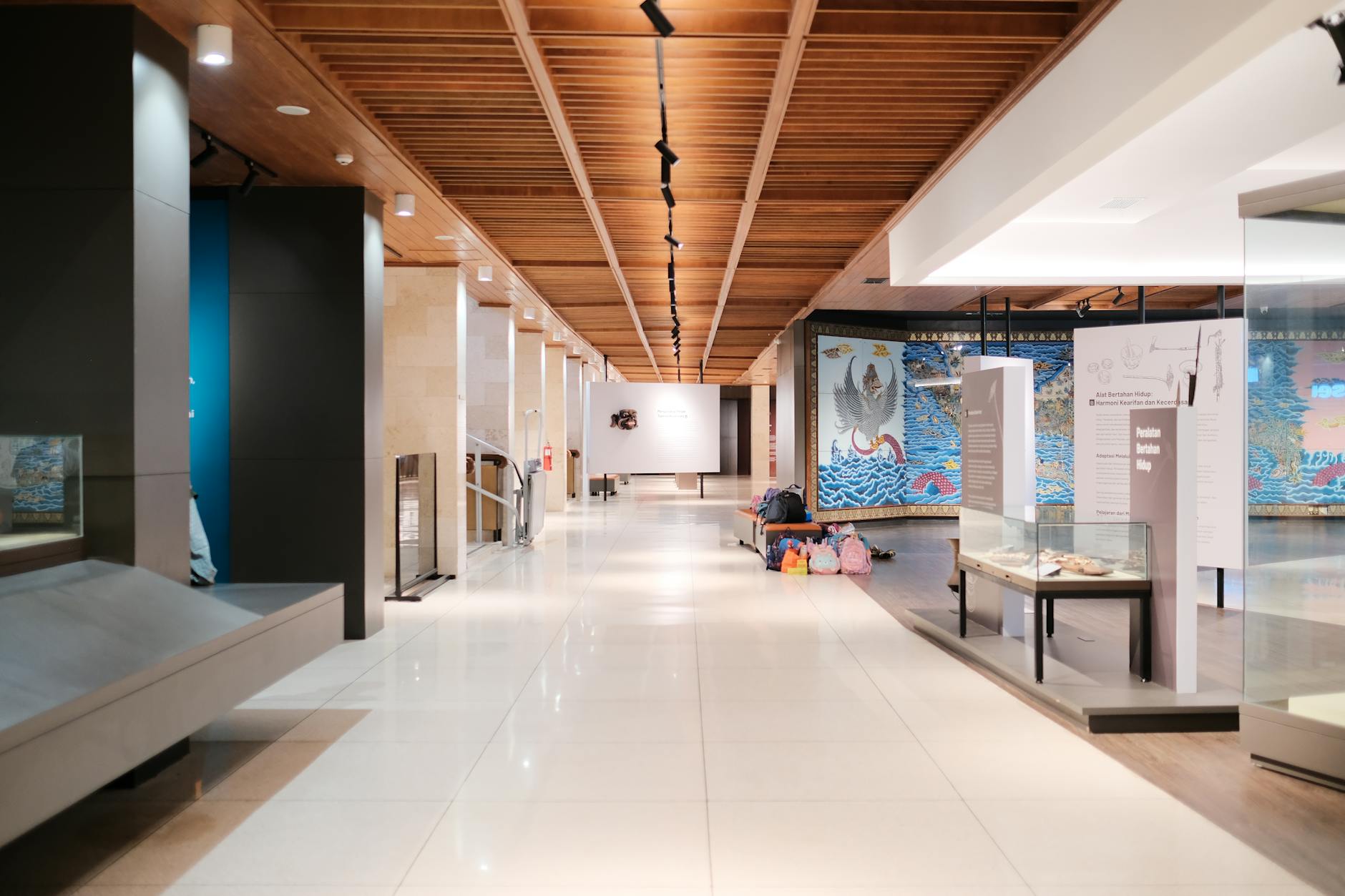
Major institutions have hired dedicated street art curators who understand the culture’s nuances. The Smithsonian’s Hirshhorn Museum appointed its first street art specialist in 2019, recognizing the need for expertise in this rapidly evolving field. These curators work directly with living artists, many still actively creating unauthorized work while simultaneously participating in legitimate exhibitions.
The preservation challenge remains complex. Unlike traditional paintings or sculptures, street art was never meant to last. Museums must decide whether to recreate works using original techniques and materials, or adapt them for long-term display using archival methods. Some institutions do both, creating temporary exhibitions with authentic materials alongside permanent collections using museum-grade alternatives.
Community Impact and Cultural Accessibility
Museums are discovering that street art exhibitions attract demographics traditionally underrepresented in art institutions. Young adults, particularly those from urban communities, visit these shows at higher rates than classical art exhibitions. The familiar aesthetic and cultural references create natural entry points for audiences who might otherwise feel disconnected from fine art spaces.
This demographic shift is driving programming changes beyond exhibitions. Museums are hosting workshops where established street artists teach techniques to visitors. The Whitney Museum’s street art workshop series consistently sells out, with participants ranging from teenagers to senior citizens eager to learn stenciling, wheatpasting, and spray paint techniques.
The educational component extends to academic partnerships. Art schools that once discouraged graffiti-style work now offer street art courses as legitimate studio practice. This academic integration mirrors the broader cultural acceptance, creating pathways for artists to develop technical skills while maintaining the rebellious spirit that defines the medium.
Community partnerships are also evolving. Museums collaborate with local street artists to create temporary installations on their exterior walls, blending institutional and street contexts. These partnerships acknowledge that street art’s power often comes from its relationship to specific neighborhoods and communities.
The transformation parallels broader cultural trends, similar to why traditional art classes are making a comeback among digital natives, where authentic, hands-on creative experiences gain value in our increasingly digital world.
Global Museum Movement and Future Directions
International institutions are racing to develop comprehensive street art programs. Paris’s Palais de Tokyo has dedicated permanent gallery space to street art, while Berlin’s Urban Nation Museum exists entirely to showcase street and urban contemporary art. These institutions treat street art not as a temporary trend but as a fundamental artistic movement deserving serious scholarly attention.
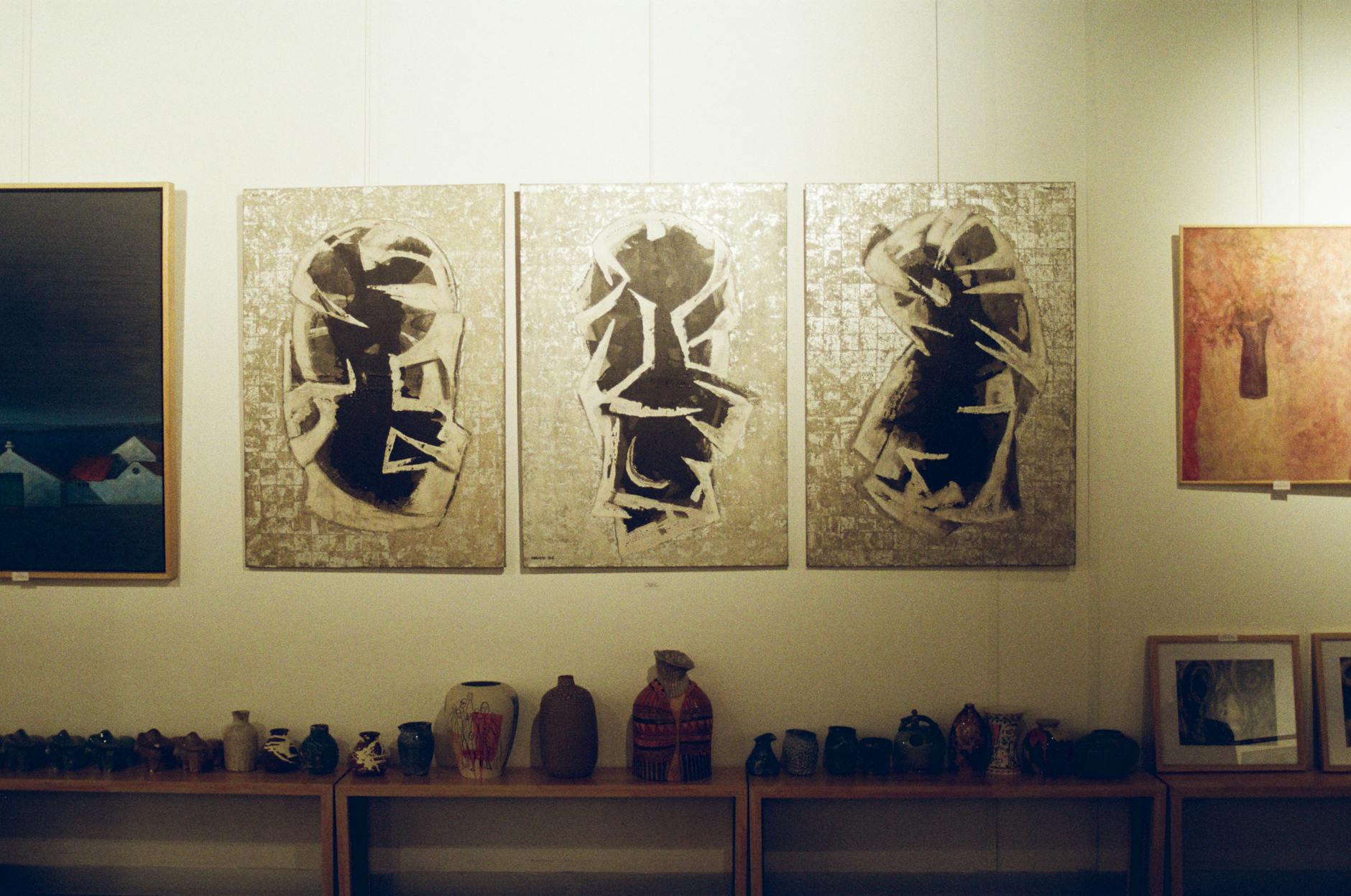
The global nature of street art culture is driving international exhibition exchanges. Artists who gained recognition in São Paulo’s favelas now show alongside London tube tunnel painters and Detroit urban muralists. This cross-cultural pollination creates exhibitions that explore street art as both local expression and universal language.
Technology integration continues expanding museum possibilities. Virtual reality exhibitions allow visitors to experience street art in its original locations without traveling. The Tate Modern’s VR street art tour takes visitors through São Paulo’s pixação culture and New York’s 1970s subway scene, providing historical context impossible to recreate physically.
Acquisition strategies are also evolving. Museums are purchasing entire walls when possible, relocating them carefully to preserve original context. When physical preservation isn’t feasible, institutions are commissioning artists to recreate significant works specifically for museum display, blurring the lines between documentation and new creation.
The next phase will likely involve even greater integration between street and institutional art. Museums are planning satellite locations in urban areas where street art naturally occurs, creating bridges between authorized and unauthorized creative spaces. These hybrid venues could maintain street art’s rebellious energy while providing institutional support and preservation.
Street art’s museum migration represents more than cultural acceptance – it signals a fundamental shift in how we define legitimate artistic expression. As institutions continue embracing formerly marginalized art forms, they’re not just changing their collections but transforming their role in contemporary culture, making space for voices that once existed entirely outside traditional art world boundaries.
Frequently Asked Questions
Why are museums suddenly interested in street art?
Museums discovered street art exhibitions attract younger, more diverse audiences than traditional shows, while the art form has gained cultural legitimacy and commercial value.
Do street artists support museum exhibitions of their work?
The community is divided – some celebrate the preservation and accessibility museums provide, while purists argue it strips away the rebellious essence and political message.