





Meta just shut down Horizon Venues, its virtual concert platform, but the broader shift toward digital music experiences is accelerating faster than ever. Major artists are building persistent virtual worlds, streaming platforms are launching immersive concert features, and fans are trading muddy festival grounds for customizable digital experiences they can access from their living rooms.
The pandemic forced the music industry into virtual experiments, but what started as emergency solutions has evolved into permanent alternatives. Artists who once viewed digital concerts as poor substitutes now see them as creative laboratories where they can break the laws of physics, collaborate with fans in real-time, and reach audiences impossible to gather in physical spaces.
The Technology Behind Virtual Concert Venues
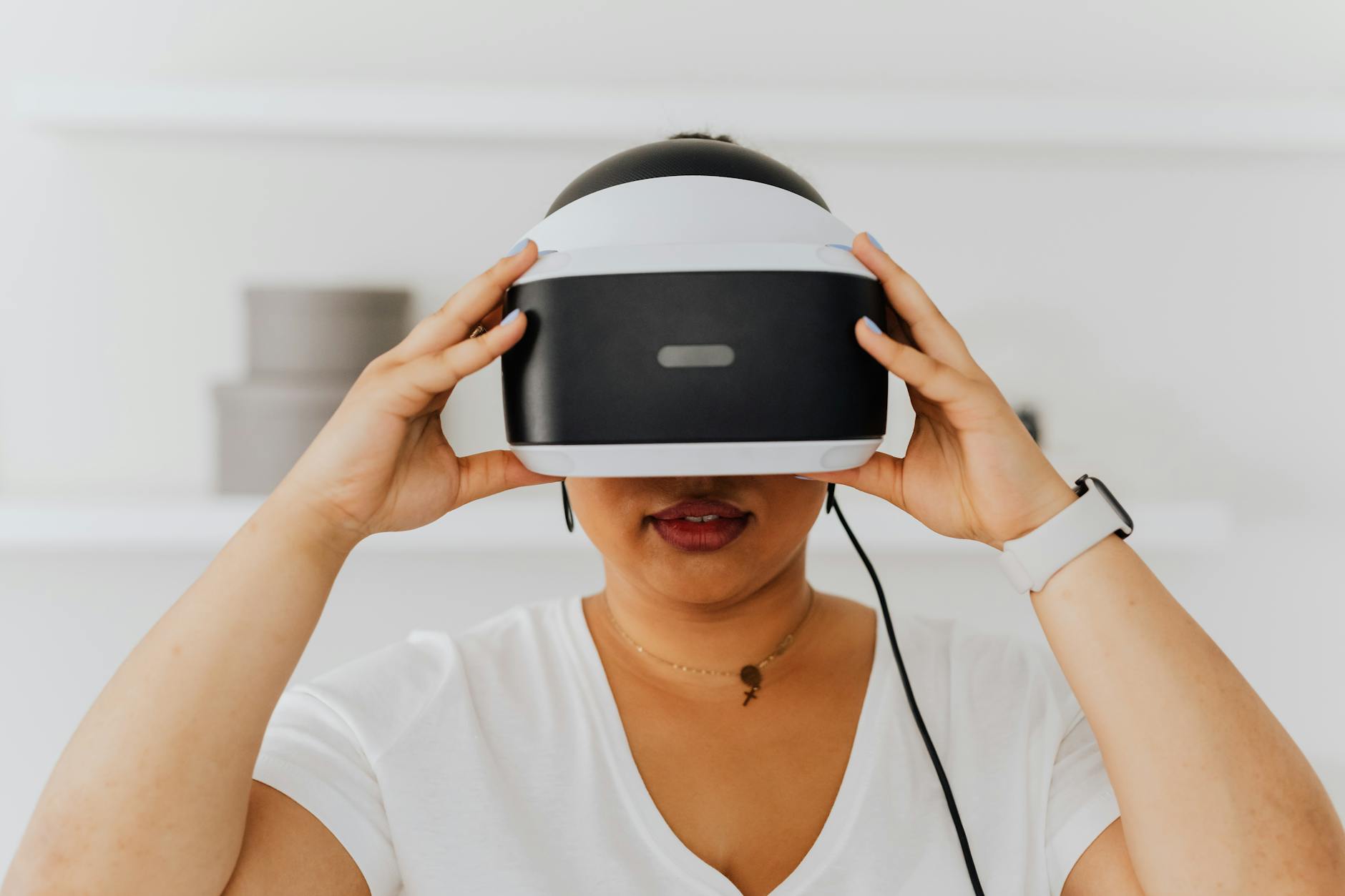
Virtual reality concert platforms rely on sophisticated spatial audio technology that creates three-dimensional soundscapes. Unlike traditional stereo recordings, these systems position instruments and vocals in virtual space, allowing listeners to move closer to specific musicians or experience the concert from different vantage points.
Wave XR, which has produced virtual concerts for artists like The Weeknd and Justin Bieber, uses volumetric capture technology to record performances from multiple angles simultaneously. This creates detailed 3D models of performers that can be experienced from any perspective within the virtual venue. The platform has hosted over 50 major virtual concerts since 2020, with some attracting audiences exceeding 12 million viewers.
Fortnite’s virtual concerts represent another approach entirely. Rather than simulating traditional concert experiences, Epic Games creates surreal environments where artists like Ariana Grande and Travis Scott become giants traversing impossible landscapes. These events blur the line between performance and interactive entertainment, with participants becoming part of the show rather than passive observers.
The technical requirements remain significant. High-quality VR concerts require powerful processors, stable internet connections, and specialized headsets that many potential audience members don’t own. However, most platforms now offer smartphone and computer access alongside VR options, making these events accessible to broader audiences.
Economic Advantages for Artists and Organizers
Virtual concerts eliminate many of the largest expenses associated with traditional touring. Artists don’t need to transport equipment across continents, hire local crews, or book venues months in advance. A single virtual performance can potentially reach global audiences without the logistical nightmare of coordinating multiple time zones and travel restrictions.
Production costs for virtual concerts vary dramatically depending on complexity. Simple livestreamed performances might cost thousands of dollars, while elaborate virtual productions involving custom environments and interactive elements can reach six-figure budgets. However, these costs remain substantially lower than major festival productions, which often require millions in upfront investment for venue rental, security, equipment, and talent fees.
Revenue models for virtual concerts are still evolving. Some platforms charge per-view fees similar to pay-per-view events, while others rely on sponsorship and in-app purchases. Virtual merchandise sales have become particularly lucrative, with digital items like avatar clothing and exclusive virtual spaces commanding real money from fans.
The global reach potential cannot be understated. Traditional festivals are limited by venue capacity and geographic constraints, but virtual events can theoretically accommodate unlimited audiences. Marshmello’s Fortnite concert reportedly attracted over 10 million concurrent viewers, a number that would be impossible to achieve with any physical venue.
Changing Fan Expectations and Social Dynamics
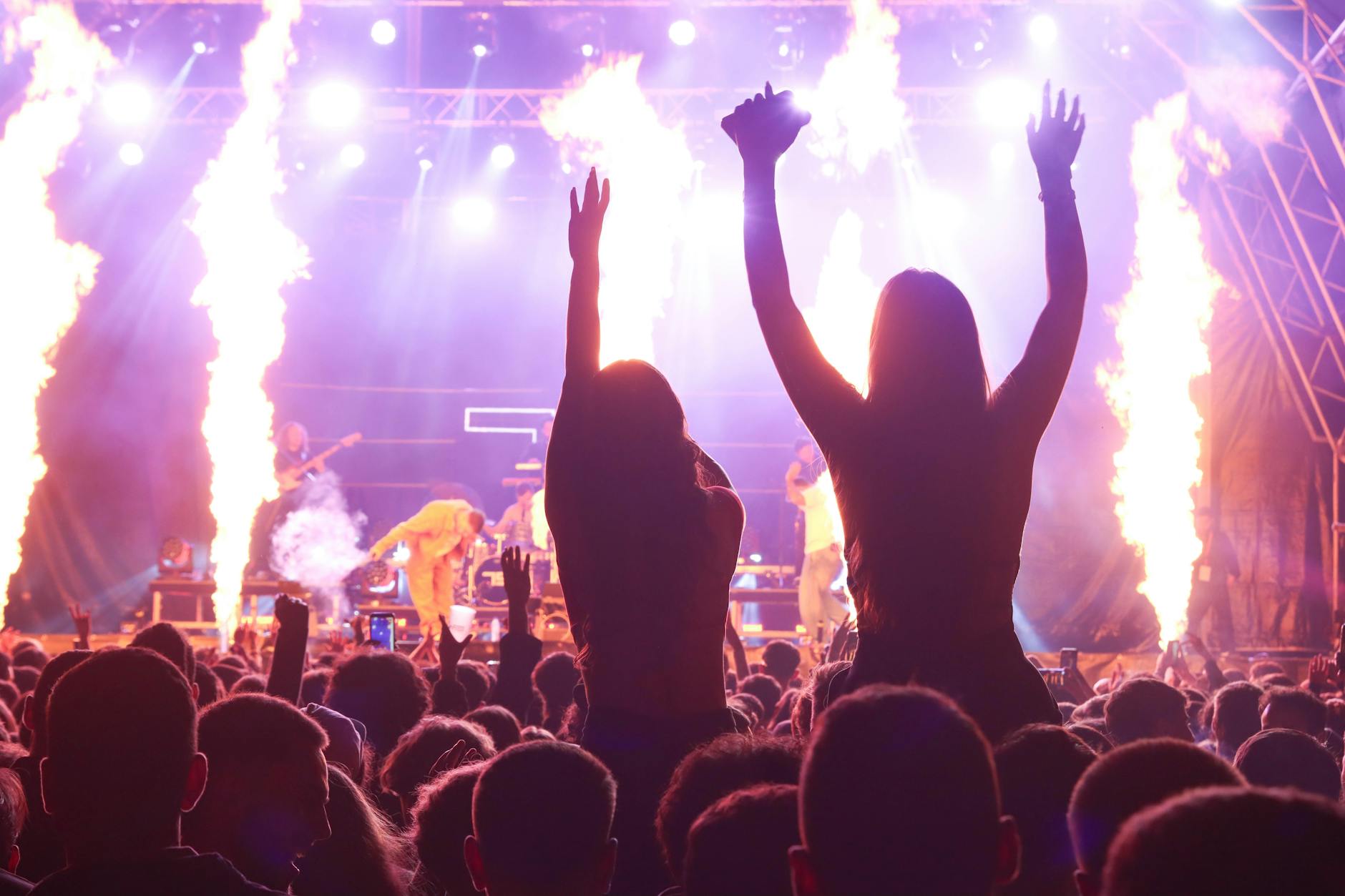
Virtual concert audiences behave differently than traditional festival crowds. Chat functions allow real-time communication between fans and sometimes with performers, creating more intimate connections despite the digital barrier. Some platforms enable audience members to influence the performance through voting, reactions, or direct participation in virtual environments.
The social aspect of virtual concerts is evolving rapidly. Platforms are developing features that allow friends to attend together in virtual spaces, sharing reactions and experiences in real-time despite being physically separated. Some virtual venues recreate the communal aspects of live music through features like virtual camping areas, pre-show gatherings, and post-concert hangout spaces.
Accessibility represents a major advantage for virtual concerts. Fans with mobility limitations, those living in remote areas, or people who cannot afford travel and accommodation costs can access high-quality musical experiences. Virtual platforms can also provide features like real-time captioning, multiple camera angles, and customizable audio settings that enhance experiences for fans with different needs.
However, virtual concerts lack the sensory richness of live events. The feeling of bass vibrations, the energy of crowd movement, and the unpredictability of live performance cannot be fully replicated digitally. Many fans view virtual concerts as complementary to rather than replacements for traditional live music experiences.
The generational divide is notable. Younger audiences, particularly those who grew up with online gaming and social media, adapt more readily to virtual concert formats. They’re comfortable with digital social interactions and often prefer the customization options virtual platforms provide. Older audiences show more resistance, though this is gradually changing as platforms improve accessibility and user experience.
Artists Embracing Virtual Performance Spaces
Musicians are discovering creative possibilities in virtual environments that simply don’t exist in physical venues. Artists can manipulate gravity, transform their appearance mid-performance, or create impossible architectural spaces as backdrops for their music. These capabilities are pushing performers to reimagine what concerts can be.
Grimes has been particularly vocal about virtual concert potential, describing physical touring as outdated and environmentally destructive. She’s experimented with AI-generated visuals and virtual avatar performances that blur the line between human and digital artistry. Her approach suggests a future where the artist’s physical presence becomes optional rather than essential.
Major record labels are investing heavily in virtual concert technology and partnerships. Universal Music Group has signed deals with multiple virtual platforms, while Warner Music Group is developing its own virtual spaces. These investments suggest industry confidence that virtual concerts represent permanent shifts rather than temporary pandemic responses.
Independent artists are finding virtual platforms particularly valuable for reaching new audiences without the substantial upfront costs of traditional touring. Emerging musicians can potentially reach global audiences through virtual performances that would be financially impossible through conventional touring circuits. This democratization effect could significantly reshape how new artists build careers and connect with fans.
Similar shifts are happening across entertainment sectors. Museums are creating immersive night experiences that blend culture with social interaction, while comedy is adapting to digital formats in innovative ways.
The future of music festivals likely involves hybrid models rather than complete replacement. Physical festivals will continue appealing to audiences seeking communal experiences and sensory immersion that virtual platforms cannot replicate. However, virtual concerts will serve different needs: accessibility, global reach, creative experimentation, and personalized experiences.
Major festivals are already incorporating virtual elements. Coachella has experimented with livestreaming and virtual reality components, while Burning Man created entirely virtual experiences during pandemic restrictions. These hybrid approaches suggest industry recognition that virtual and physical experiences can complement rather than compete with each other.
The technology will continue evolving rapidly. Improvements in haptic feedback, visual quality, and social interaction features will make virtual concerts increasingly compelling. As virtual reality hardware becomes more affordable and accessible, the potential audience for these experiences will expand significantly.
Virtual concert venues represent fundamental shifts in how audiences consume live music, how artists reach fans, and how the music industry thinks about performance spaces. While they won’t eliminate traditional festivals entirely, they’re creating new possibilities that are reshaping expectations for what live music experiences can be.
Frequently Asked Questions
How much do virtual concerts cost to attend?
Virtual concert ticket prices vary widely, from free livestreams to premium VR experiences costing $20-50, much less than traditional festival passes.
Do you need VR equipment to attend virtual concerts?
Most virtual concerts offer multiple viewing options including smartphones, computers, and VR headsets, making them accessible without specialized equipment.