





The Gap Between the Demo and the Floor
A robot backflips. A robot folds laundry. A robot carries groceries up a flight of stairs. These clips rack up millions of views, and the comment sections fill with people either marveling at how close the future feels or panicking that their jobs are already gone. Neither reaction is quite right – and the reason why comes down to something most tech companies have little incentive to explain.
The distance between what a humanoid robot can do in a controlled demonstration and what it can do reliably, repeatedly, and without supervision in the real world remains wide. The videos are real. The capability gap is also real. Understanding both at the same time is harder than it should be.
Why the Human Shape Changes Everything
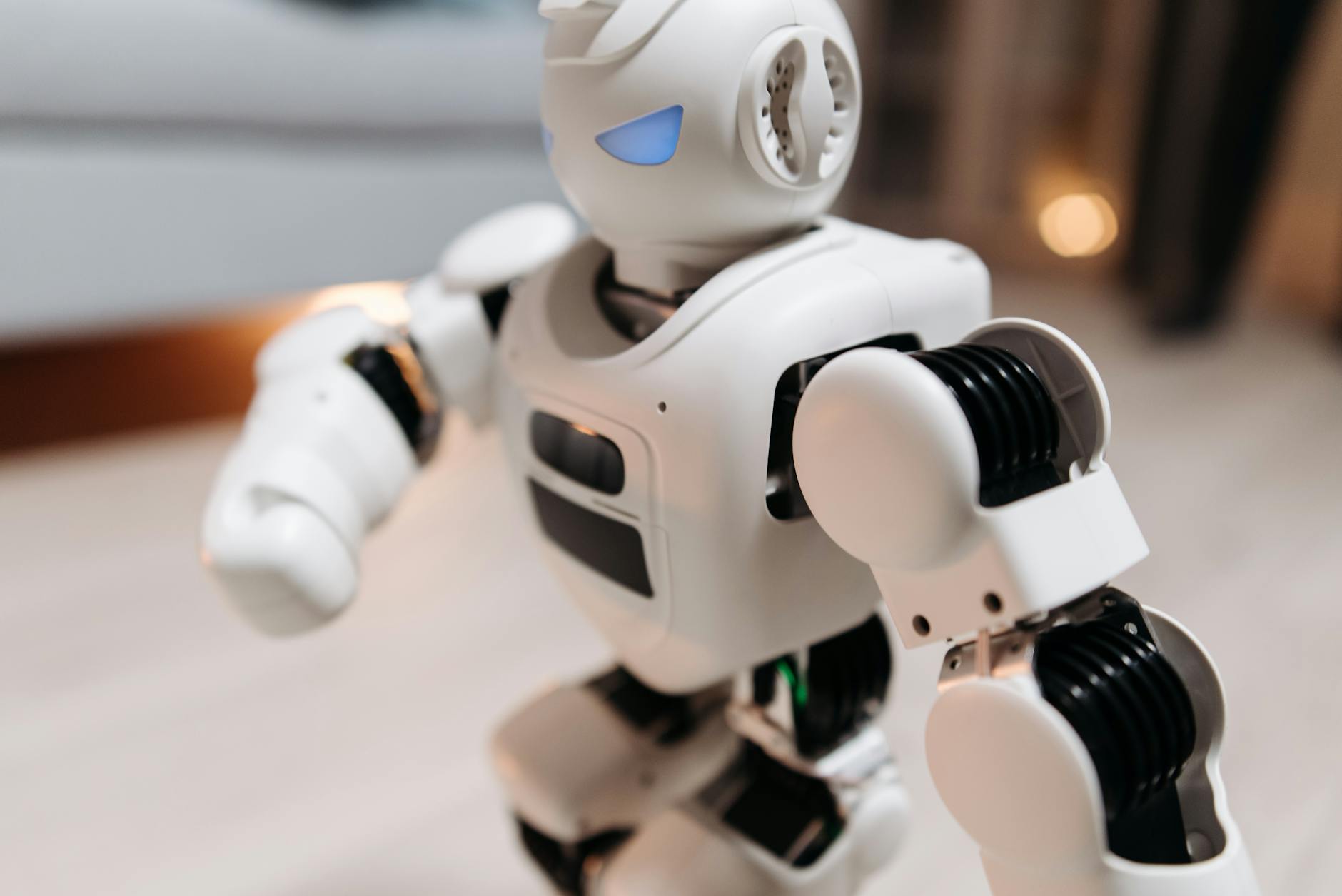
Robotics researchers have long understood that humanoid form factors carry psychological baggage that industrial robot arms do not. When a six-axis arm on a factory line does something dexterous, people register it as mechanical – impressive, perhaps, but clearly a machine doing a machine thing. Put that same movement into a body with a head, two arms, and two legs, and something different happens in the viewer’s brain.
Jonathan Hurst, cofounder of Agility Robotics and a robotics researcher at Oregon State University, describes the problem directly. “People automatically extrapolate and assume that the robot that looks like a person can do all the things that a person who can dance could do – which is not true,” Hurst told Ars Technica. A humanoid robot executing a dance move does not imply that robot can navigate a cluttered kitchen, respond to unexpected obstacles, or hold a screwdriver without crushing the handle. The movement and the general competence are entirely separate things.
This is the anthropomorphism problem, and it does not require anyone to be uninformed or gullible. It is a function of how human pattern recognition works. Faces, upright postures, and bilateral symmetry all cue the same social processing that humans use to read other people. A robot designed to look like a person activates those circuits whether or not the viewer wants it to. The visual language of the human body carries implied meaning – intent, awareness, capability – that the robot has not actually earned.
What Startups Are Selling
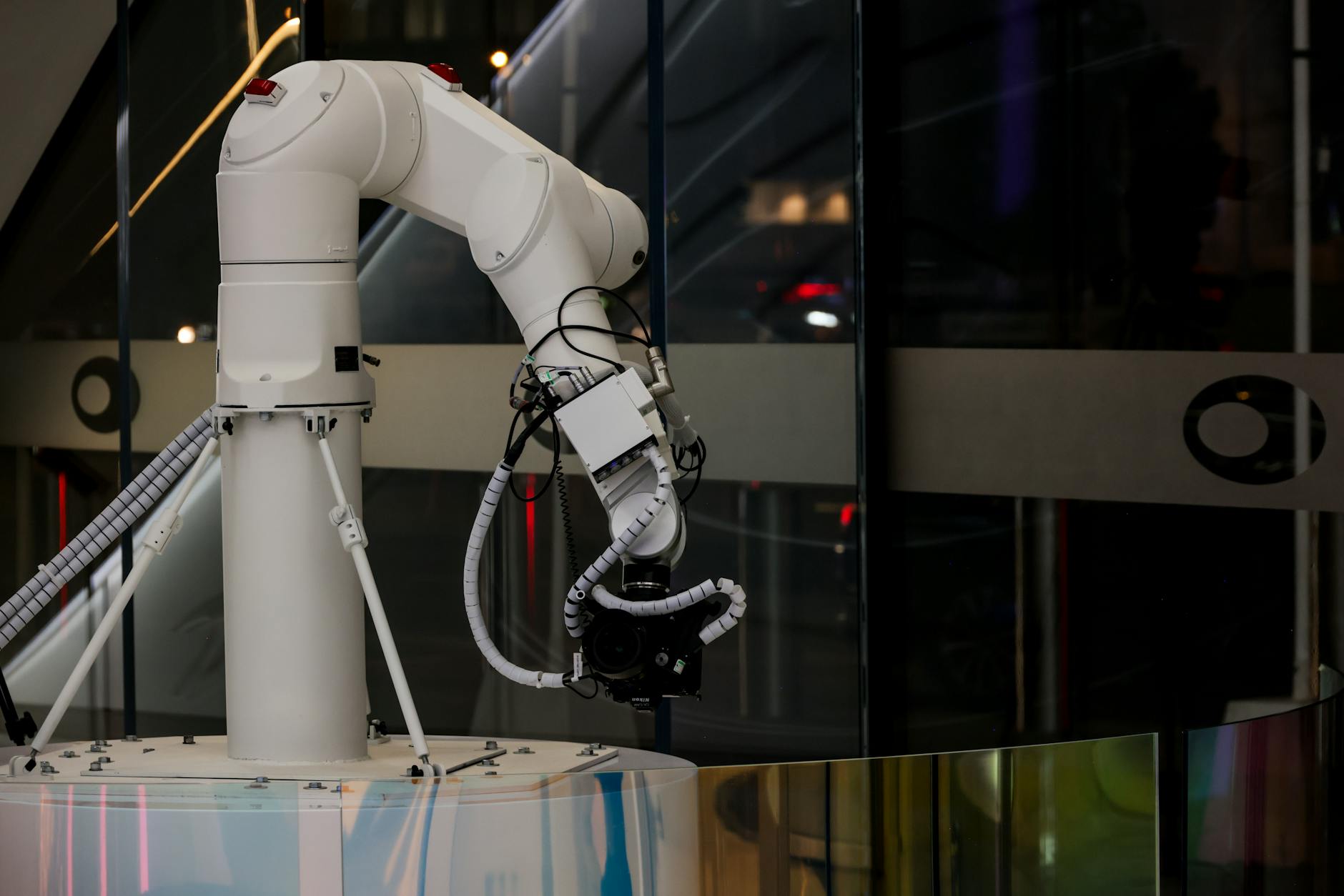
Hurst’s observation goes further than cognitive science. “A lot of the startup companies do kind of prey on that for being able to raise a lot of money,” he said. That is a notable thing for a cofounder of a humanoid robotics company to say – Agility Robotics builds Digit, a bipedal robot currently deployed in warehouse environments – and it points to something structural about how the current generation of robotics investment works.
Demonstration videos are fundraising tools before they are technology showcases. The most striking footage – acrobatics, household chores performed with apparent ease, robots navigating complex terrain – surfaces during funding rounds or ahead of product announcements. What those clips rarely include is data on failure rates, the number of takes required, the degree of human oversight during the run, or how performance changes when the environment shifts even slightly. A robot that can fold one specific shirt on one specific table under controlled lighting is doing something genuinely difficult. It is not doing something general.
Repetition, Reliability, and the Real Test
The standard that actually matters in robotics is not whether a system can perform a task once – it is whether the system can perform that task thousands of times, across varied conditions, without failure rates that make it impractical. This is the threshold that separates a research demonstration from a deployable product, and it is almost never the subject of a viral video.
Current humanoid robots face genuine physical and computational challenges at this level. Grasping objects of different weights, textures, and sizes in unstructured environments is still an area of active research. Locomotion across uneven or unpredictable surfaces – the kind found in any real home or worksite – introduces failure modes that flat-floor demos do not reveal. These are not minor inconveniences being polished away; they are hard problems that researchers across the field are still working through.
None of this means the robots in those videos are fake or that the underlying progress is illusory. Bipedal locomotion has improved dramatically over the past decade, and the gap between research prototypes and functional commercial hardware has narrowed. Agility Robotics has actual warehouse deployments. Other companies are running pilots in logistics and manufacturing environments where the requirements are constrained enough for current systems to perform consistently. That is real. It is just a much smaller and more specific category of “can do” than a viral clip suggests.
The version of humanoid robotics that shows up in funding decks and social feeds is built around the human tendency to fill in blanks – to watch a robot dance and assume it can also vacuum, answer the door, and help an elderly person out of a chair. Hurst’s point is not that progress is slow or that the industry is dishonest across the board. It is that the visual shorthand of the human body is doing argumentative work that the underlying technology has not yet earned the right to claim.
Agility Robotics, for its part, is one of the companies that has moved past pure demonstration into commercial deployment – which makes Hurst’s candor about the fundraising dynamics of the broader industry more pointed, not less. He is not speaking from outside the room.
The next time a humanoid robot video lands in your feed and feels like a glimpse of an arriving future, the more useful question might not be can it do that? but how many times, on which surfaces, with whose hands nearby, and what happened on take seventeen?