




Zero on the Clock, Nothing in the Sky
The countdown hit zero Thursday afternoon at SpaceX’s Starbase facility in South Texas, just north of the US-Mexico border – and then nothing happened. The Starship rocket and its Super Heavy booster stayed firmly on the pad after the automated systems controlling the launch sequence called an abort during the booster’s engine startup phase, cutting off what would have been the vehicle’s next major test flight.
The scrub came after a day of clean preparations. SpaceX had loaded more than 11.5 million pounds of liquid methane and liquid oxygen into the two-stage vehicle – a loading process that had gone without reported issues – before the computers stepped in and pulled the plug. Engineers immediately began draining the propellant tanks, and no rescheduled launch window had been announced as of Thursday evening.
What Actually Failed
The abort was triggered during the Super Heavy booster’s engine startup sequence. Some of the engines did not start as commanded, and the automated launch system responded exactly as it was designed to: it shut everything down. SpaceX has not detailed which specific engines failed to ignite, how many were involved, or whether the issue points to a hardware fault, a software threshold, or something in the fuel delivery system.
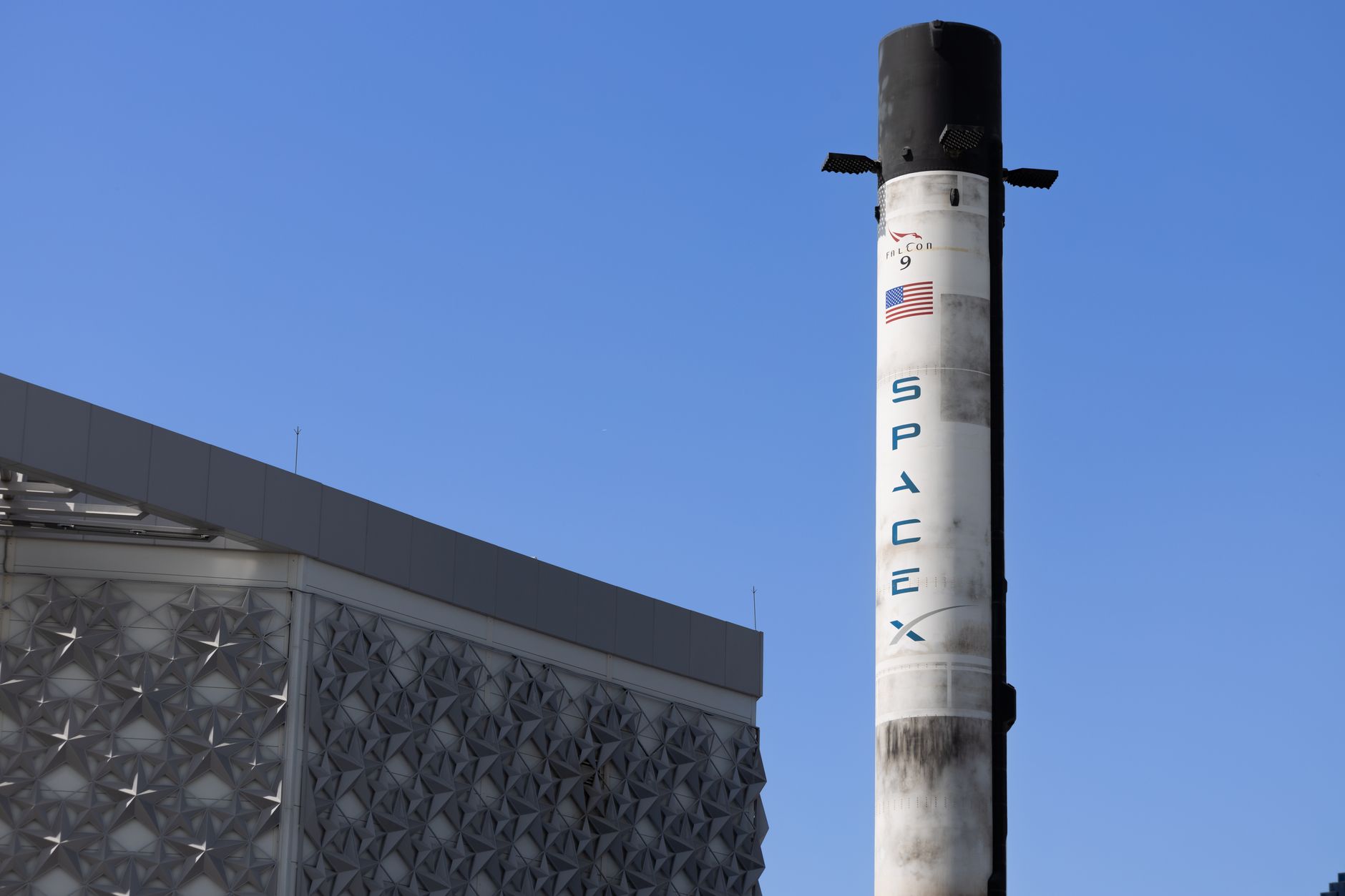
The Starship stack stands more than 400 feet tall – taller than the Statue of Liberty with its pedestal by a wide margin – and it was targeting a liftoff at 5:45 pm local time, which is 6:45 pm EDT and 22:45 UTC. The timing had aligned with weather and range conditions throughout the day, making the engine startup failure the single point of breakdown in an otherwise clean count.
Engine startup sequences on large liquid-fueled rockets involve dozens of tightly choreographed ignition events happening across fractions of a second. On the Super Heavy booster, which runs on SpaceX’s Raptor engines burning liquid methane and liquid oxygen, the startup sequence has to confirm ignition across the full engine cluster before the system commits to liftoff. A failure to confirm that – even on a subset of engines – is enough for the computer to abort. That conservative threshold exists precisely to prevent a partial-thrust liftoff, which would be far more dangerous than staying on the ground.
SpaceX has experienced startup-related scrubs before with Starship, as has virtually every rocket program operating at this scale. The difference here is the sheer mechanical complexity involved: the Super Heavy booster carries 33 Raptor engines, each of which has to behave correctly within a narrow startup window. More engines means more variables, and the abort logic has to account for all of them simultaneously. It is an engineering reality, not a failure of ambition.
The Facility and the Rocket
Starbase sits at the southern tip of Texas, close enough to the Gulf of Mexico that the launch site doubles as one of the more remote industrial facilities in the continental United States. SpaceX built it specifically for Starship development, and the company has been conducting test flights from the site as it works toward making the vehicle fully and rapidly reusable.
The two-stage configuration – Starship on top, Super Heavy below – is the full integrated stack that SpaceX intends to use for missions ranging from satellite deployment to eventual crewed flights. Both stages are designed to return and land after separation, with the Super Heavy catching hardware on the launch tower itself in a system SpaceX calls “Mechazilla.” That catch mechanism has worked on prior flights, which is part of why engine startup reliability at the booster stage matters so much: the whole reusability architecture depends on the vehicle getting off the ground cleanly in the first place.
What Comes Next
SpaceX did not announce a new target date following the scrub. The propellant drain takes time, and any inspection or reconfiguration of the engines – depending on what engineers find – could push the next attempt by days. If the issue is identified quickly and traced to something minor, a 24- or 48-hour turnaround is possible. If the booster needs to come off the pad for work, the timeline stretches considerably.
For a program moving as fast as Starship has been, a scrub is an expected part of the process rather than an alarming detour. The vehicle has flown multiple integrated test flights since its first launch attempt in April 2023, with each flight pushing further into the mission profile. The goal has always been to fly often enough to find problems cheaply, before those problems show up on missions that actually matter.
What Thursday demonstrated, without any ambiguity, is that the computers work. The abort was not a human call made under pressure – it was an automated system doing exactly what it was built to do, cutting off a launch the moment the engine data fell outside acceptable parameters. Whether those parameters were too tight, perfectly calibrated, or pointing at a genuine hardware problem is the question SpaceX’s engineers are now working through, somewhere in a control room on the Texas Gulf Coast, with 11.5 million pounds of propellant slowly draining out of a 400-foot rocket that went nowhere.