




Philadelphia Was the Venue. The Freestyle Was the Point.
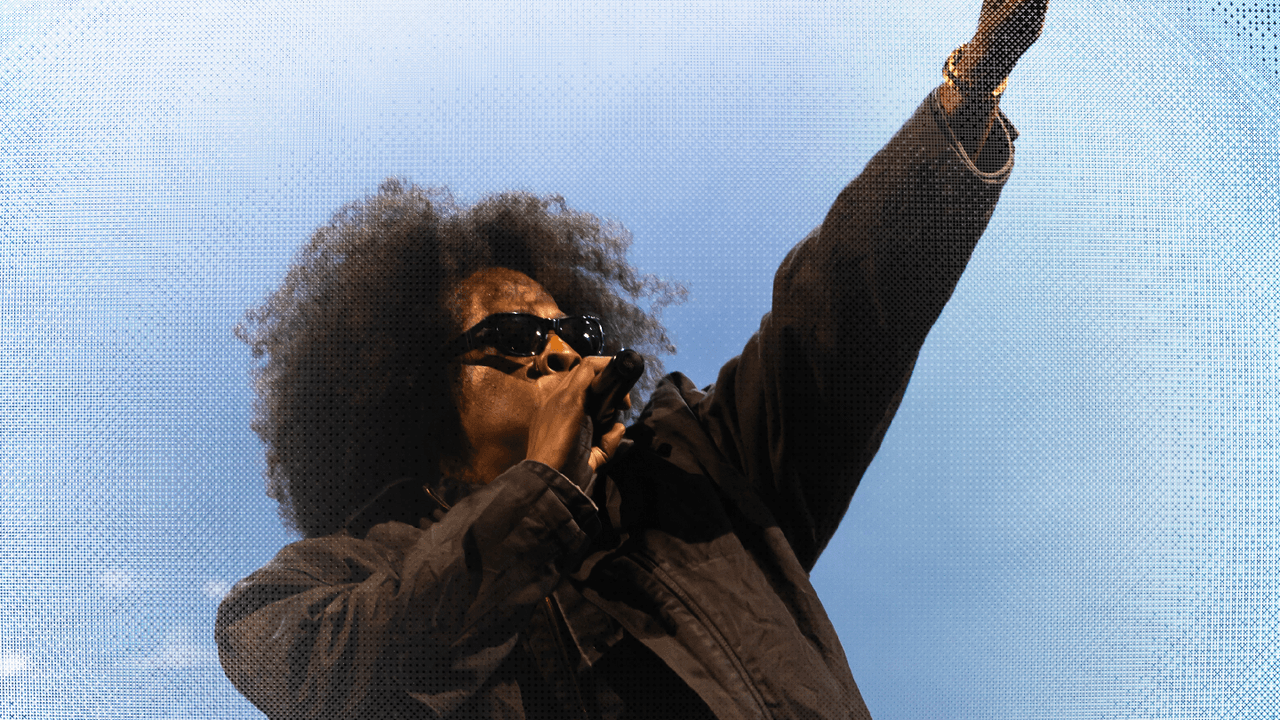
There is a version of this story where Jay-Z shows up at the Roots Picnic in Philadelphia, plays the hits, shakes hands, and goes home. That is not what happened. Instead, the rapper – who has spent the better part of the last decade operating more as a corporate architect than a recording artist – opened his set with a freestyle that functioned less like a warm-up and more like a reckoning, aimed squarely at four years of public tension he had left sitting on the table.
GQ columnist Frazier Tharpe was on the ground for it.
What Tharpe witnessed was a man who built Armand de Brignac, sold half of D’Ussé to Bacardi, turned Tidal into a negotiating chip, and co-founded a sports agency reclaiming the one identity none of those ventures could fully replace.
What Four Years of Unfinished Business Actually Looks Like
When GQ describes the freestyle as a “shot(s)-heard-round-the-world,” the plural matters. This was not a single pointed lyric that could be contextualized away in a press cycle. Jay-Z came to Philadelphia with accumulated weight – four years’ worth – and used the Roots Picnic stage as the place to put it down publicly. The crowd did not get a polished album cut or a rehearsed narrative. They got something rawer and more deliberate than that, which is precisely why Tharpe’s ground-level account reads as significant rather than routine.
The Roots Picnic itself has long functioned as a cultural gathering that rewards credibility over spectacle. It is the kind of event where showing up matters less than how you show up, and where a lazy or uncommitted performance gets measured against a standard the festival’s founders set long ago. Jay-Z, at this stage of his public life, was not an emerging act seeking validation. He was someone with a great deal to reclaim – specifically, the sense that he could still occupy that space on his own terms, as an MC rather than as a brand ambassador for his own catalog.
Addressing four years of unfinished business in a live freestyle is a specific choice. It bypasses the album rollout, the podcast interview, the carefully worded statement. It puts the argument directly in front of an audience with no editing pass between the thought and the room, and it asks the room to weigh in immediately.
The Rapper-Businessman Pendulum
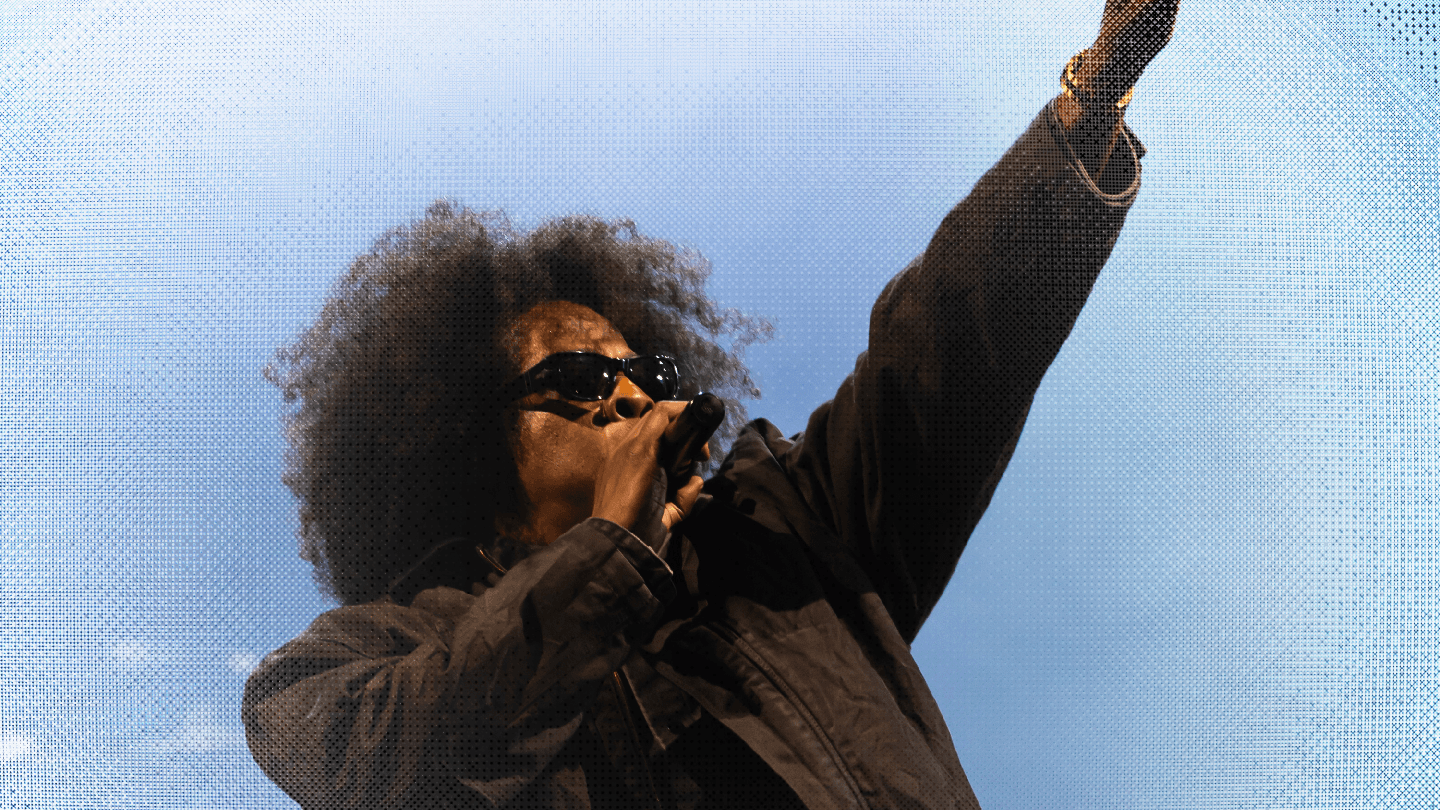
Jay-Z’s arc over the last fifteen-plus years has been covered extensively as a business story – the Armand de Brignac champagne brand, the Bacardi dealings around D’Ussé cognac, the acquisition and eventual sale pressures around Tidal, the formation of Roc Nation Sports. These ventures are real and substantial, and they reframed how the music industry thought about artist ownership and leverage. But the business narrative also had a quiet cost: it gradually pushed the MC version of Jay-Z into a supporting role in his own public image.
That is not unusual for artists who transition into ownership. The language shifts. The profiles shift. The questions asked in interviews shift from craft to capital. What made the Roots Picnic moment notable, according to Tharpe’s reporting, is that Jay-Z appeared to reject that framing – not through a press release, but through the one medium where his original reputation was built and where it cannot be faked for very long.
A freestyle, by definition, is unscripted. It is where the businessman version of Jay-Z offers no cover. Style, at its best, works the same way – what you project under pressure reveals more than what you plan. The Roots Picnic set was not dressed up as a comeback. It was presented as a correction.
Why Philadelphia, Why Now
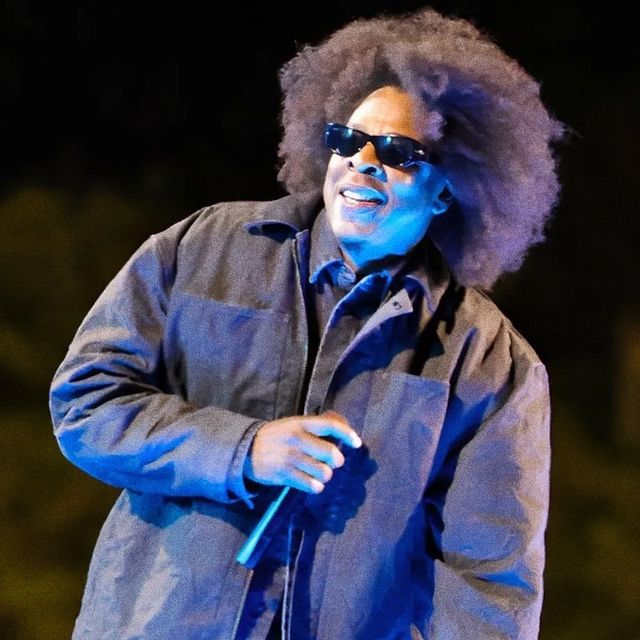
Philadelphia was not a neutral backdrop. The Roots Picnic is Questlove and Black Thought’s event – two figures whose standing in hip-hop is built entirely on artistry and consistency rather than on business portfolios. Performing on that stage carries an implicit context: you are being measured against a very particular standard, and the audience is not there to be impressed by your ventures. Jay-Z stepping into that space to deliver a freestyle addressing four years of personal and professional tension was either a very confident move or a necessary one, and Tharpe’s reporting suggests it landed as the former.
The “stellar” characterization of the set in GQ’s own framing is not a throwaway adjective. It is a critical assessment from a columnist who was present, which means the moment was not just historically interesting – it functioned as a strong performance by conventional measures. Whatever the freestyle addressed, it worked in the room. Philadelphia received it.
What exactly Jay-Z said – the specific targets and specific language of the freestyle – remains the piece of this story most people are parsing. Frazier Tharpe’s ground-level report from Philadelphia carries that answer. The fact that it landed as “shots heard round the world” rather than a single lyric suggests Jay-Z was not interested in being subtle about what four years had built up to.