

The creator economy promised freedom, fame, and fortune. Instead, top influencers are discovering a harsh reality: constant content demands, algorithm pressures, and mental health struggles that traditional careers never prepared them for. As 2026 unfolds, burnout rates among content creators have reached unprecedented levels, forcing many to step back or completely reinvent their digital presence.
Platform fatigue, audience expectations, and the relentless pace of viral culture have created a perfect storm. What once seemed like the ultimate dream job has become a 24/7 grind that’s claiming casualties across every major social media platform.
1. The 24/7 Content Cycle Is Breaking Creators
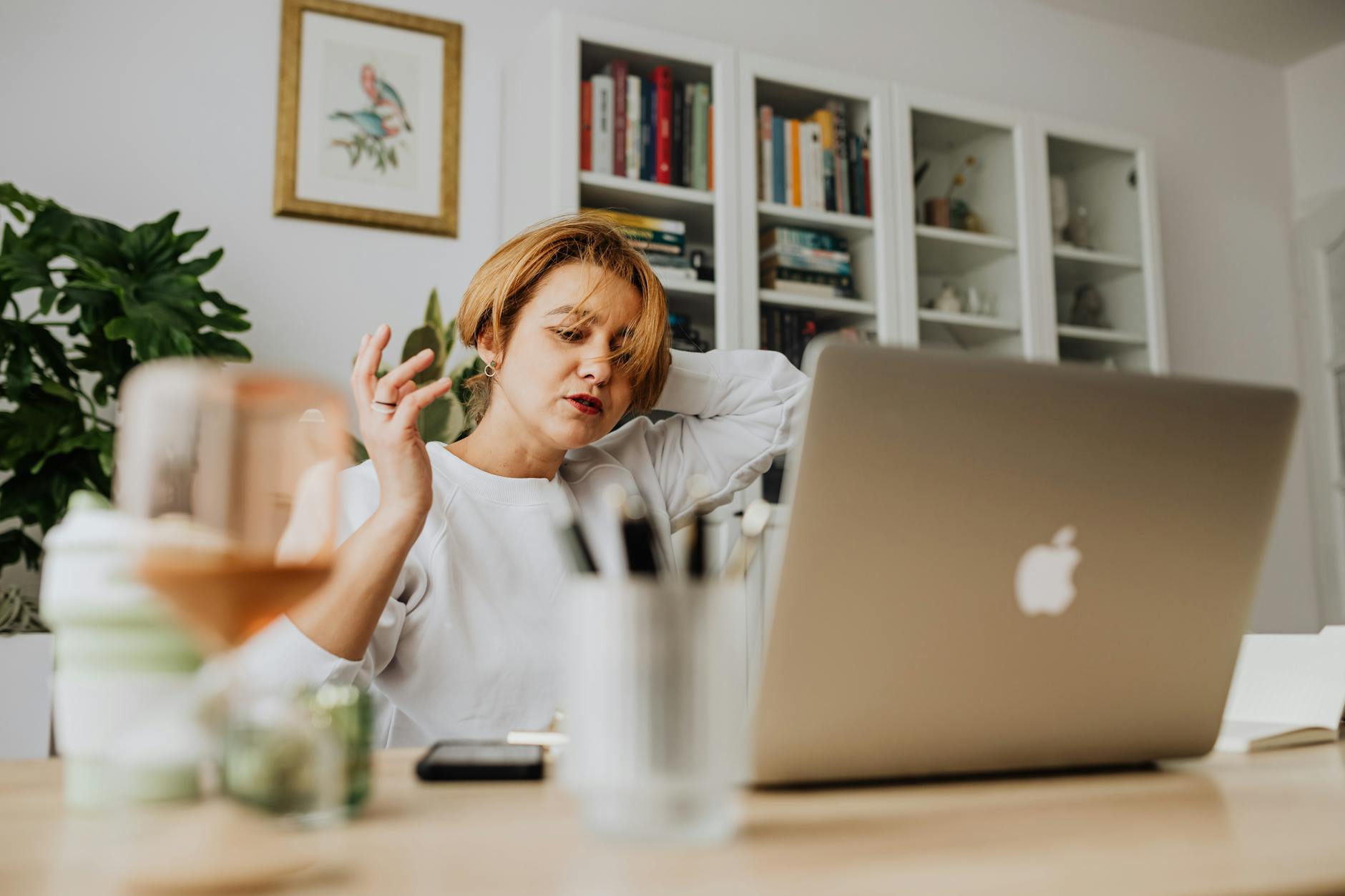
Social media algorithms reward consistency above all else. Creators who built massive followings now find themselves trapped in an endless cycle of daily posts, stories, and engagement. The pressure to maintain relevance means vacation days don’t exist, and sick days can tank engagement metrics for weeks.
Top YouTube creators report averaging 14-hour workdays to produce, edit, and promote content across multiple platforms. TikTok’s algorithm particularly punishes creators who take breaks, often requiring weeks of consistent posting to regain previous reach levels. This constant demand has created a culture where rest equals career suicide, pushing many creators toward physical and mental exhaustion.
2. Algorithm Changes Are Devastating Established Creators
Platform algorithm updates can destroy years of audience-building overnight. Instagram’s shift toward Reels devastated photography-focused creators. YouTube’s changing monetization requirements have left educational channels struggling. TikTok’s mysterious algorithm adjustments have caused creators with millions of followers to suddenly receive single-digit views.
These sudden changes force creators to completely pivot their content style or risk obsolescence. Many report feeling like they’re constantly chasing platforms that don’t value creator loyalty. The unpredictability has created anxiety disorders among creators who’ve built their entire income around algorithms they can’t control or predict.
3. Parasocial Relationships Are Emotionally Draining
Successful creators develop intense one-sided relationships with millions of followers who feel personally connected to them. Fans expect constant access, immediate responses, and personal details about creators’ lives. This parasocial dynamic creates emotional labor that traditional entertainers never experienced.
Creators report feeling guilty for setting boundaries, taking vacations, or having bad days publicly. The pressure to be “always on” and perpetually positive has led to anxiety, depression, and identity crises. Many describe feeling like they’re performing their own lives rather than living them authentically.
4. Revenue Instability Is Causing Financial Stress
Creator income fluctuates wildly based on algorithm changes, brand partnership availability, and audience engagement. Unlike traditional jobs with steady paychecks, creators face massive income swings that make financial planning nearly impossible. A viral month might generate six figures, followed by months of barely covering basic expenses.
Platform revenue sharing has also decreased across major sites. YouTube’s ad revenue per view has declined, brand sponsorship rates have plateaued, and new monetization features often favor newer creators over established ones. This instability forces creators to constantly diversify income streams, adding pressure to an already overwhelming workload.
5. Mental Health Resources Are Inadequate
The creator economy lacks traditional workplace mental health support systems. Creators work in isolation without HR departments, employee assistance programs, or colleagues to share experiences. Many report feeling uniquely misunderstood by traditional therapists who don’t grasp the specific pressures of online fame.
Support groups for creator burnout are emerging, but resources remain limited compared to the scale of the problem. The stigma around admitting struggles publicly also prevents many creators from seeking help, fearing it could damage their brand or audience perception.
6. Audience Expectations Have Become Unrealistic
Successful creators face impossible standards from their audiences. Fans expect constant innovation, immediate responses to current events, and personal vulnerability while simultaneously demanding consistent entertainment value. The pressure for instant opinions has even transformed traditionally thoughtful fields like literary criticism, where creators feel forced to produce rapid-fire content rather than considered analysis.
Any perceived misstep can result in mass unfollowing, harassment campaigns, or career-ending controversies. This environment has created hypervigilance among creators who constantly self-censor and second-guess their content, leading to creative stagnation and anxiety disorders.
7. Physical Health Is Suffering From Sedentary Lifestyles
Content creation typically involves hours of sitting, staring at screens, and poor ergonomics. Gaming streamers, beauty creators, and educational content producers report chronic back pain, eye strain, and repetitive stress injuries. The pressure to maintain appearance on camera while working extended hours has also led to eating disorders and sleep deprivation.
Many creators skip meals, exercise, and basic self-care to meet content deadlines. The irony isn’t lost that influencers promoting wellness brands often struggle with their own physical health due to their work demands.
8. The Solution: Creators Are Setting New Boundaries
Forward-thinking creators are beginning to establish healthier practices. Some are implementing content schedules that include mandatory break days, hiring teams to handle social media management, and being transparent with audiences about their mental health needs. Others are diversifying beyond social media into traditional media, product lines, or consulting roles.
The most successful pivots involve creators acknowledging their limitations publicly and setting realistic expectations with their audiences. This transparency, while initially risky, often strengthens fan loyalty and creates more sustainable career paths. The creator economy is slowly evolving to recognize that sustainable content creation requires treating it like the business it has become, complete with proper work-life balance and mental health support.
The burnout crisis hitting top influencers reflects broader workplace mental health issues amplified by the unique pressures of public-facing digital careers. As the industry matures, both platforms and creators are beginning to recognize that sustainable success requires acknowledging the human cost of constant content creation.
Frequently Asked Questions
What causes creator burnout?
Constant content pressure, algorithm changes, parasocial relationships, income instability, and lack of traditional workplace support systems contribute to creator burnout.
How are creators addressing burnout?
Many are setting boundaries, hiring teams, being transparent about mental health, and diversifying income beyond social media platforms.