




The clank of armor echoes across a dusty field as Sir William adjusts his chainmail before facing his opponent. Nearby, children in flower crowns giggle while learning traditional English country dances. Welcome to the modern Renaissance faire, where millennials are bringing their families to experience a different kind of weekend entertainment that swaps screens for swords and Instagram for immersive storytelling.
What started as niche historical reenactments in the 1960s has transformed into a booming cultural phenomenon attracting young families seeking authentic experiences. The Renaissance Entertainment Corporation reports that attendance at major Renaissance faires across the United States has grown by 35% since 2019, with millennials representing the largest demographic shift. These aren’t just costume parties – they’re elaborate theatrical experiences where visitors step into carefully crafted historical worlds complete with artisan demonstrations, period music, and interactive storylines.
The appeal extends beyond mere novelty. Parents who grew up with fantasy films like “The Lord of the Rings” trilogy and shows like “Game of Thrones” are now introducing their children to similar medieval aesthetics in a family-friendly environment. The Texas Renaissance Festival, one of the largest in the country, has expanded its programming to include more educational workshops and family-oriented activities, recognizing that today’s visitors want depth alongside entertainment.
From Counterculture to Family Culture
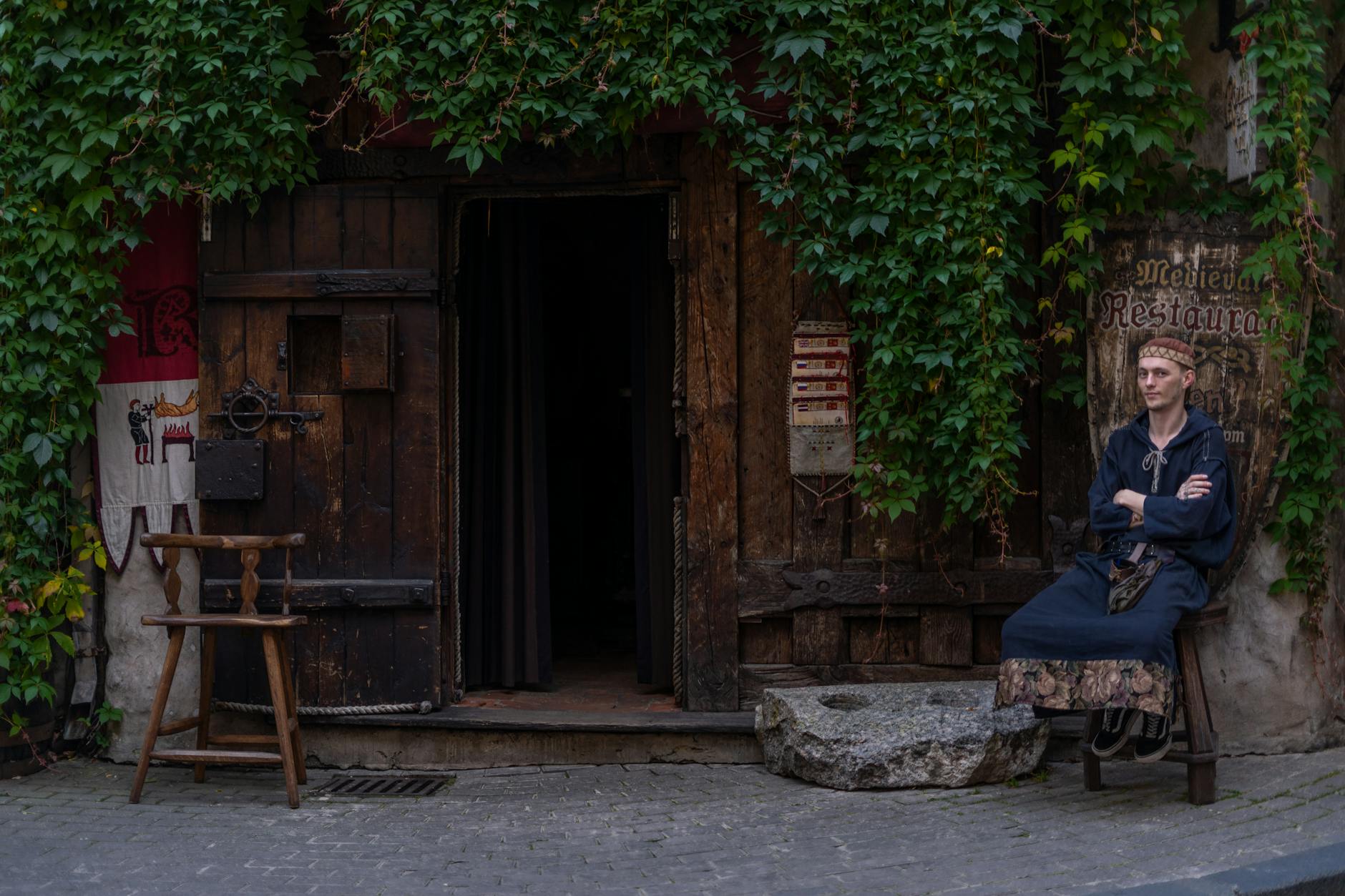
The original Renaissance faire movement emerged from 1960s counterculture, but today’s version has evolved into something distinctly mainstream. Modern faires blend historical accuracy with accessible entertainment, creating spaces where families can engage with craftsmanship, storytelling, and community in ways that feel increasingly rare in digital-first society.
The Scarborough Renaissance Festival in Texas has introduced “Family Quest” programs where children complete challenges throughout the day, learning about medieval trades while earning rewards. These interactive elements transform passive observation into active participation, appealing to parents who prioritize experiential learning over traditional entertainment consumption.
Social media has paradoxically fueled interest in these analog experiences. Instagram and TikTok are filled with faire content, from elaborate costume tutorials to behind-the-scenes glimpses of artisan work. The visual appeal of Renaissance faires translates perfectly to social platforms, creating a feedback loop where online engagement drives real-world attendance.
The Artisan Economy Revival
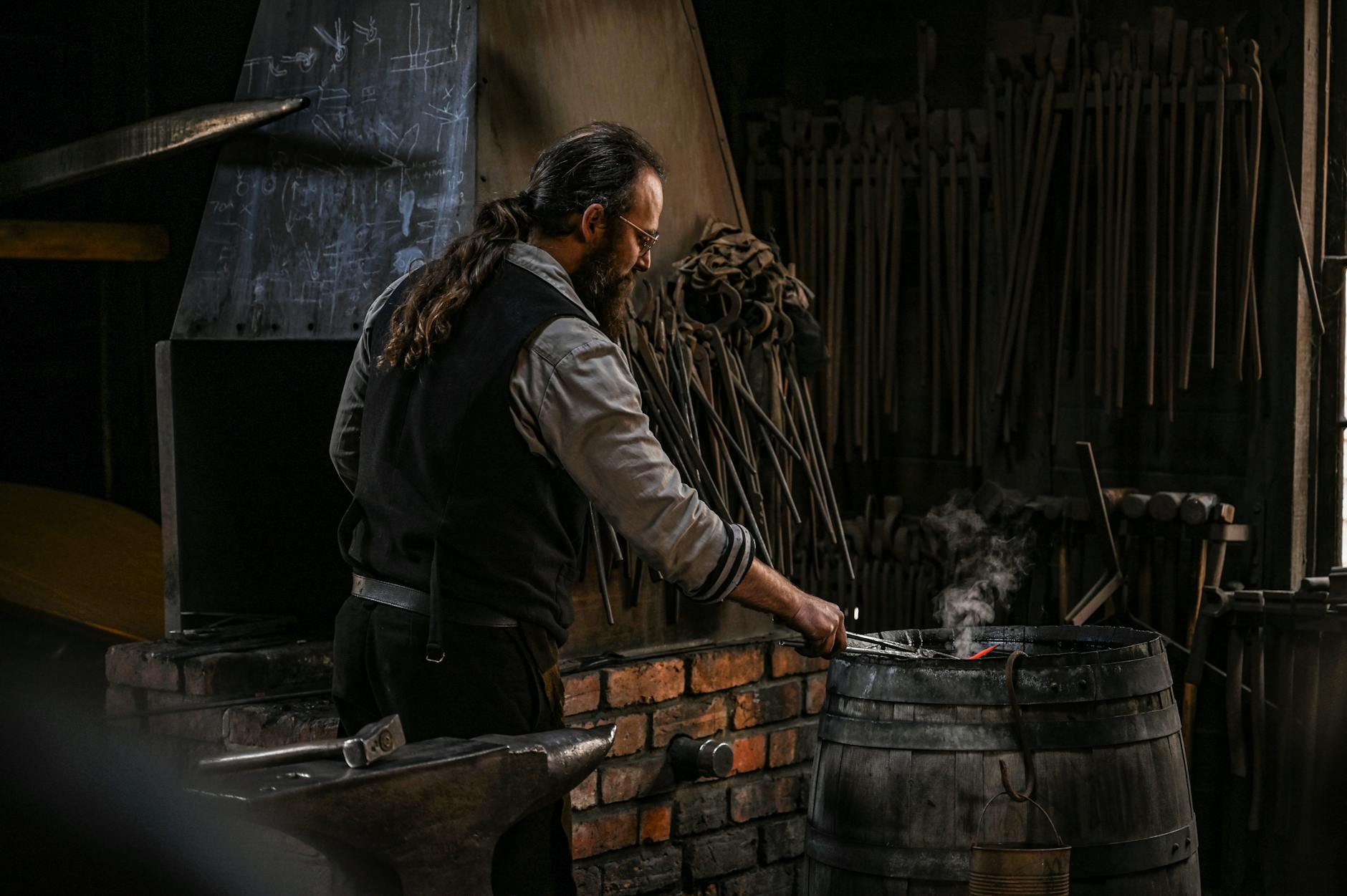
Beyond entertainment, Renaissance faires have become showcases for traditional crafts experiencing their own revival. Blacksmiths, glassblowers, leather workers, and textile artists find eager audiences among millennial parents interested in handmade goods and sustainable consumption practices.
At the Northern California Renaissance Faire, artisan alley features craftspeople demonstrating techniques largely unchanged for centuries. These aren’t museum displays – visitors can commission custom pieces, from hand-forged jewelry to wooden toys. The faire environment allows artisans to educate customers about their processes while building direct relationships with buyers who value craftsmanship over mass production.
This emphasis on handmade goods aligns with broader millennial preferences for authentic, sustainable products. Unlike vinyl record listening parties replacing house parties, Renaissance faires offer spaces where traditional skills remain vibrant and commercially viable. Young families leave with purchases that support individual artisans while providing children with toys and clothing that contrast sharply with typical mass-market alternatives.
The educational component proves particularly appealing to parents seeking alternatives to screen-based learning. Children watch blacksmiths shape hot metal, observe potters work clay wheels, and participate in traditional games that require physical coordination and social interaction.
Community Building Through Shared Fantasy
Regular faire attendees often develop ongoing personas and storylines that continue across multiple events throughout the season. This community aspect attracts families looking for deeper social connections beyond typical suburban interactions. The shared fantasy environment breaks down usual social barriers, enabling conversations and friendships that might not emerge in conventional settings.
Many faires now offer season passes and camping options, creating multi-day experiences that resemble music festivals but with family-friendly programming. The Maryland Renaissance Festival’s camping community has grown significantly, with families returning annually to reconnect with friends made in previous years.
The role-playing element provides children with opportunities to explore different identities and practice social skills in safe environments. Unlike video game interactions, faire role-playing requires face-to-face communication, improvisation, and collaboration with strangers who share the fantasy framework.
These communities often extend beyond faire seasons through social media groups and local meetups. Costume-making becomes a year-round hobby, with parents and children collaborating on increasingly elaborate outfits that reflect growing investment in the community.
The Educational Entertainment Balance
Modern Renaissance faires increasingly emphasize historical accuracy alongside entertainment value. Educational programming covers topics from medieval agriculture to Renaissance art techniques, providing learning opportunities that complement traditional classroom education.
The Bristol Renaissance Faire in Wisconsin partners with local schools to offer educational group visits during weekdays, demonstrating historical trades and social structures through interactive presentations. These programs align with curriculum standards while providing memorable learning experiences that students discuss long after returning to school.
Historical accuracy efforts benefit from growing scholarly interest in medieval and Renaissance periods. Faire organizers consult with historians and archaeologists to improve authenticity in everything from architectural details to cooking demonstrations. This academic foundation elevates faires beyond simple entertainment, positioning them as cultural institutions preserving and transmitting historical knowledge.
The combination of entertainment and education appeals to millennial parents who seek enriching experiences for their children. Rather than passive consumption, faires offer active engagement with history, arts, and community building.
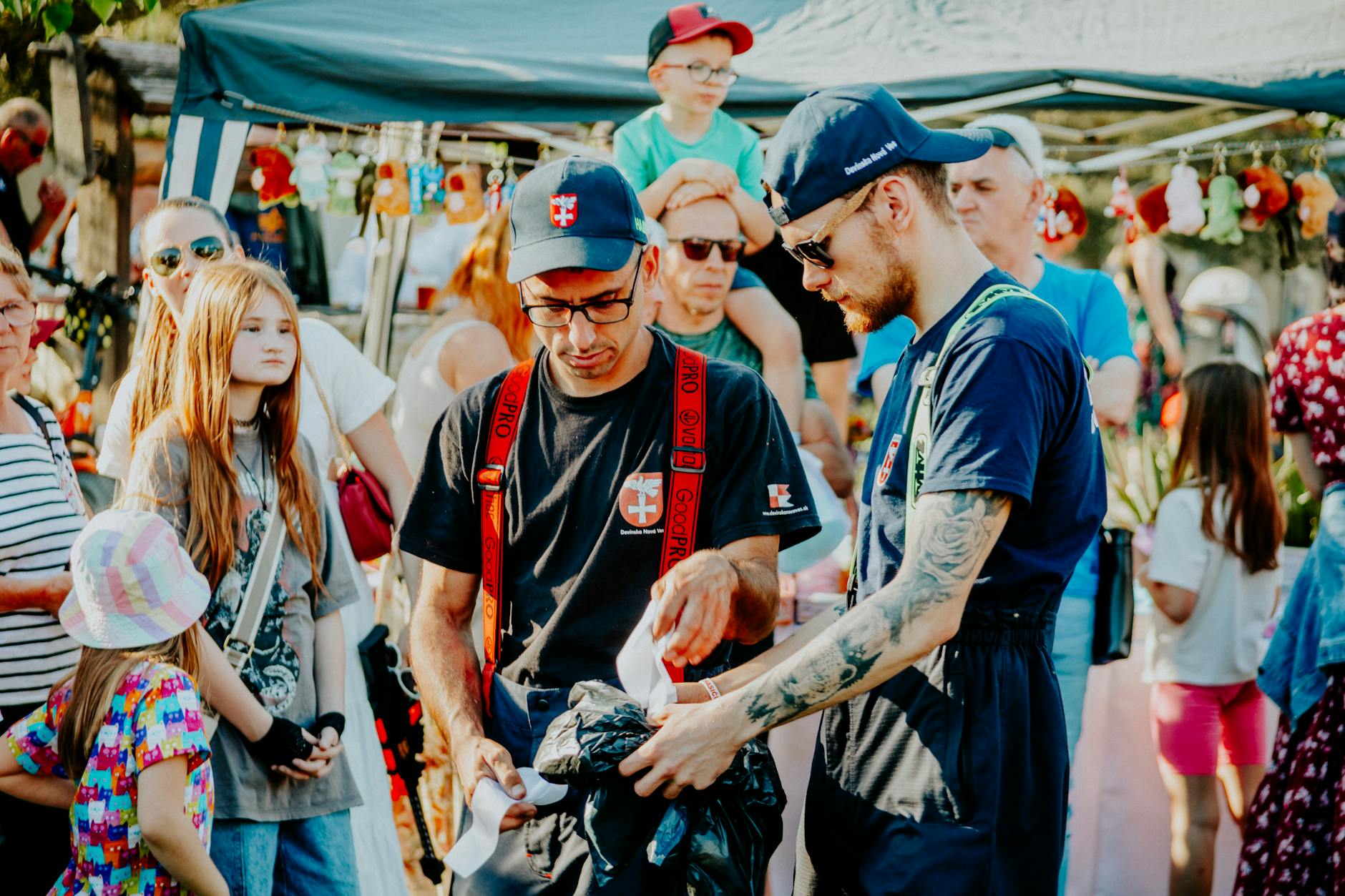
As Renaissance faires continue expanding their programming and geographic reach, they’re positioned to become permanent fixtures in American family entertainment. The success of established faires has inspired new events in previously underserved regions, bringing medieval magic to communities across the country. With millennials prioritizing experiences over possessions and seeking alternatives to digital entertainment for their children, the Renaissance faire revival shows no signs of slowing down.
Frequently Asked Questions
What makes Renaissance faires appealing to millennial parents?
They offer authentic experiences, educational value, handmade goods, and community building that contrasts with digital entertainment.
Are Renaissance faires historically accurate?
Modern faires increasingly emphasize historical accuracy, consulting with scholars and archaeologists to improve authenticity while maintaining entertainment value.