



A Medieval Uprising With Something to Hide
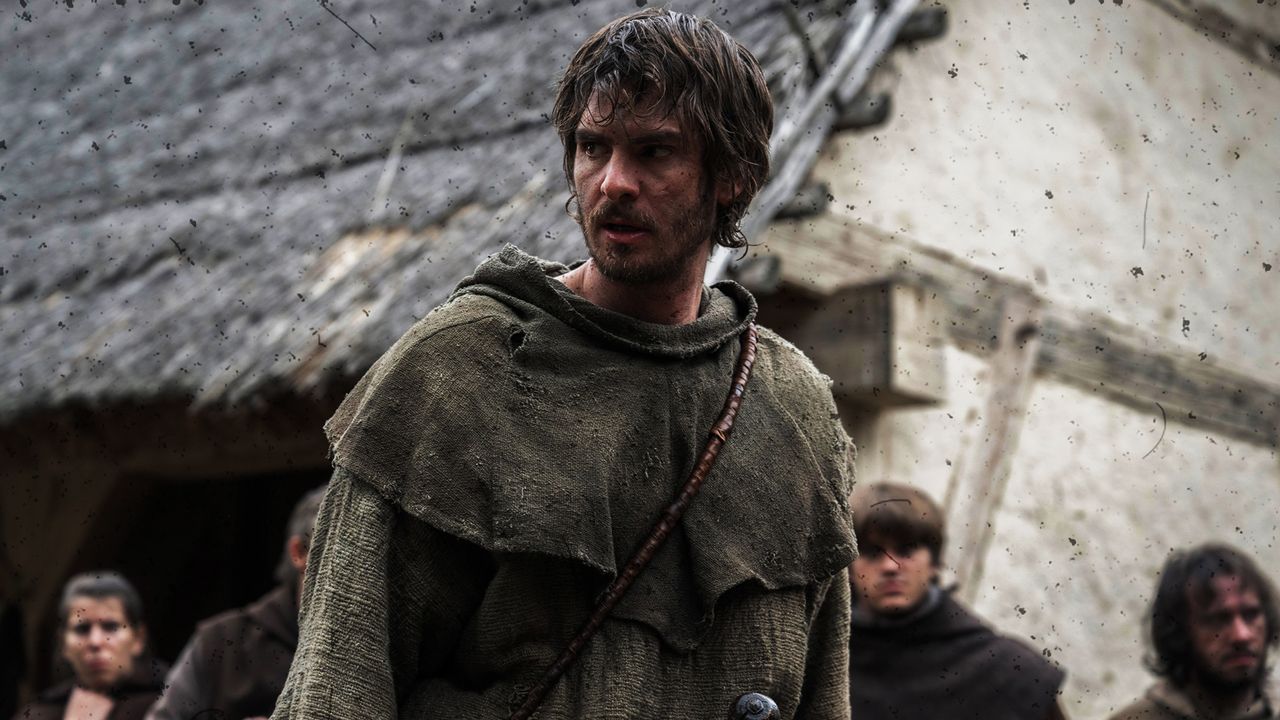
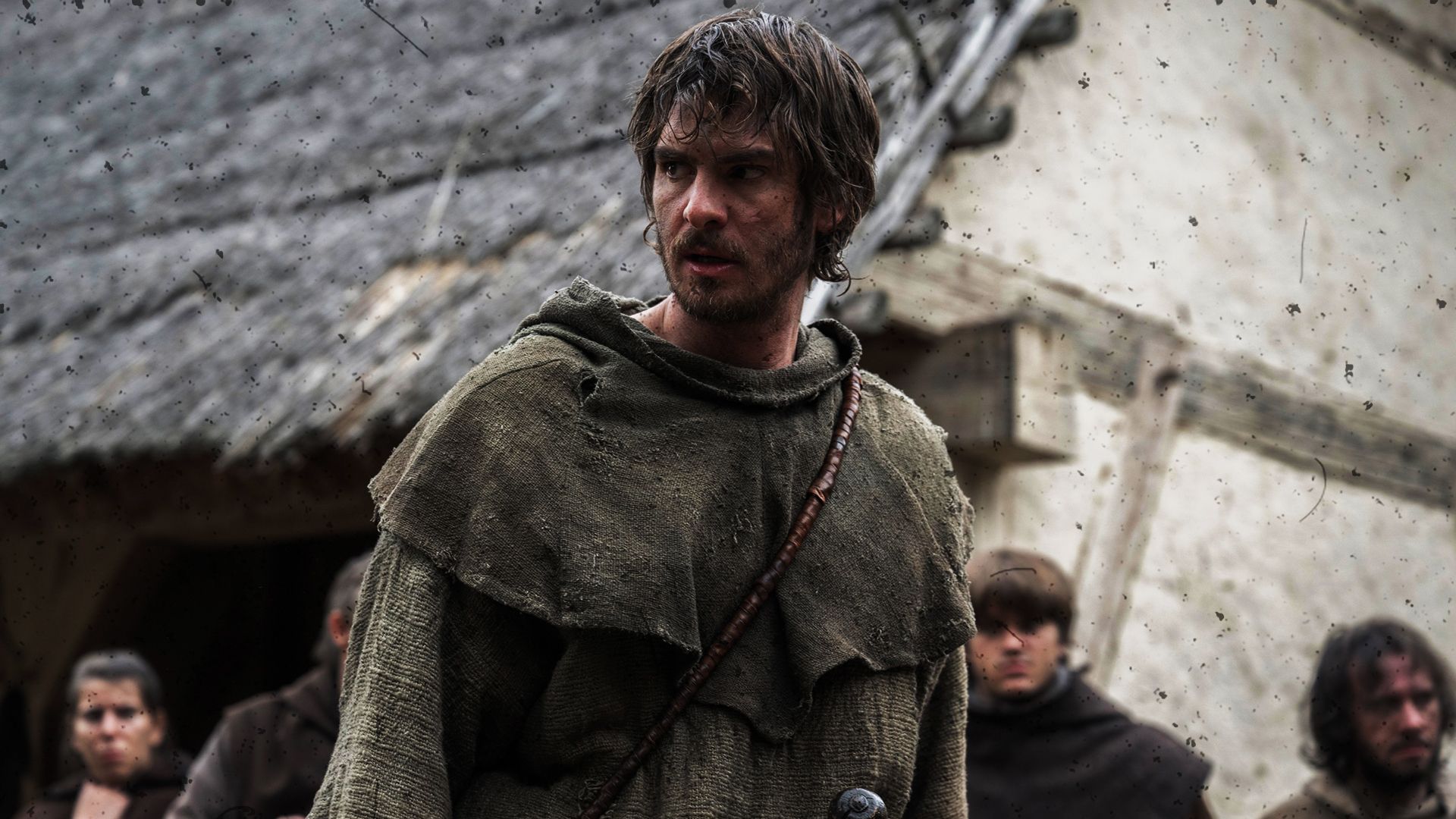
Paul Greengrass is directing a drama about the English Peasants’ Revolt of 1381, starring Andrew Garfield – and that much is confirmed. What the production has been less forthcoming about is whether the film, titled The Uprising, is quietly building toward something far more mythologically loaded: a Robin Hood origin story dressed up in peasant linen and genuine historical grievance.
The suspicion didn’t emerge from a trailer or a studio press release. It came from a cluster of social-media posts that have since been deleted, which is either routine production-secrecy housekeeping or exactly the kind of thing that makes people look harder at what’s being concealed.
What the History Actually Gives You
The Peasants’ Revolt of 1381 is not obscure, but it is underused in popular culture relative to its drama. English serfs, exhausted by feudal taxation and emboldened by post-plague labor scarcity, marched on London under leaders including Wat Tyler. They briefly occupied the city, burned the Savoy Palace, and extracted a meeting with the teenage King Richard II before the revolt was suppressed and its leaders executed. The “eat-the-rich” energy of the moment is about as literal as medieval history gets.
Robin Hood, in the versions most people carry around in their heads, lives in that same political atmosphere – Nottinghamshire, corrupt sheriffs, wealth hoarded by nobility while the countryside starves. Scholars have long placed various Robin Hood ballads in and around the late 14th century, which means the chronology of a 1381-set film and a Robin Hood backstory don’t just coexist – they fit together without forcing anything.
Garfield’s casting adds another layer of intrigue. He’s played mythologized figures before, most recently in ways that rewarded audiences for paying attention to what wasn’t said on screen. If The Uprising is staging the revolt as a formative event for a character who will eventually become Nottingham’s most famous outlaw, the 1381 setting gives that arc more historical scaffolding than any version of the Robin Hood story has previously bothered to use.
Deleted Posts and What They Suggest
The deleted social-media posts are doing a lot of inferential work here, and that’s worth acknowledging plainly.
Productions kill posts for mundane reasons – image rights, spoiler-management, marketing calendar changes. But when a film with an already opaque premise suddenly scrubs content that apparently suggested a connection to one of England’s most recognized folk heroes, the deletion itself becomes part of the story. Greengrass is not a director associated with franchise maneuvering; his filmography runs toward fact-based political drama and tense, kinetic historical reconstruction. A Robin Hood angle would be a meaningful departure from United 93 and Captain Phillips, which makes it either more surprising or more deliberate depending on how you read his career at this stage.
The Robin Hood Industry Has Been Waiting for Reinvention
The last decade has not been generous to Robin Hood on screen. Ridley Scott’s 2010 version starring Russell Crowe attempted exactly this kind of gritty origin reframing and landed with a thud commercially and critically. The 2018 film with Taron Egerton went the opposite direction – heightened, anachronistic, visually loud – and fared worse. The character has been trapped between two failed modes, neither of which trusted the period itself to generate tension.
What Greengrass and Garfield would bring, if the Robin Hood reading is accurate, is an approach grounded in documentary texture rather than spectacle. Greengrass shoots with a restlessness that makes historical events feel unsettled and immediate rather than costumed and resolved. Applied to 1381, that style could produce something that functions as both real history and folk-legend mythology simultaneously – the revolt as the crucible, the outlaw as the survivor.
The political valence of that story in the current moment requires no elaborate explanation. A film about peasants storming the estates of a hoarding aristocracy, framed through a character who becomes a symbol of redistribution by force, carries its context with it automatically. Whether Greengrass intends to lean into that or let audiences do the reading themselves is, at this point, unknown.
That is, assuming the Robin Hood connection is real at all, and not a pattern that a few deleted posts and a historically convenient setting conspired to produce in the minds of people who badly want the character to get a proper film.

What’s confirmed: Garfield, Greengrass, 1381, The Uprising. What’s gone: the posts that apparently said more. What remains is a production that has now generated more conversation by going quiet than it ever did by speaking.