





Winning, With Reservations
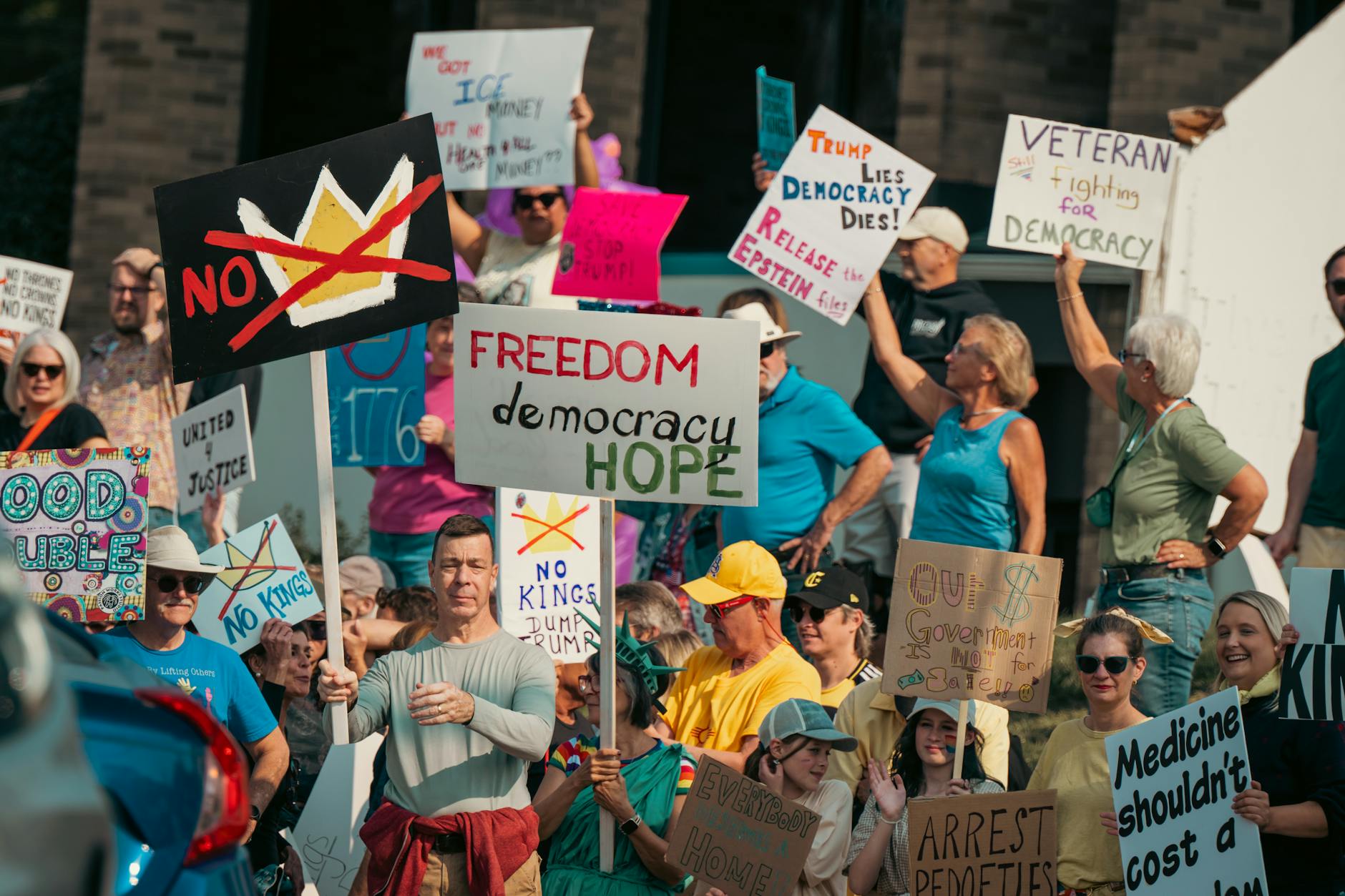
Donald Trump’s approval rating has sunk to historic lows, and November’s midterms are shaping up as a referendum on his presidency – yet many Democrats are approaching the prospect of reclaiming the House, and possibly the Senate, with something closer to dread than celebration.
The Approval Rating That Should Be a Gift
A president’s approval rating at historic lows is, by any conventional political calculus, a windfall for the opposition party. Midterm elections have long functioned as a national mood ring – voters use them to register frustration, and when a sitting president is deeply unpopular, the out-party typically rides that current. The structural conditions heading into November look, on paper, like a Democratic advantage that would have seemed implausible even two years ago.
Trump’s numbers create the kind of political opening that opposition strategists spend years waiting for. Disapproval this deep, sustained across months rather than spiking in response to a single event, tends to produce wave-like conditions in House races. Suburban districts that flipped in 2018 become easier to hold. Marginal seats in states that haven’t leaned Democratic in a decade start appearing on the board. The math, at least the straightforward version of it, tilts toward gains – potentially significant ones, across both chambers.
The New Yorker’s Washington Roundtable, recorded live, put this tension at the center of its latest episode. The premise sounds almost paradoxical: why would a party feel anxious about winning? The question is worth sitting with, because the anxiety Democrats are expressing isn’t performative caution or the superstitious refusal to count votes before they’re cast. It reflects a genuinely complicated calculation about what power, gained in this specific political moment, would actually mean.
Winning the House would hand Democrats subpoena power, committee gavels, and a public platform to investigate the administration in ways the minority simply cannot. Those are not small things. But they come bundled with obligations – a governing record to defend, a budget process to engage, and a president who has demonstrated a consistent ability to shift blame onto whoever shares institutional responsibility with him. Owning one chamber, or even two, does not mean owning the agenda.
The Trap Inside the Trophy
The specific shape of Democratic anxiety is worth unpacking. It isn’t uniform, and it doesn’t come from one wing of the party. Moderate Democrats in competitive districts worry about overreach – that a newly empowered House majority would move faster than their constituents want on issues that didn’t drive their wins. Progressive Democrats worry about the opposite: that a majority built on suburban swing voters would spend two years proving it can be responsible and bipartisan, burning the clock on structural change. Both anxieties are real. They just point in different directions.
There’s also the question of what a Democratic Senate majority would look like given the map. The seats up in November aren’t uniformly favorable. Holding or flipping enough to reach 51 requires winning in states where the party’s national brand is a liability, not an asset. A senator from a purple or red-leaning state who just survived a difficult race is not going to cast votes that make her next campaign harder. Any majority assembled from that kind of coalition would be, by design, a narrow and internally constrained one.
Then there is the matter of 2026. A party that wins in November becomes the party that owns the next two years of governance – including whatever economic conditions, foreign policy developments, or domestic crises arrive between now and then. If those conditions are bad, the majority absorbs the blame regardless of which branch is actually driving policy. Trump, a practiced deflector, would have a readymade target. Democrats have watched this movie before: 2010 was a catastrophic midterm loss for a party that had spent two years governing during a financial crisis they inherited but couldn’t fully escape politically.
The roundtable’s framing – a live Washington conversation that treats the backlash midterms as a complicated gift rather than a simple opportunity – captures something that gets lost in horse-race coverage. Elections are usually discussed in terms of who wins and by how much. Less attention goes to what winners are actually inheriting, and whether the prize comes with strings that complicate the victory before the new members are even sworn in.
For Democrats, the strings are visible and knotted. Winning the House means two years of high-profile oversight that will energize the base but also give the White House a foil. Winning the Senate means confirming or blocking appointments, which sounds straightforward until the math of a thin majority meets the reality of a handful of members who won in states Trump carried. The gap between flipping chambers and governing effectively is, historically, wider than it looks from the outside.
A Backlash With Conditions
What the roundtable surfaces, and what the polling environment around Trump’s historic approval lows reinforces, is that backlash politics carry their own internal logic that isn’t always friendly to the backlash’s beneficiaries. Voters expressing frustration with a president are registering a feeling, not issuing a governing mandate. The party that catches that energy still has to decide what to do with it – and in a divided country where the majority coalition is itself divided, that decision has no clean answer.

The last time Democrats held the House majority, they spent significant energy on investigations and impeachment proceedings while also passing legislation that never cleared the Senate. The base considered it insufficient. Swing voters considered it excessive. Neither group was entirely wrong. The broader political environment around Trump keeps producing moments that demand a response, then punish whatever response comes. Winning more seats in November puts more Democrats in that position – closer to power, closer to accountability, and no closer to a clear path through it.