





When Nature Discovers Neon Plastic
A study published in Royal Society Open Science has confirmed what anyone who has dropped a bottle cap near a bowerbird might have suspected: these birds are actively choosing human-made objects over natural ones to decorate their mating structures, and urban environments are accelerating that preference dramatically.
The Architecture of Attraction
Male great bowerbirds construct elaborate tunnel-shaped structures from twigs – the bowers that give the species its name – and then spend considerable effort sourcing decorative items to scatter around the entrance. When a female arrives to inspect, the male tosses his most visually striking objects toward her and displays his plumage in a kind of curated performance. The bower is, functionally, a showroom. Every item in it is there because the male decided it belonged.
University of Exeter researchers monitored 61 male great bowerbirds across two sites in northern Queensland during the peak breeding season, which runs from September through December 2023. One site was the rural Dreghorn Cattle Station. The other was urban Townsville City. The geographic split was intentional – it allowed the team to directly compare decoration choices made by birds with different levels of access to human-produced materials.
To document what each bird had collected, researchers photographed bower decorations from above using both visible light and UV light, placing an umbrella overhead to produce diffuse, consistent lighting. That UV component matters because great bowerbirds can see into the ultraviolet spectrum – a range of the visual world that is entirely invisible to humans. A pale green glass shard and a candy wrapper might look similar to us; to the bird making the selection, they could register as entirely different objects.
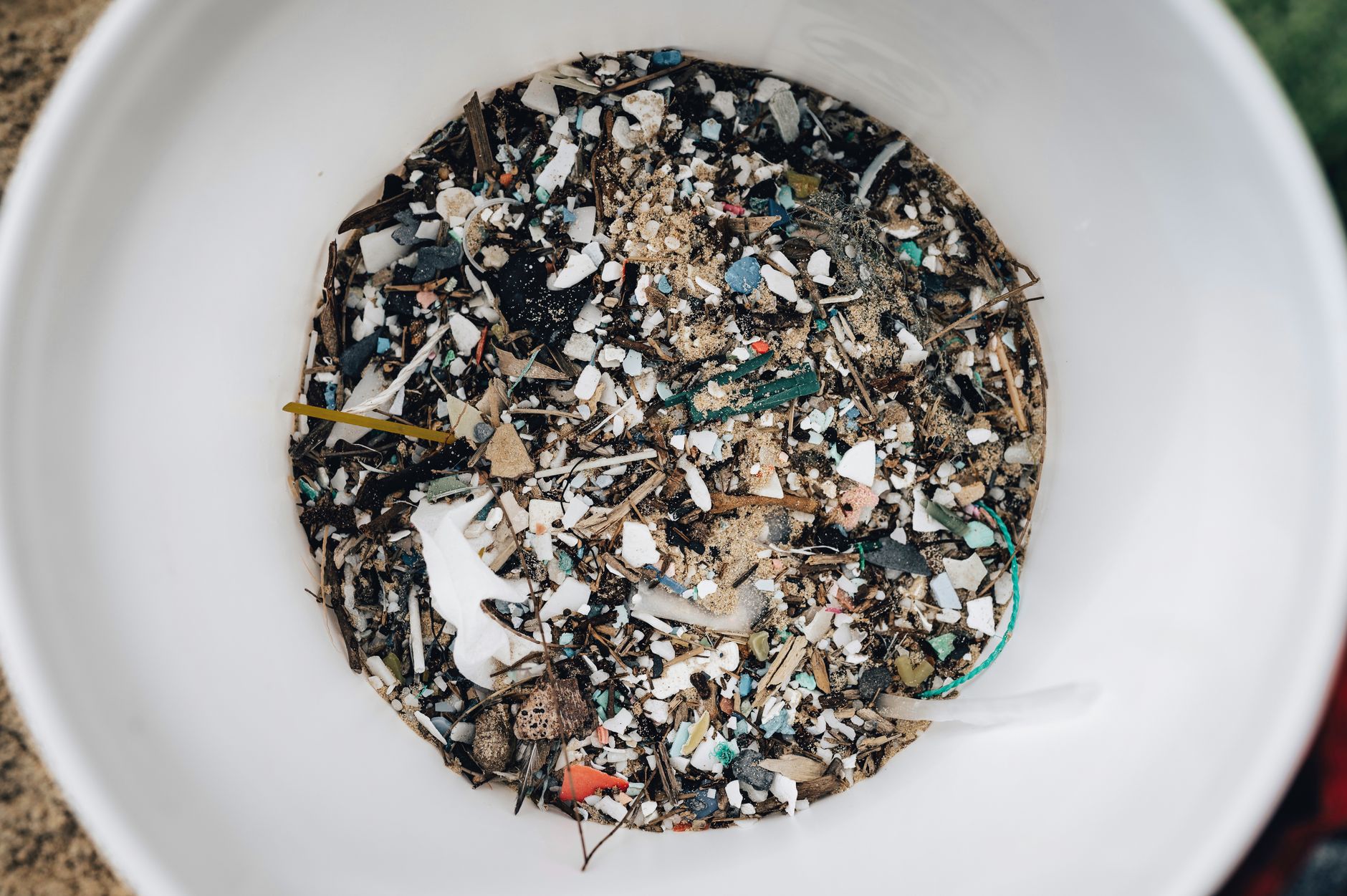
Urban bowerbirds had noticeably different collections than their rural counterparts. The Townsville birds incorporated far more brightly colored human-made items – plastics, packaging fragments, and other discarded material – into their bowers. Rural birds at Dreghorn showed the same underlying preference for human objects, but had far fewer of them to work with. The difference in decoration style between the two populations appears to come down to supply, not taste.
What the Data Actually Shows About Urban Wildlife and Human Objects
The finding that both urban and rural birds share a preference for human-made items is the detail that carries the most weight here. It rules out the simpler explanation – that Townsville birds use more plastic simply because they’ve been culturally conditioned by city life, or that proximity to humans somehow changes their instincts. Instead, the preference appears to be intrinsic to the species. Urban environments just happen to flood these birds with exactly what they already want.
This has an odd implication for how we think about urbanization’s effect on wildlife behavior. The conventional framing is that human expansion disrupts or degrades animal behavior – forcing adaptations that are compromises, not improvements. Bowerbirds complicate that narrative. For a species whose reproductive success depends on the visual quality of collected objects, access to mass-produced, intensely pigmented human waste is, by the bird’s own criteria, an upgrade. The bird isn’t adapting despite human presence. It’s benefiting from human carelessness in a very specific, measurable way.
The study also highlights how little we understand about what animals actually perceive when they look at our discarded objects. Researchers had to photograph bower sites in UV light precisely because standard visible-light photography would have missed part of what the bird was responding to. A piece of bright blue plastic might appeal to a bowerbird for reasons that have nothing to do with how it looks to a human observer – its UV reflectance profile could be the actual draw. That gap between human perception and animal perception makes it genuinely difficult to predict which human objects will attract which species, and why.
Great bowerbirds – the species monitored in this study – are found across northern Australia. They are not considered endangered, and the behaviors documented here do not appear to threaten their population. What the research does flag is a more subtle concern: as urbanization expands across Queensland and other parts of Australia, the decoration landscape available to these birds will keep shifting. Whether long-term dependence on human-produced materials changes mate selection outcomes in ways that affect the species is not yet known.
There’s also the straightforward litter angle. Every brightly colored fragment a bowerbird picks up and installs in its bower is a piece of plastic or packaging that originated somewhere in a human supply chain. The birds are functioning, inadvertently, as collectors of urban debris – each bower a small, precise inventory of what gets dropped, discarded, or blown across a landscape. A male in Townsville with a well-decorated bower is also, without meaning to, documenting the color palette of local consumer waste.
The University of Exeter team’s methodology – 61 monitored males, dual-spectrum photography, and a controlled rural-urban comparison across a single breeding season – gives the findings a solid empirical foundation. The study doesn’t overreach. It documents a preference, quantifies the urban-rural gap in item availability, and notes that access rather than attitude appears to explain the behavioral difference between populations.
Courtship Hardware in a World Full of Packaging
The bowerbird situation is a clean case study in how animals interact with the material byproducts of human manufacturing – not through ingestion or habitat loss, but through active selection and display. The bird is treating our waste as a resource, filtered through its own aesthetic criteria, and using it as a competitive tool in mate attraction.
What remains unresolved is whether females are actually responding differently to human-made decorations than to natural ones – whether a bower stocked with vivid plastic outperforms one stocked with berries and bones in actual mating outcomes. That’s the question the current data doesn’t fully answer: does the urban male, with his haul of brightly colored litter, actually win more often?