




The Museum of Modern Art in New York recently drew over 3,000 twenty and thirty-somethings to its “MoMA PS1 Warm Up” series, where DJ sets echo through gallery spaces typically reserved for quiet contemplation. This scene reflects a broader cultural shift where museums worldwide are transforming after-hours into vibrant social destinations that rival traditional nightlife venues.
Young professionals are trading crowded bars and expensive clubs for museum after-dark events that combine culture with cocktails, networking opportunities with art appreciation. Major institutions from the Smithsonian to the Tate Modern now host regular evening programs designed specifically for the under-40 crowd, creating a new category of cultural nightlife.
The Cultural Cocktail Hour Revolution
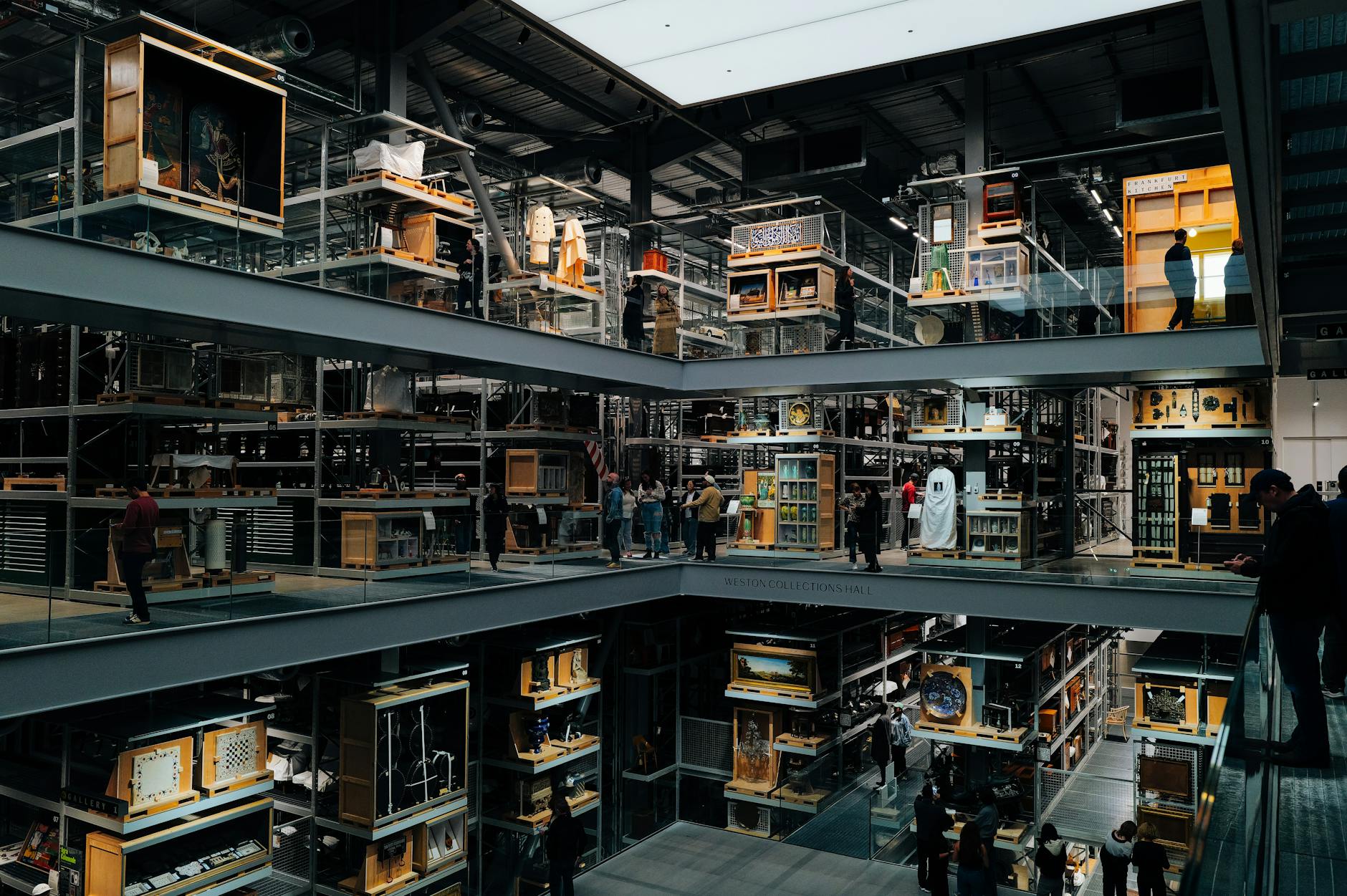
Museums discovered that their most engaged evening audiences aren’t traditional patrons but young professionals seeking alternatives to conventional nightlife. The Brooklyn Museum’s “First Saturday” program draws thousands monthly with its mix of live music, art-making workshops, and cash bars set against permanent collections. Similarly, the Whitney Museum’s “Whitney After Dark” events regularly sell out as attendees sip wine while exploring exhibitions.
This trend extends beyond major cities. Regional museums in Austin, Portland, and Denver report significant increases in young adult membership following the launch of evening programming. The phenomenon represents more than casual entertainment – it signals a generational preference for experiential social activities over passive consumption.
Museums benefit from this demographic shift through increased membership, higher retail sales, and enhanced community engagement. The Seattle Art Museum reports that 60% of their evening event attendees become members within six months, a conversion rate significantly higher than traditional daytime visitors.
Networking Meets Art Appreciation
Professional development has become an unexpected cornerstone of museum nightlife programming. The National Gallery in Washington D.C. hosts “Young Professionals Nights” that explicitly blend art viewing with career networking, drawing attendees from local tech companies, nonprofits, and government agencies.
These events create organic networking opportunities that feel less forced than traditional business mixers. Conversations naturally flow from discussing contemporary installations to sharing career experiences, with the art serving as both backdrop and conversation starter. The San Francisco Museum of Modern Art reports that several business partnerships and even romantic relationships have formed through their evening programs.
Tech workers particularly gravitate toward these events as counterbalances to screen-heavy workdays. The interactive nature of modern museum exhibitions – from virtual reality installations to hands-on workshops – provides tactile experiences that many young professionals crave after long days at computers.

Global Expansion of Museum Nightlife
International museums have embraced this model with regional variations. London’s Tate Modern hosts “Tate Lates” featuring live performances and late-night gallery tours, while the Centre Pompidou in Paris combines electronic music with contemporary art exhibitions in their “Soirees Noctambules” series.
Tokyo museums have adapted the concept to local preferences, focusing on smaller group experiences and themed nights around specific artistic movements or cultural topics. The National Museum of Modern Art Tokyo’s evening programs often incorporate traditional Japanese cultural elements alongside contemporary exhibitions.
The programming reflects local nightlife cultures while maintaining the core appeal of combining social interaction with cultural enrichment. Melbourne’s museums emphasize outdoor spaces and food offerings, while Berlin institutions focus on experimental music and avant-garde performance art integration.
Museum professionals note that these international variations have created informal networks for sharing best practices and collaborative programming ideas, similar to how comedy venues adapt across different cultural contexts.
Economic Impact and Future Growth
Museum evening events generate substantial revenue beyond ticket sales. Food and beverage offerings, typically outsourced to local restaurants or catering companies, create additional income streams while supporting local businesses. The Los Angeles County Museum of Art reports that evening events generate 40% more per-capita spending than daytime visits.
Corporate partnerships have emerged as another revenue source, with companies sponsoring themed nights or hosting private events in museum spaces. These partnerships often extend beyond single events into ongoing relationships that support exhibitions and educational programming.
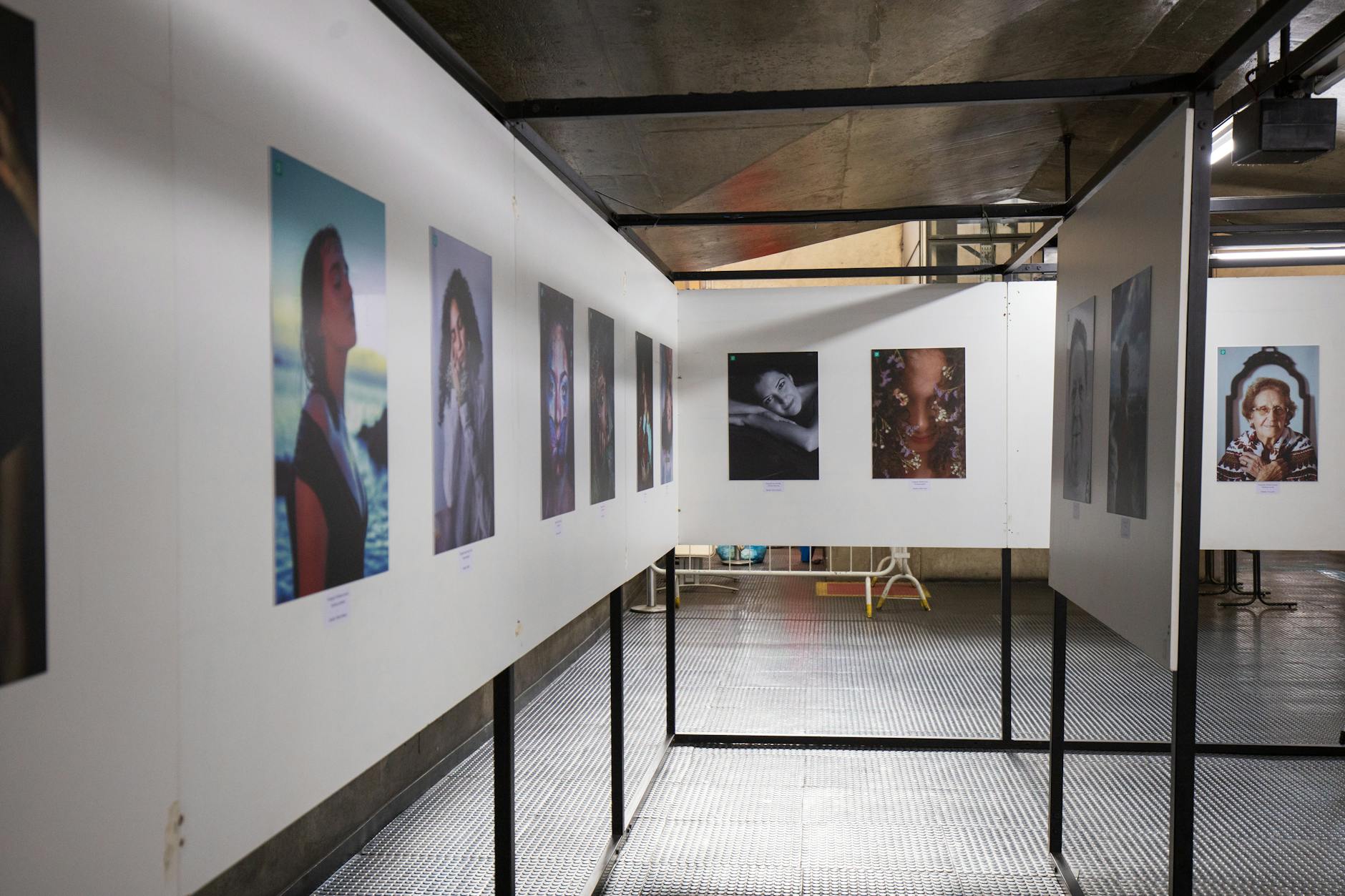
The success has prompted traditional nightlife venues to incorporate cultural elements, creating hybrid spaces that blend gallery exhibitions with social atmospheres. This cross-pollination suggests the trend will continue expanding rather than remaining confined to traditional museum spaces.
Looking ahead, museum professionals anticipate incorporating more technology-enhanced experiences while maintaining the authentic cultural focus that distinguishes these events from conventional entertainment options. Virtual reality exhibitions, interactive digital installations, and augmented reality tours are becoming standard offerings at evening programs, appealing to tech-savvy young professionals while preserving the educational mission that defines quality museum experiences.
Frequently Asked Questions
What makes museum night events appealing to young professionals?
They combine culture with social interaction, offering networking opportunities in unique settings with cocktails and engaging programming.
How much do museum evening events typically cost?
Prices vary by institution but generally range from $15-30 for general admission events, often including one drink.