




When the Device in Your Pocket Outlasts Your Judgment
Body cameras exist, in theory, to create accountability – a running record of what happens when officers encounter the public at its most vulnerable. But on the morning of January 30, 2026, inside an upstairs bedroom in Bucks County, Pennsylvania, Deputy Sheriff Ryan Gaffney appears to have decided the camera on his chest was an inconvenience rather than a safeguard. According to the Bucks County District Attorney’s Office, he covered it. Then he pulled out his personal iPhone.
What Gaffney allegedly did next – photographing a naked detainee in the middle of a mental health crisis, then sharing those images with several female civilian employees inside the sheriff’s office – is now the subject of criminal charges. But the technology angle buried inside this story is worth sitting with: the very surveillance infrastructure designed to protect citizens from misconduct is what exposed him.
Five Officers, One Bedroom, One Man in Crisis
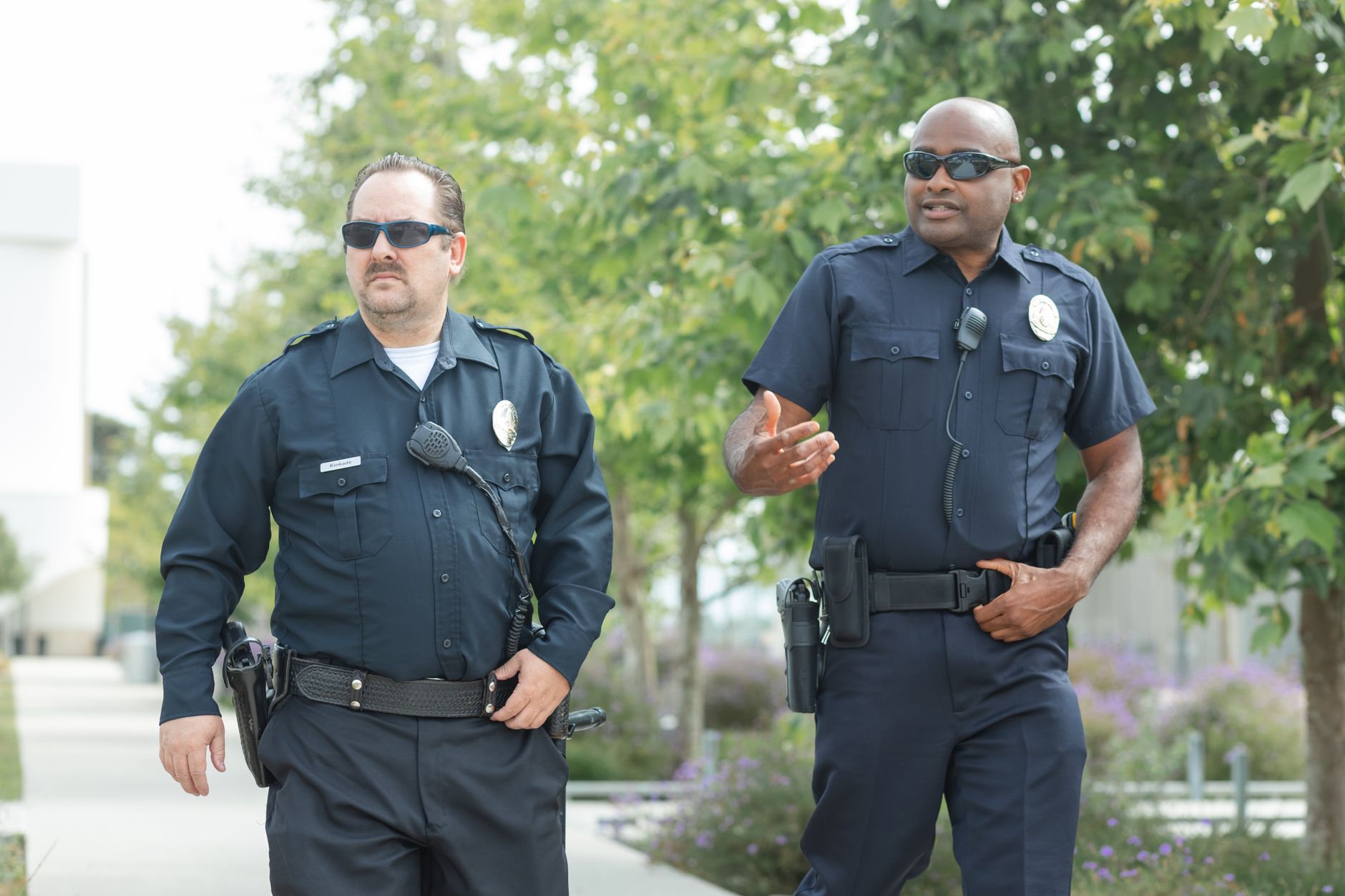
The situation on January 30 was already fraught. Five fully uniformed Bucks County Sheriff’s deputies had responded to a call involving a local man experiencing a mental health crisis. They found him in his upstairs bedroom, naked from the waist down. Deputies had spent time persuading him to put on pants – a moment of de-escalation that, whatever came next, suggests at least some effort at humane handling. At that point, the man was at his most exposed, literally and legally.
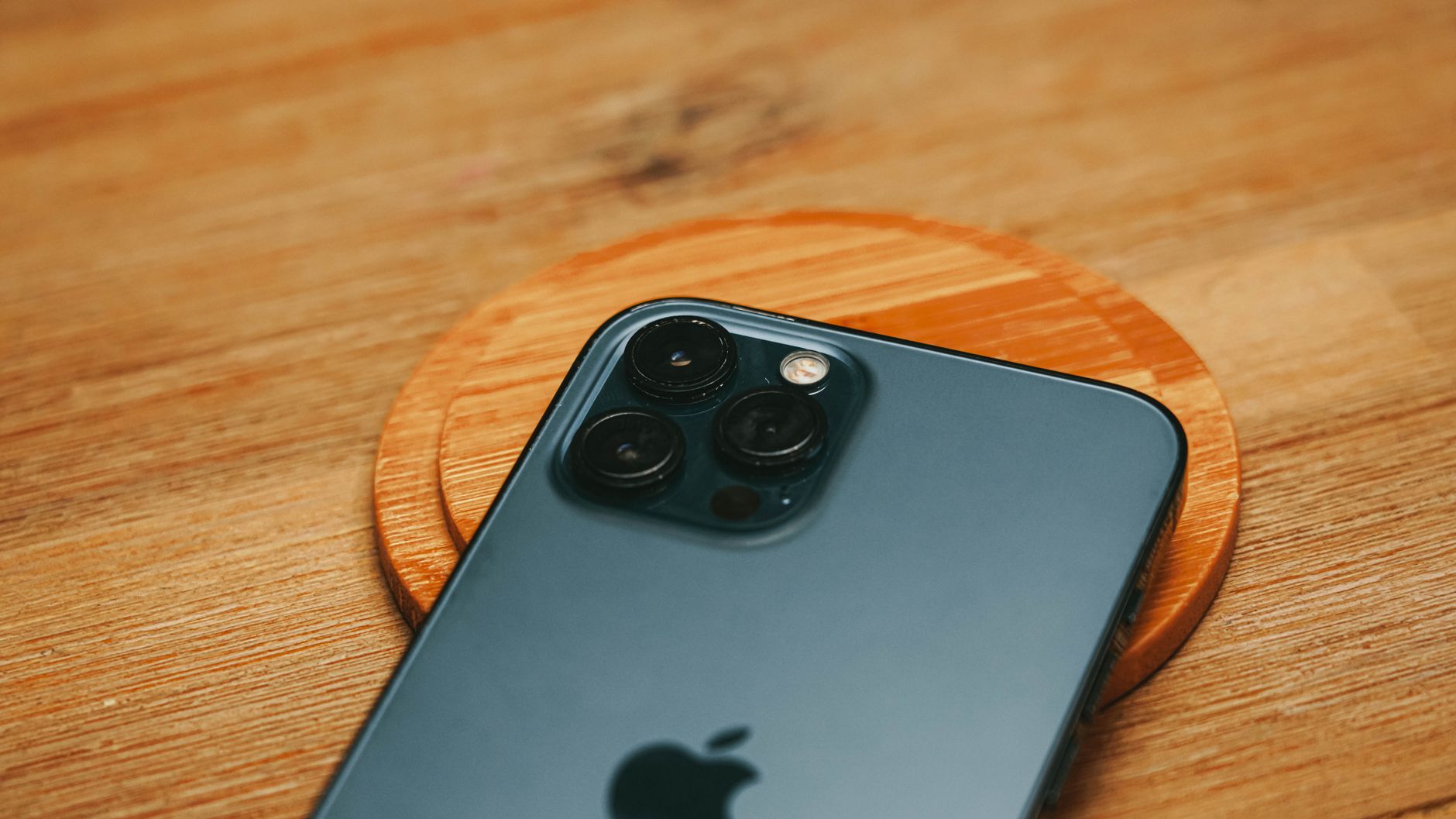
That is the moment Gaffney allegedly chose to reach for his iPhone. According to the District Attorney’s account, he first covered his department-issued body camera – an act that is itself telling. Covering the bodycam was not an accident or an oversight. It was a decision, made deliberately, which suggests Gaffney understood that what he was about to do should not be recorded by official equipment. The iPhone, a personal consumer device carried by hundreds of millions of people, became the instrument of what prosecutors are now treating as a crime.
The Surveillance Apparatus That Backfired
Here is where the technology story gets genuinely strange. Gaffney’s plan, if it can be called that, had a structural flaw so obvious it reads almost as hubris: he was standing inside a space covered by other cameras. The Bucks County DA’s office received a complaint from the sheriff’s office itself on March 31, 2026 – two months after the January incident. Investigators looking into the allegation did not have to rely solely on witness accounts. Other camera angles, from other recording devices present at the scene, had captured what Gaffney’s covered bodycam was meant to hide.
Modern policing has become one of the most densely surveilled professional environments in America. Officers wear body cameras. Patrol cars have dashcams. Facilities have fixed security systems. Personal phones generate metadata. The assumption that covering one lens eliminates the record is increasingly, demonstrably wrong – and yet the instinct persists. Officers have covered, disabled, or “accidentally” deactivated body cameras in documented incidents going back years, often under the apparent belief that the absence of one recording means the absence of all recording.
The iPhone itself is worth examining here. Apple’s device, in Gaffney’s hands, functioned as an off-the-books capture tool – something not registered to the department, not routed through official evidence systems, and not subject to the same retention and access controls that govern footage from body cameras. That made it attractive for exactly the wrong reasons. Consumer devices are not bound by law enforcement data policies. Photos taken on a personal iPhone sit in a camera roll, can be airdropped, texted, shared to apps – which is apparently what happened when Gaffney allegedly distributed the images to civilian employees inside the sheriff’s office.
The distribution piece matters as much as the capture. Taking a photograph is one act. Sending it to colleagues is another, separate decision – one that multiplied both the exposure of the victim and the evidentiary trail Gaffney left behind. Every recipient is a witness. Every device that received the image potentially holds a copy. Digital sharing does not stay contained, and in a law enforcement environment where investigations have subpoena power over communications, the notion that passing around images via personal phone stays private is, to put it plainly, not how any of this works.
The Complaint Came from Inside
It was the Bucks County Sheriff’s Office – Gaffney’s own employer – that filed the complaint with the District Attorney’s Office on March 31, 2026. That internal report is what initiated the DA’s involvement. Whatever else is contested in this case, that sequence is not: the institution flagged its own deputy, which either reflects a functional accountability mechanism inside the sheriff’s office or suggests the conduct became too visible to ignore once images began circulating among civilian staff.
The victim in all of this was a man in psychiatric distress, naked, in his own home, surrounded by five armed officers. He was not under arrest for a violent crime. He was not a public figure. He was someone having the worst morning of his life, and according to prosecutors, that vulnerability was recorded without consent and passed around an office.
What the iPhone Reveals About Policing and Consumer Tech
There is a version of this story that focuses entirely on individual bad behavior – one deputy, one bad decision, one set of charges. That framing is incomplete. The incident also demonstrates how the ubiquity of smartphone cameras has created a genuine policy gap in law enforcement. Departments regulate their own equipment extensively: bodycam activation requirements, footage retention windows, who can access recordings and when. Personal devices exist almost entirely outside that framework. An officer’s iPhone is, from a departmental policy standpoint, often a black box.
Some jurisdictions have moved toward explicit prohibitions on personal device photography involving detainees or crime scenes. Others rely on general policies around privacy and professional conduct that predate the smartphone era entirely. The gap between what the technology enables and what the rules actually govern remains wide. Gaffney allegedly walked right through it – and only got caught because the rest of the surveillance infrastructure was still running.
The criminal charges now sit with the Bucks County DA’s Office. Gaffney faces scrutiny over what he photographed, how he distributed it, and the deliberate act of covering his bodycam before doing either. That covered lens – a small physical gesture, probably taking two seconds – is now a central piece of evidence about intent. The camera he tried to blind became the clearest signal of what he knew he was doing.