





Seven Minutes From Norway to Orbit
At 4:12 pm EST on Saturday, a 92-foot rocket named Spectrum lifted off from Andøya Spaceport in northern Norway – a launch site sitting inside the Arctic Circle – and reached low-Earth orbit exactly seven minutes later. The company behind it, Isar Aerospace, was founded in 2018 by three students at a German university and has now done something no European private company had done before: put a fully commercial orbital rocket into space.
That is a short sentence with a long shadow over the continent’s aerospace ambitions.
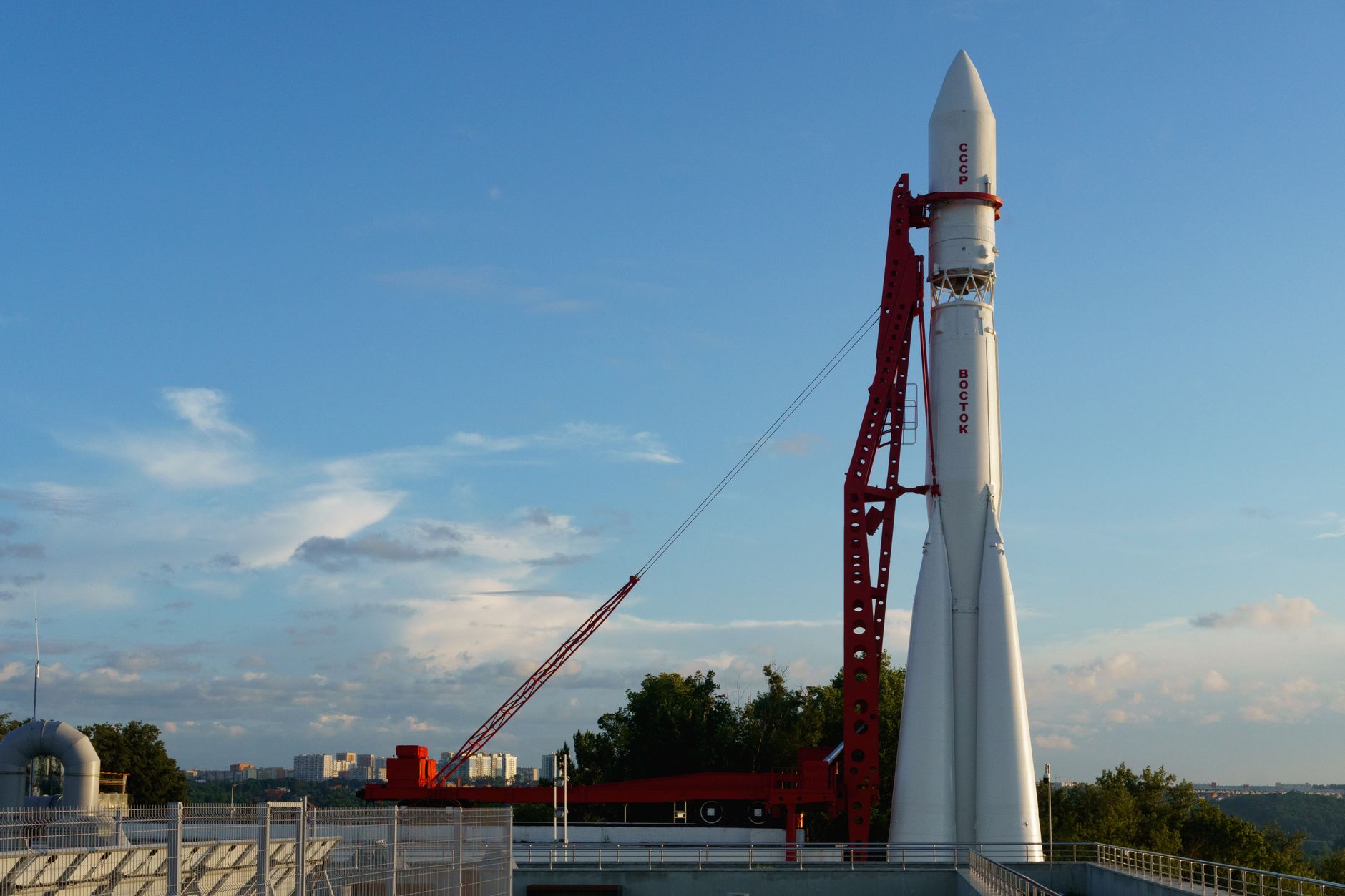
The launch happened at 10:12 pm local Norwegian time, with the last pale blue light of a late summer Arctic evening still visible above the horizon. Spectrum is a two-stage vehicle standing 28 meters tall. It carried no fanfare payload – the milestone was the flight itself, a working demonstration that Europe’s commercial launch sector can now deliver on a promise it has been making for years. Isar joins a group of European launch startups that have been competing for the same goal, but Saturday’s flight puts the Munich-based company well ahead of that field.
What Europe’s Launch Market Actually Looked Like Before This
European rocketry heading into 2025 was not a story anyone told enthusiastically. Arianespace, the continent’s legacy launch provider, faced mounting pressure from SpaceX eating into its commercial manifest. Ariane 6, the government-backed replacement for Ariane 5, took years longer than planned to reach its first flight. The commercial side of the market – the part driven by private capital rather than state contracts – had no European entrant capable of reaching orbit at all. That gap existed for a long time, and Isar spent roughly seven years closing it.

Several other European startups have been working the same problem. Companies building small and medium launch vehicles across the UK, Spain, and Germany have been raising money and iterating on hardware, but none had reached orbit before Isar’s Saturday flight. The race was real, and the finish line just got crossed. The competitive dynamic among these companies now shifts: Isar has customers and a proven vehicle, while its rivals are still working toward a first successful launch.
For the commercial space industry in Europe, the supply chain and regulatory infrastructure around orbital launches has lagged badly behind the United States and increasingly behind China. A proven domestic private launch vehicle changes the economics for European satellite operators who previously had to book seats on American or Russian rockets – or wait for Ariane 6 slots. Isar’s Spectrum opens a third option that didn’t exist 48 hours ago.
Andøya as a Launch Site and What It Signals
Andøya Spaceport in northern Norway was not an obvious choice for a historic orbital launch. The facility sits well above the Arctic Circle, which creates specific orbital insertion angles that favor certain polar and sun-synchronous orbits – exactly the trajectories that small Earth observation and communications satellites need. Choosing Andøya was a deliberate engineering and business decision, not a geographical convenience. Norway’s location gives Spectrum a geometric advantage for a category of satellites that is growing faster than almost any other segment of the commercial space market.
The spaceport has been operational in various capacities for decades, primarily for sounding rockets and research missions, but Saturday’s flight was a different category of event. An orbital insertion from that latitude requires more from a rocket than a suborbital hop, and Spectrum handled it in under seven minutes from liftoff. That performance profile matters to potential customers calculating launch costs and schedule reliability – the two variables that have historically made or broken commercial launch providers trying to compete against SpaceX’s pricing and cadence. With the U.S. already pushing toward dramatically higher annual launch targets, European operators have strong reasons to want domestic alternatives that don’t depend on American range availability or geopolitical goodwill.

Isar Aerospace, less than eight years old and built by people who were university students when they started it, now holds a record that established aerospace contractors – companies with decades of institutional knowledge and government backing – never managed to claim for Europe. Whether Spectrum’s debut flight translates into a durable commercial launch business depends on what comes next: a launch manifest, a pricing structure competitive enough to pull customers from existing providers, and the operational consistency that distinguishes a successful first flight from a successful launch company.
The rocket is in orbit. The harder part starts now.