


A Career Built on Fashion’s Most Demanding Pages
Richard Avedon did not arrive at The New Yorker as an unknown quantity. By the time the magazine took him on as its first staff photographer – a position he would hold longer than anyone else, because for years he was the only person who held it – he had already spent decades reshaping what a fashion photograph could do. That education happened almost entirely at Harper’s Bazaar, where issue after issue gave him the space to push against the conventions of the form.
The two institutions define different chapters of the same career: Harper’s Bazaar as the laboratory, The New Yorker as the long residency. What connects them is a photographer who understood early on that fashion imagery was not decoration but argument – a position made on the page before anyone read a word.
What Harper’s Bazaar Actually Gave Him
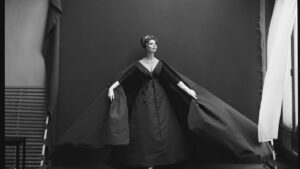
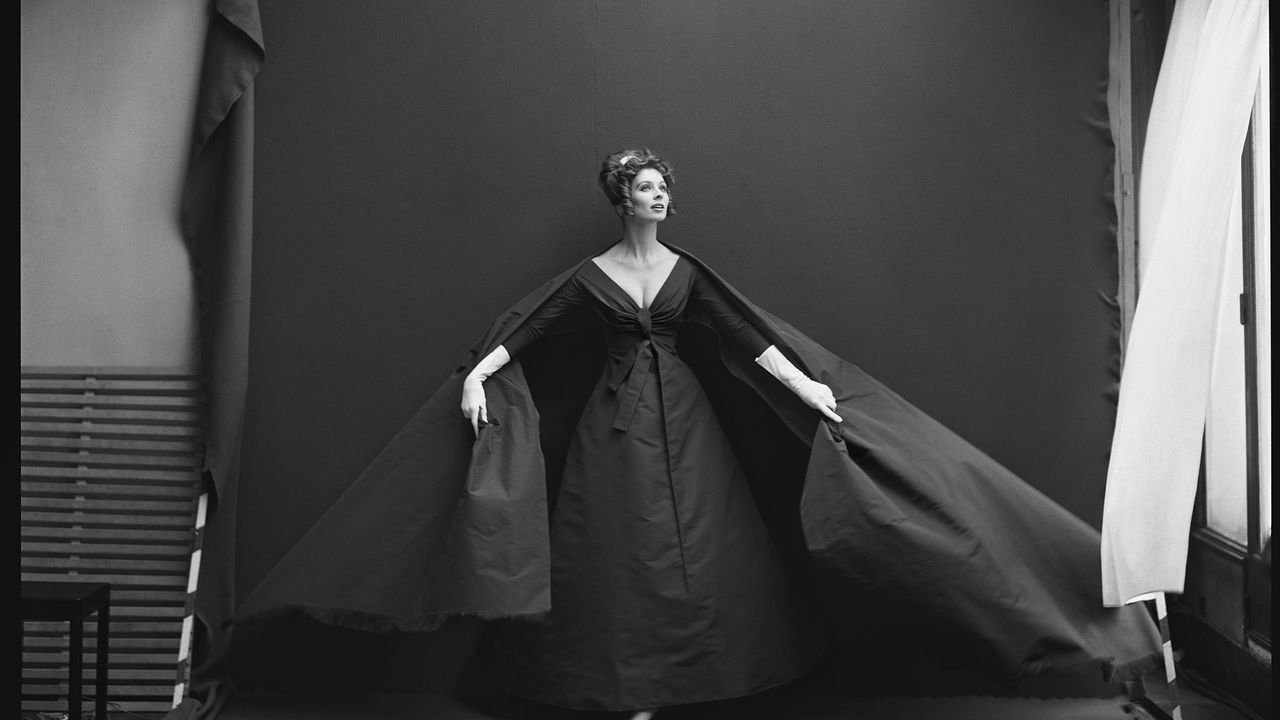
Fashion magazines in Avedon’s early years operated within a fairly rigid visual grammar. Models stood. Light fell correctly. Clothes were shown. The photograph’s job was essentially to serve as a well-lit inventory. What Avedon began doing at Harper’s Bazaar broke that contract – he introduced movement, spontaneity, and a kind of emotional temperature that the fashion photograph had not previously been asked to carry. The images looked like something was happening, not simply being displayed.
The sensational quality that defined those early Harper’s Bazaar issues was not purely about aesthetics. It was about a consistent challenge to the reader’s expectation. Each shoot arrived with some new formal decision – a different relationship between subject and background, a different approach to the model’s engagement with the camera, a different understanding of what “fashion” could mean as a subject when the photographer refused to treat it as merely commercial. Over time, those decisions accumulated into something recognizable as a vision.
Working within a magazine’s production cycle – deadline to deadline, issue to issue – is a discipline that shapes photographers in specific ways. The work cannot wait for perfect conditions. It has to land, at scale, for a general readership that has no particular reason to care about the photographer’s intentions. That Avedon’s images consistently registered as events under those constraints says something about the forcefulness of his instincts. Harper’s Bazaar was not a gallery. It was a harder test.
The New Yorker Appointment and What It Meant
Being named the first staff photographer at The New Yorker was a different kind of recognition – institutional rather than purely aesthetic. The New Yorker is not a fashion magazine, and the role placed Avedon inside a publication defined by its writing, its criticism, and a very particular editorial personality. Photography at the magazine has never been incidental, but it has also never been the primary register in which the publication speaks. Avedon’s presence there meant navigating that hierarchy.
The fact that he remained the only staff photographer for a long time reflects both the magazine’s specific economy and the degree to which the position was built around him personally. It was not a slot that was going to be filled by committee. Institutional access at that level is rarely structural – it tends to follow individuals, and when those individuals leave, the structure quietly closes behind them.
Reading the Early Work Against the Later Career
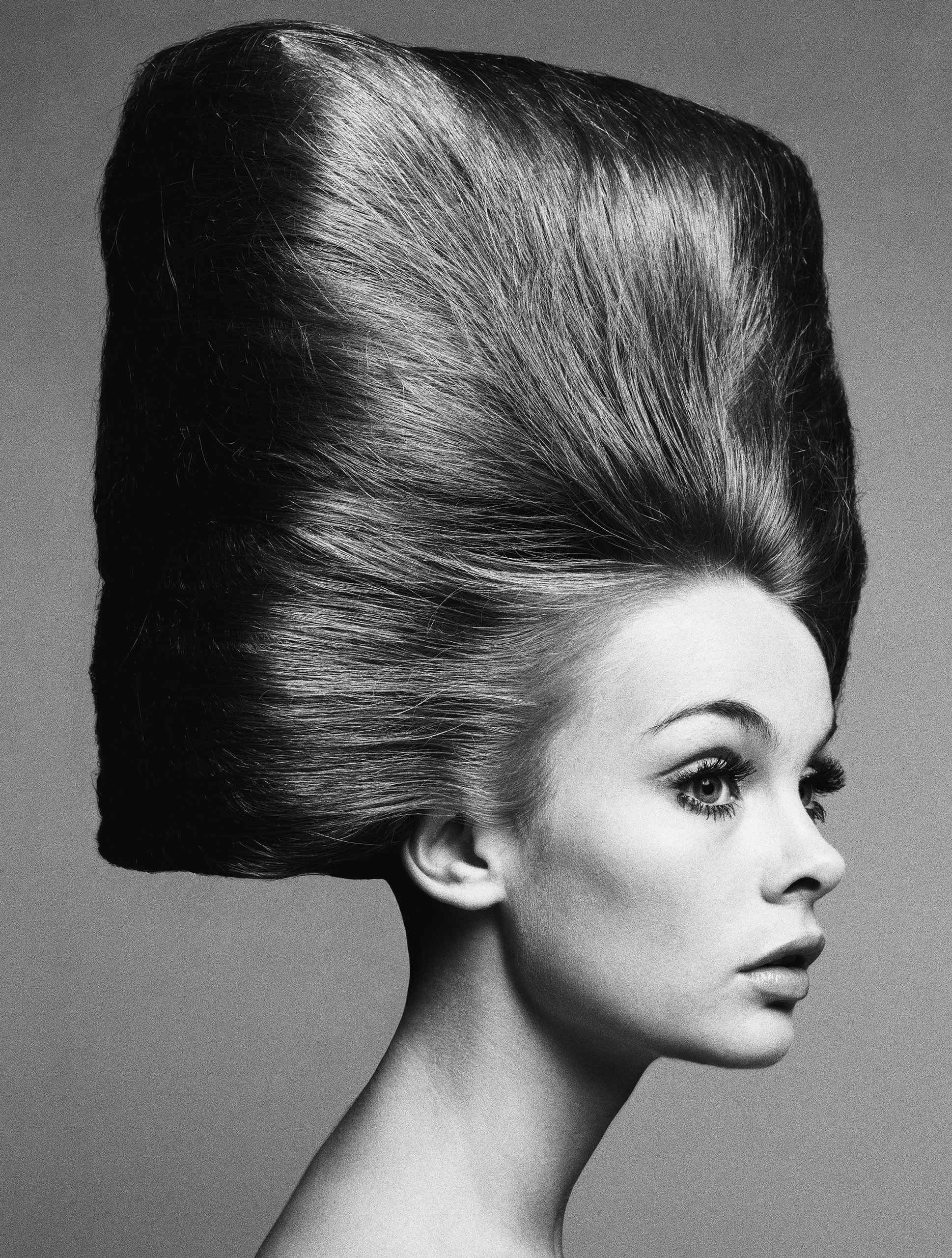
The early Harper’s Bazaar shoots sit in useful tension with Avedon’s reputation as it eventually solidified. He became known, in the broader cultural imagination, for portraiture – for a particular confrontational directness with subjects, for a white-background severity that felt nothing like the kinetic fashion work that launched him. Tracing the line from those early magazine pages to the later studio portraits requires accepting that these were not separate instincts but the same instinct applied to different problems.
What the fashion work required was an understanding of performance – how a body moves when it knows it is being watched, how to direct that awareness rather than suppress it. The portrait work asked a version of the same question: what happens when the subject’s self-presentation meets a photographer who will not let them simply hide inside it? The Harper’s Bazaar years were where Avedon developed the patience and the pressure necessary to find out.
Fashion photography is routinely treated as minor work – commercially motivated, aesthetically thin, less serious than documentary or portrait photography on some implicit hierarchy of intent. Avedon’s early career is a direct challenge to that ranking. The images he made at Harper’s Bazaar were made inside commercial constraints, for a commercial publication, and they remade the language of the form anyway. The constraint was not an obstacle to the ambition. It was the condition that gave the ambition its particular shape.
There is a version of Avedon’s story that treats The New Yorker appointment as the arrival – the moment when a fashion photographer became a serious one. That reading gets it backward. The serious photographer was already present in those early sensational issues at Harper’s Bazaar, working in a genre that had not yet decided to take itself seriously, pushing anyway. The question worth sitting with is not how he got from fashion to The New Yorker, but why it took the culture so long to understand that he had never really left fashion behind – only extended what it could hold.