



A Number That Doesn’t Stay Abstract
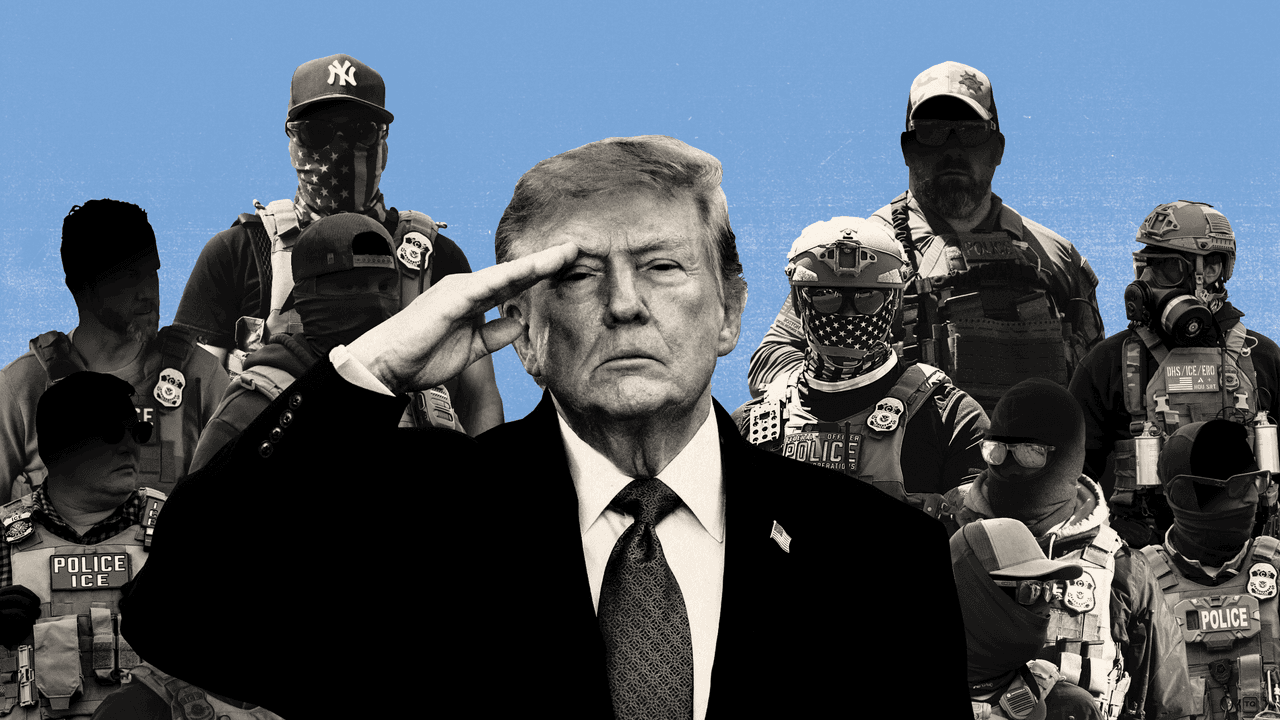
Nearly fifty-one thousand people were arrested by Immigration and Customs Enforcement in August alone – a figure that sets a record for a single month and lands with a weight that statistics rarely carry. These were not abstract enforcement tallies logged in a federal database. They happened at hospitals, at airports, and outside schools, in spaces that most Americans have always understood, at least implicitly, as beyond the reach of enforcement operations. That understanding is now gone.
The scale reframes what enforcement means.
For years, immigration policy occupied a specific lane in American public life – debated in congressional hearings, argued over in op-ed sections, but experienced directly only by certain communities. What August’s numbers make plain is that ICE operations have moved out of that lane entirely, spreading into environments where the general public – patients waiting for chemotherapy, families sending children to school, travelers clearing domestic arrivals – now find themselves sharing space with active federal enforcement activity. The geography of immigration enforcement has shifted in ways that touch daily life across the country, not just at the border.
Where the Operations Are Happening
Hospitals are protected spaces in most people’s mental map of society – places where the urgency of medical need suspends ordinary social conflict. The presence of ICE agents conducting arrests inside or near medical facilities disturbs that assumption at a basic level. A patient weighing whether to seek care for a serious condition, or a family member accompanying someone to an emergency room, now factors in a variable that didn’t exist in this form before. That calculation – do I go, do I bring them, is it safe – is itself a consequence of enforcement, independent of any individual arrest.
Schools occupy a similarly charged position. The image of agents operating outside school buildings, where children arrive and depart on predictable schedules, creates a specific kind of fear that moves through communities faster than any policy announcement. Parents pull children from classrooms. Attendance drops. Teachers and administrators, trained for none of this, become de facto interpreters of federal immigration activity. The educational disruption is real, and it doesn’t require a single arrest inside a classroom to produce its effects – proximity is enough.
Airports add a different dimension. Domestic and international travelers encountering enforcement operations in terminal spaces introduces ICE visibility into the most transient and surveilled of public environments. Airports already carry a high ambient level of security theater – shoes off, laptops out, ID checks at every turn. Layering active immigration arrests into that environment doesn’t feel incongruous to officials overseeing the operations, but to the people moving through those spaces, it registers as an escalation of a system already experienced as coercive.
What a Record Means Culturally
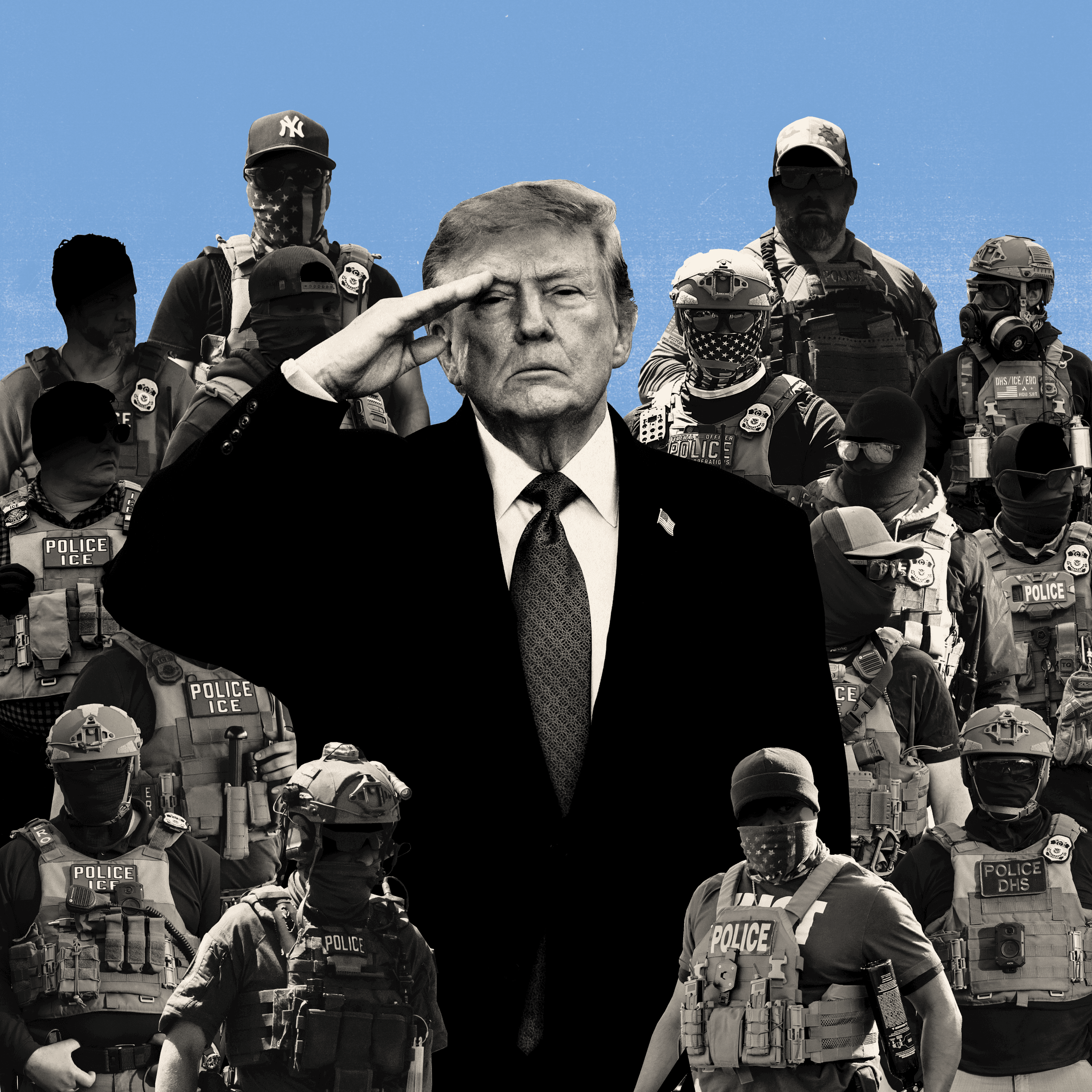
Records in enforcement statistics carry a different cultural resonance than records in, say, streaming numbers or box office receipts. When a government agency posts record activity levels, the record itself becomes a statement of intent – a signal that the institution is not moderating, not recalibrating, but accelerating. Nearly fifty-one thousand arrests in one month is not a data point that exists in isolation. It is a declaration, communicated in the language of numbers, about what the enforcement apparatus has decided it is for.
The locations matter as much as the volume. There is a long-established, if informal, set of norms around which spaces get treated as sanctuaries from enforcement – not legal sanctuaries in most cases, but practical ones, built on decades of community expectation and, in many jurisdictions, policy. Hospitals, schools, and houses of worship occupied that category. Operating at all three, at scale, at record levels, signals that those norms have been set aside. The cultural effect of that signal is different from the legal effect, and in some ways broader.
Communities that have structured their daily lives around those informal protections – deciding where to seek medical care, whether to register children in public schools, how to move through public space – now do so without the assumptions that previously made those decisions straightforward. There is a specific kind of social cost that accrues when institutions people depended on for stability are revealed to offer less protection than believed – a cost that doesn’t appear in enforcement statistics but shapes communities for years.

The Ordinary Spaces That Are No Longer Ordinary
What stands out about the August numbers, beyond their scale, is the mundanity of the settings. Hospitals, airports, and schools are not the dramatic frontiers of immigration enforcement – not the border crossings, not the detention facilities that appear in documentary films and congressional testimony. They are the architecture of ordinary American life, the spaces that everyone, regardless of status, uses because necessity demands it. That is exactly what makes enforcement in those locations different in character from enforcement at traditional sites.
A record of nearly fifty-one thousand arrests in a single month, conducted across environments this ordinary, doesn’t function only as an immigration story. It functions as a story about which spaces can still be considered shared, and which have become contested.
August was one month. The question now sitting inside that number is whether the record represents a ceiling or a floor – and who, in which waiting room or school drop-off line, will be the first to find out.