





Your grandmother can now control her entire house with voice commands, and she doesn’t need a computer science degree to set it up. The smart home revolution has finally reached the point where complexity barriers have crumbled, transforming what was once a tech enthusiast’s playground into something as simple as plugging in a coffee maker.
The latest generation of smart home hubs from Amazon, Google, Apple, and Samsung have stripped away the intimidating setup processes that kept millions of potential users on the sidelines. Gone are the days of configuring network protocols, wrestling with compatibility lists, or spending weekends troubleshooting why your smart bulbs won’t respond to voice commands.
The Plug-and-Play Promise Finally Delivers
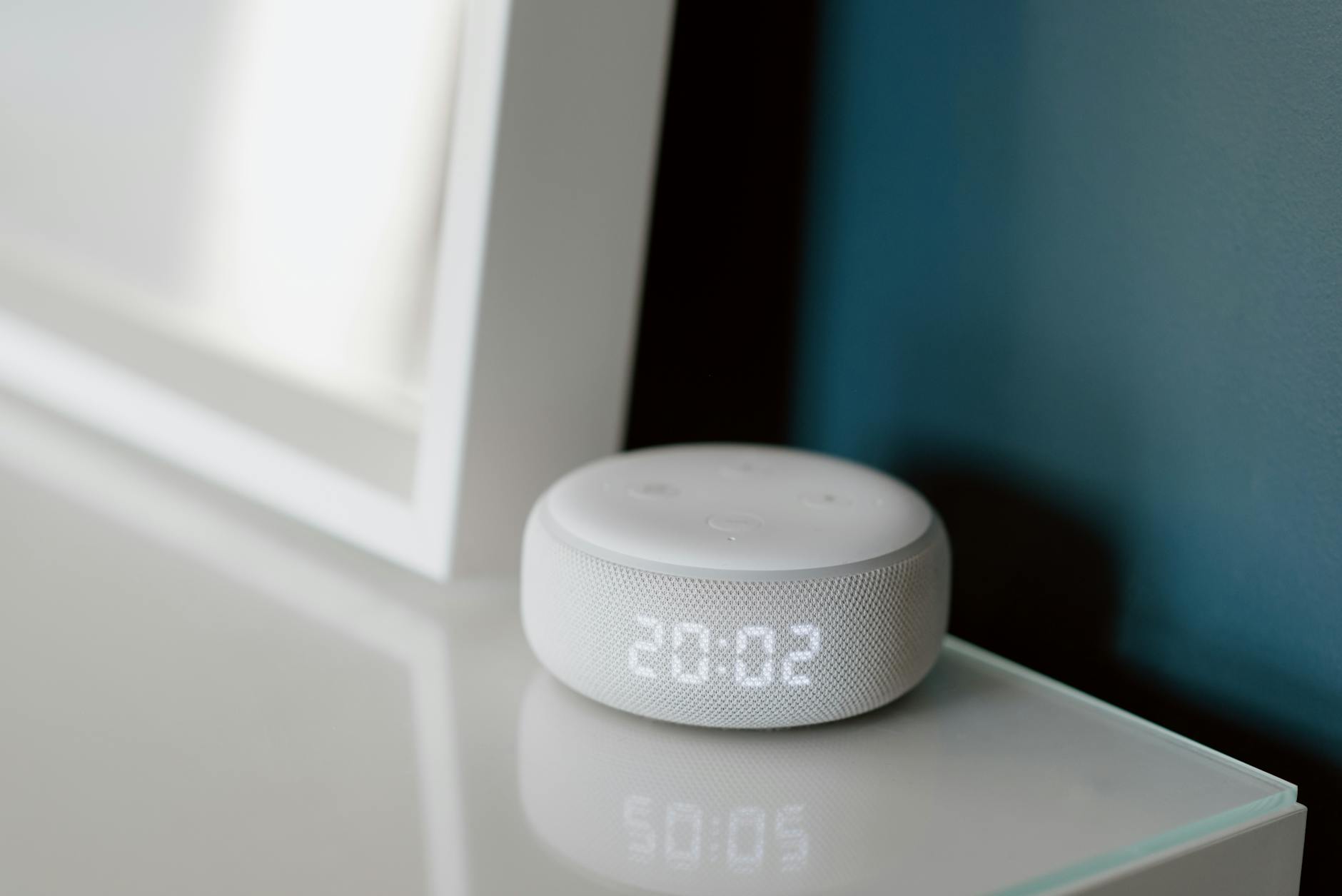
Amazon’s latest Echo Hub and Google’s Nest Hub Max represent a fundamental shift in smart home philosophy. These devices now detect and connect to compatible smart home products automatically, using improved wireless standards and machine learning to eliminate the manual configuration steps that previously required technical knowledge.
The breakthrough came through the widespread adoption of the Matter protocol, a universal standard backed by Apple, Google, Amazon, and Samsung. Instead of juggling multiple apps and worrying about whether your Philips Hue lights will work with your Samsung SmartThings hub, Matter-certified devices communicate seamlessly across platforms.
Apple’s HomeKit has also simplified dramatically. The latest Apple TV and HomePod models serve as hubs that automatically discover nearby smart devices during initial setup. Users simply scan a QR code with their iPhone, and the system handles device pairing, network configuration, and security settings without requiring manual intervention.
Voice assistants have become remarkably better at understanding context and natural language. You no longer need to memorize specific commands or device names. Saying “turn off the lights in here” works just as well as “turn off the living room ceiling lights,” thanks to improved spatial awareness and contextual understanding.
Budget-Friendly Options Flood the Market
The smart home ecosystem has expanded beyond premium brands, making entry-level systems accessible to mainstream consumers. Companies like Wyze, TP-Link Kasa, and Sengled now offer complete starter kits for under $100, including a hub, smart bulbs, plugs, and sensors.
These budget options don’t sacrifice functionality for price. Wyze’s home monitoring system rivals products costing three times more, offering motion detection, door sensors, and smartphone alerts without monthly subscription fees. The company’s approach of selling hardware at near-cost while offering optional premium services has democratized smart home technology.
Retailers have responded by creating curated smart home sections with compatibility guarantees. Best Buy’s “Works Together” program and Home Depot’s smart home displays let customers see exactly how products will integrate before purchase, reducing the guesswork that previously deterred casual buyers.
Major internet service providers have also entered the space, bundling smart home hubs with broadband packages. Comcast’s Xfinity Home and Verizon’s Smart Home solutions leverage existing customer relationships and technical support infrastructure to remove adoption barriers.

Real-World Applications Drive Adoption
The shift toward practical applications rather than flashy tech demos has accelerated mainstream adoption. Today’s smart home systems focus on solving everyday problems: automatically adjusting thermostats for energy savings, sending alerts when doors are left unlocked, or gradually dimming lights in the evening to improve sleep quality.
Energy management has become a compelling use case as utility costs rise. Smart thermostats from Ecobee and Nest learn household patterns and adjust heating and cooling automatically, reportedly reducing energy bills by 10-15% without sacrificing comfort. These systems now integrate with time-of-use electricity rates, shifting energy-intensive tasks to off-peak hours.
Security applications have moved beyond basic alarms to comprehensive monitoring systems. Ring, Arlo, and newer competitors offer wireless camera systems that require no professional installation. Users can monitor packages, check on pets, or verify that teenage children arrived home safely, all through smartphone apps with intuitive interfaces.
Health and wellness applications are emerging as smart home technology integrates with fitness tracking and medical monitoring. Air quality sensors automatically trigger purifiers when pollution levels rise, while sleep tracking systems adjust bedroom temperature and lighting to optimize rest quality.
The integration with existing entertainment systems has also simplified. Smart speakers now serve as central control points for music streaming, podcast playback, and even gaming experiences, eliminating the need for separate remote controls or complex universal remote programming.
Professional Installation Becomes Optional
The requirement for professional installation has largely disappeared for basic smart home setups. Most devices now use wireless connections and battery power, eliminating the need for electricians or low-voltage technicians. Magnetic mounting systems and adhesive installation options mean renters can enjoy smart home benefits without permanent modifications to their living spaces.
Step-by-step video tutorials and augmented reality setup guides have replaced dense instruction manuals. Samsung’s SmartThings app uses smartphone cameras to guide users through device placement and configuration, showing exactly where to position sensors and how to test functionality.
Customer support has evolved to match the simplified user experience. Companies now offer setup assistance through video calls, allowing technicians to guide users through installation remotely. Amazon’s partnership with Best Buy provides in-home setup services for customers who prefer hands-off installation, but these services are becoming less necessary as products become more intuitive.
Return policies have also adapted to encourage experimentation. Most retailers now offer extended return windows for smart home products, allowing customers to test systems in their actual living environments before committing to purchases.
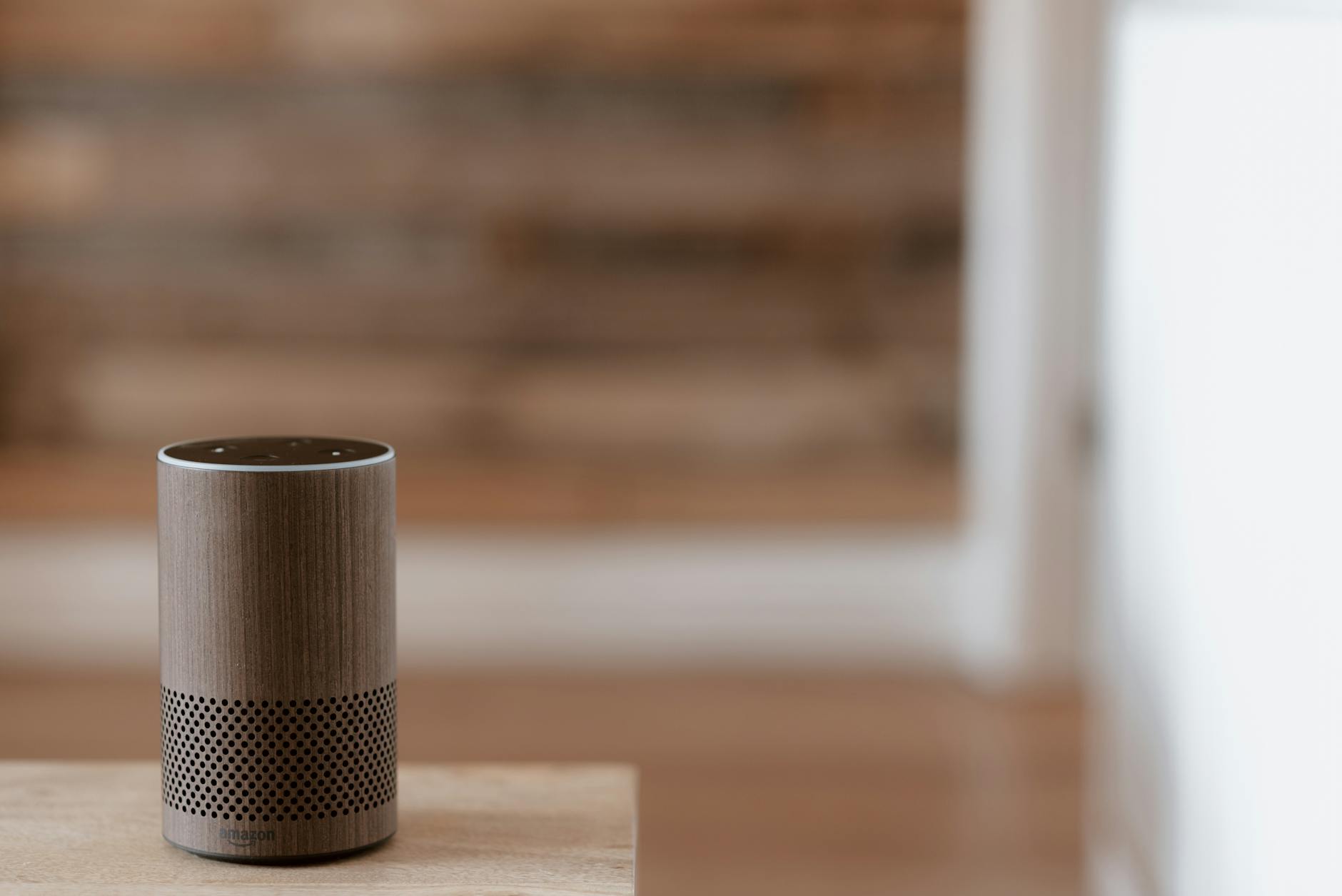
The smart home market is poised for explosive growth as these usability improvements reach critical mass. Industry analysts predict that households with smart home devices will double within the next two years, driven primarily by users who previously considered the technology too complex or expensive.
The next wave of innovation focuses on predictive automation rather than reactive control. Smart home systems are learning to anticipate needs based on patterns, automatically adjusting environments before users realize changes are needed. This shift from manual control to intelligent automation represents the final step in making smart homes truly effortless for everyday users.
As voice recognition improves and costs continue falling, the smart home is transitioning from a luxury gadget category to an essential utility, much like Wi-Fi did a decade ago. The technology has finally caught up with the promise, delivering the seamless, intuitive experience that early adopters always envisioned.
Frequently Asked Questions
Do smart home hubs require technical expertise to set up?
Modern smart home hubs feature automatic device detection and guided setup processes that eliminate technical configuration requirements.
What’s the most affordable way to start a smart home system?
Budget starter kits from companies like Wyze and TP-Link offer complete systems including hub, lights, and sensors for under $100.