





Professional photographers are trading their bulky cameras for smartphones. YouTube creators, TikTok stars, and even Hollywood directors are discovering what tech enthusiasts have suspected for years: flagship smartphone cameras now deliver professional-quality results that rival traditional photography equipment costing thousands more.
The shift represents more than just improved sensors and lenses. Modern smartphones pack computational photography capabilities that automatically handle complex lighting scenarios, depth calculations, and image processing that previously required extensive manual adjustments and post-production work. Content creators can shoot, edit, and publish high-quality videos directly from their pocket device.
Sensor Technology Reaches DSLR Territory
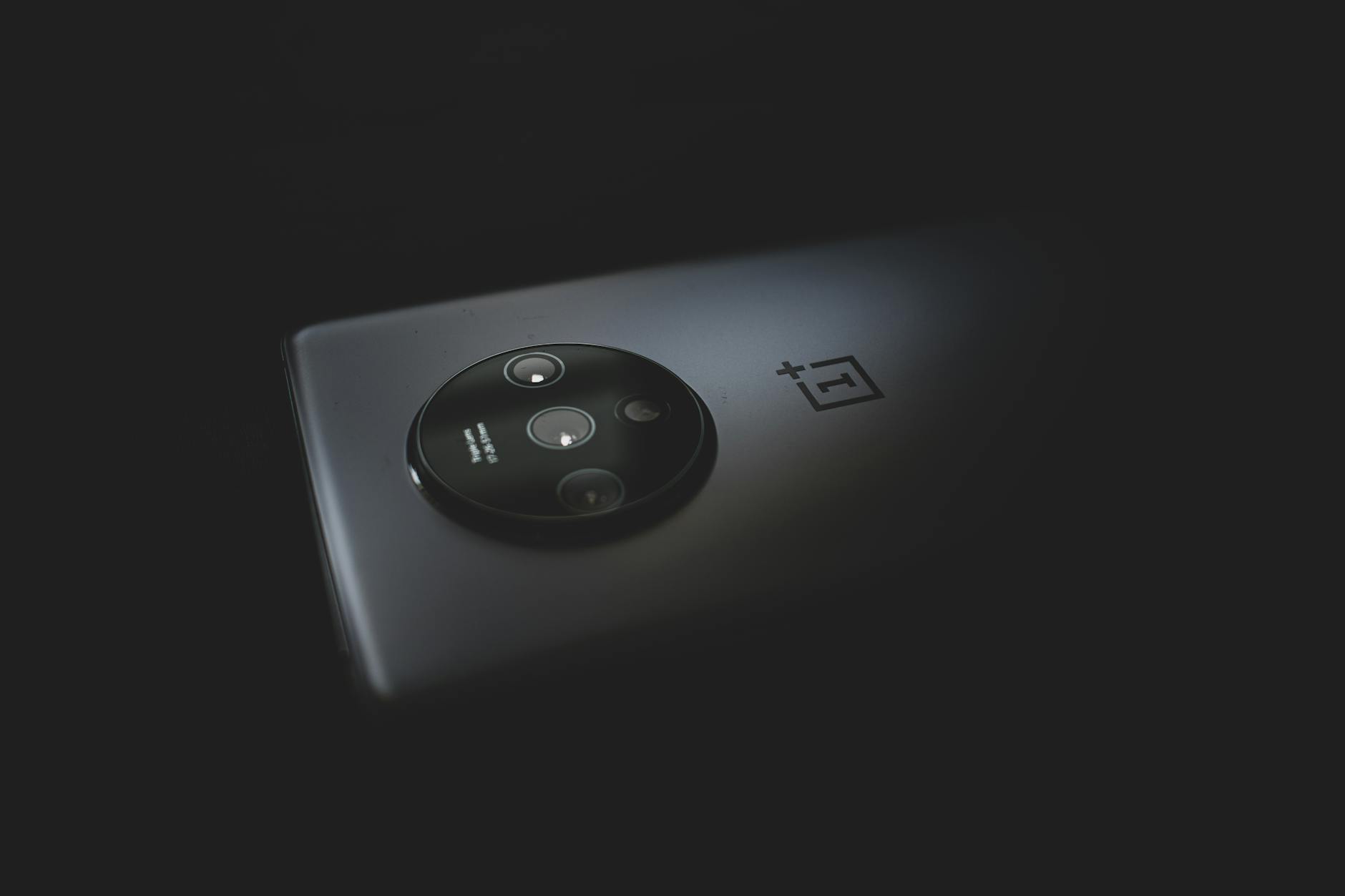
Today’s premium smartphones feature sensor sizes that approach those found in professional cameras. Apple’s iPhone Pro models use a large main sensor that captures significantly more light than previous generations, while Samsung’s Galaxy Ultra series incorporates similar sensor technology traditionally reserved for mirrorless cameras.
The real breakthrough comes from computational photography algorithms that process multiple exposures simultaneously. Night mode captures detailed images in near-darkness without tripods or external lighting. Portrait mode creates professional-looking background blur that previously required expensive prime lenses and careful distance calculations.
Google’s Pixel series demonstrates how software can enhance hardware capabilities. The Magic Eraser feature removes unwanted objects from photos with results that match professional editing software. Real Tone technology accurately captures skin tones across different ethnicities, addressing a long-standing issue in digital photography.
Video capabilities have reached cinema-quality levels. Current flagship phones record in 4K resolution with advanced stabilization that eliminates the shake and jitter common in handheld footage. Dolby Vision HDR recording captures the wide color range and dynamic contrast that professional filmmakers demand.
Professional Features in Consumer Packages
Manual camera controls now standard on premium smartphones give creators the same exposure, focus, and color temperature adjustments found on professional equipment. Pro mode settings allow independent adjustment of ISO, shutter speed, and aperture equivalent settings.
Multiple lens systems provide the focal length variety that photographers previously achieved with expensive lens collections. Ultra-wide lenses capture expansive landscapes and tight interior spaces. Telephoto lenses with optical zoom bring distant subjects closer without image degradation. Macro capabilities reveal intricate details in close-up photography.
Advanced video modes cater to content creators’ specific needs. Cinematic mode on recent iPhones creates rack focus effects where the camera smoothly shifts attention between subjects. Samsung’s Director’s View simultaneously records from multiple cameras, giving editors various angle options in post-production.
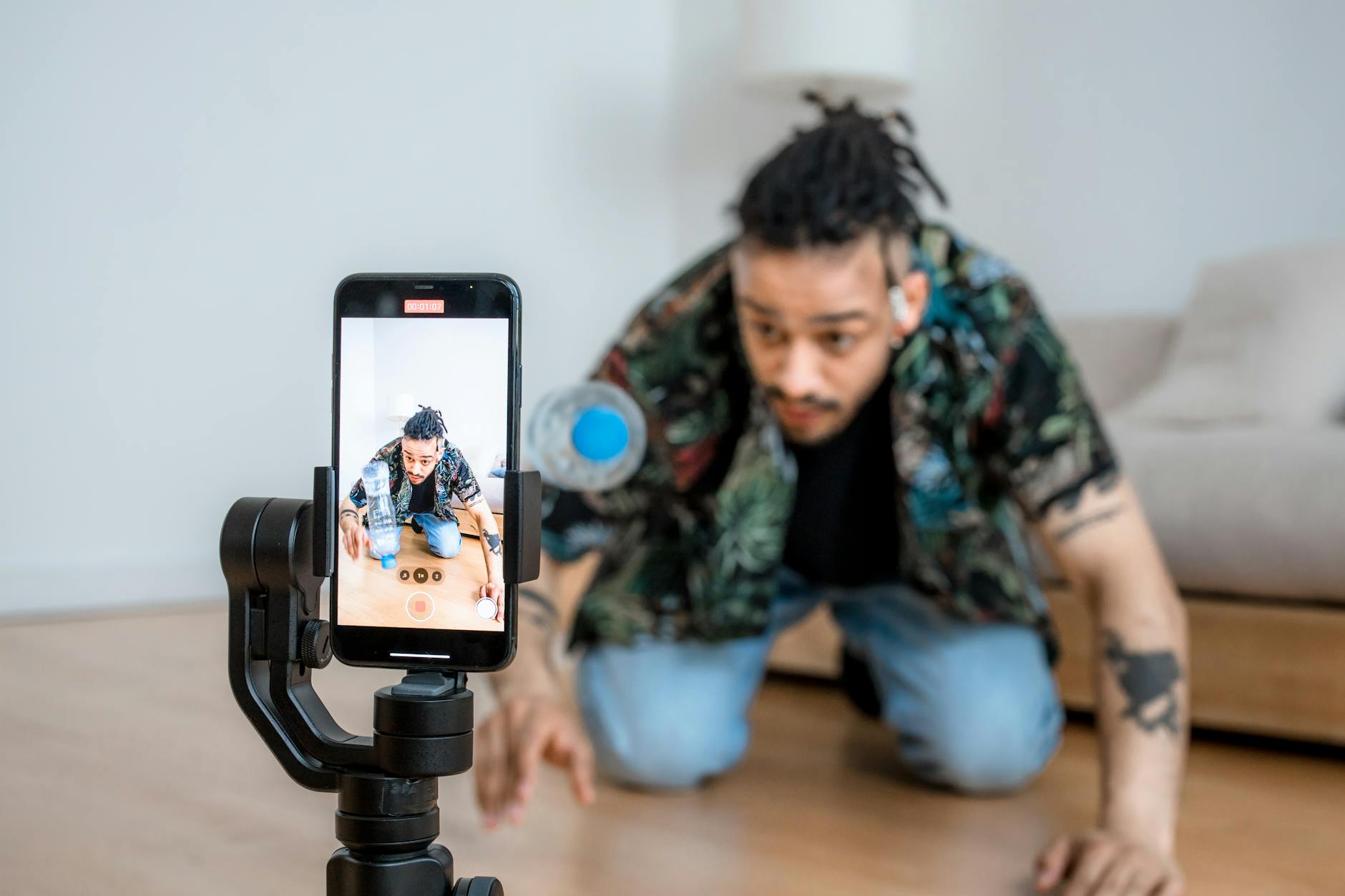
The integration of professional-grade stabilization eliminates the need for external gimbals in many situations. Optical image stabilization combined with electronic stabilization produces smooth footage even during active shooting scenarios.
Content Creation Ecosystems
Smartphone manufacturers have built complete content creation ecosystems around their cameras. Native editing applications provide professional-grade color grading, audio mixing, and effects processing without requiring separate software purchases or computer transfers.
Third-party applications extend capabilities further. FilMiC Pro offers cinema-level manual controls and recording formats. VSCO provides advanced photo editing with professional-quality presets. These applications transform smartphones into complete mobile production studios.
Cloud integration streamlines the creation-to-publication workflow. Creators can shoot content, perform initial edits, and upload to social media platforms without ever transferring files to computers. This immediacy gives smartphone-equipped creators significant advantages in fast-moving social media environments.
Storage capabilities now accommodate extensive video projects. Current phones offer up to 1TB of storage, sufficient for hours of 4K footage. External storage solutions and cloud backup services ensure creators never run out of space during important shoots.
Modern smartphones also connect seamlessly with other tech innovations. Just as wireless charging furniture is finally hitting mainstream home stores, smartphone camera accessories are becoming more integrated and user-friendly.
Industry Adoption and Recognition
Major film productions increasingly incorporate smartphone footage into their workflows. Directors use phones for scouting locations, capturing behind-the-scenes content, and even shooting specific scenes where traditional cameras would be impractical.
Music video directors have embraced smartphone filming for its mobility and discrete nature. The ability to shoot in crowded locations without drawing attention from large camera setups provides creative opportunities impossible with traditional equipment.
Documentary filmmakers particularly benefit from smartphone cameras’ unobtrusive nature. Subjects behave more naturally around phones than professional camera rigs, resulting in more authentic footage. The instant editing and sharing capabilities allow for real-time storytelling and immediate audience engagement.
News organizations have integrated smartphone footage into their reporting workflows. Journalists can capture, edit, and transmit broadcast-quality content from breaking news locations without waiting for camera crews or satellite trucks.
The Creative Democratization
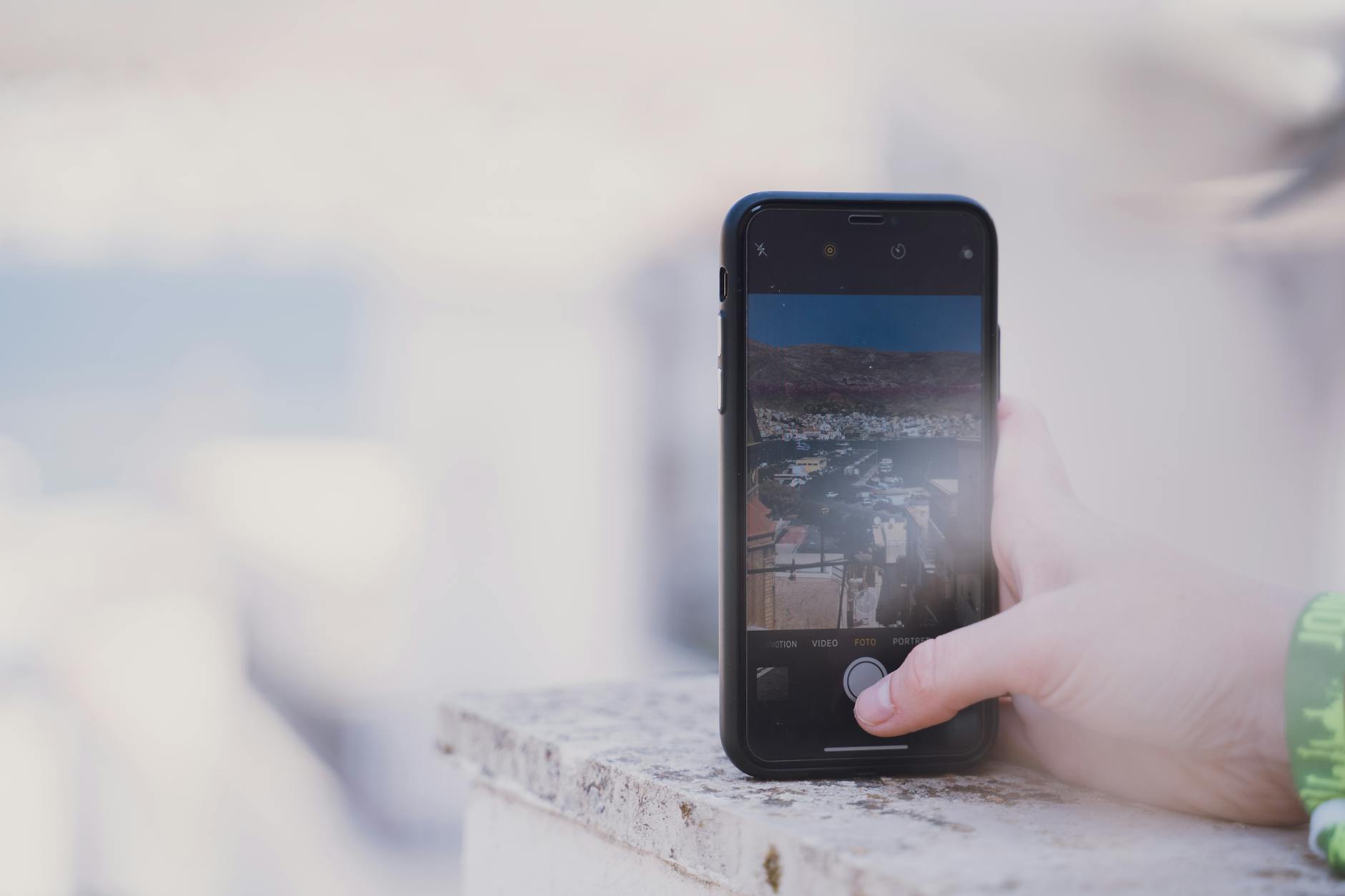
Perhaps the most significant impact comes from creative democratization. Professional-quality content creation no longer requires significant capital investment or technical expertise. Young creators can produce content that rivals established media companies using devices they already own.
This accessibility has spawned entirely new content categories and creative approaches. Vertical video formats optimized for mobile consumption have influenced how traditional media creates content. Short-form video platforms have generated new storytelling techniques that work specifically within smartphone limitations and strengths.
The learning curve for smartphone content creation remains minimal compared to traditional equipment. Automatic modes handle technical complexities while manual controls remain available for advanced users. This graduated approach allows creators to develop skills progressively without overwhelming initial barriers.
Social media platforms have optimized their algorithms to favor high-quality content, regardless of creation method. Smartphone-shot content receives equal consideration with traditionally produced media, leveling the playing field for independent creators.
As computational photography continues advancing and processing power increases, the gap between smartphone and professional camera capabilities will likely disappear entirely. The convenience, connectivity, and creative potential of smartphone cameras position them as the primary content creation tools for the next generation of visual storytellers.
Frequently Asked Questions
Can smartphones really replace professional cameras for content creation?
Modern flagship smartphones deliver professional-quality results for most content creation needs, with computational photography features that often exceed traditional camera capabilities.
What makes smartphone cameras competitive with professional equipment?
Large sensors, multiple lenses, advanced stabilization, computational photography, and integrated editing workflows make smartphones complete mobile production studios.