





A Nation Rethinks What a Weapon Looks Like
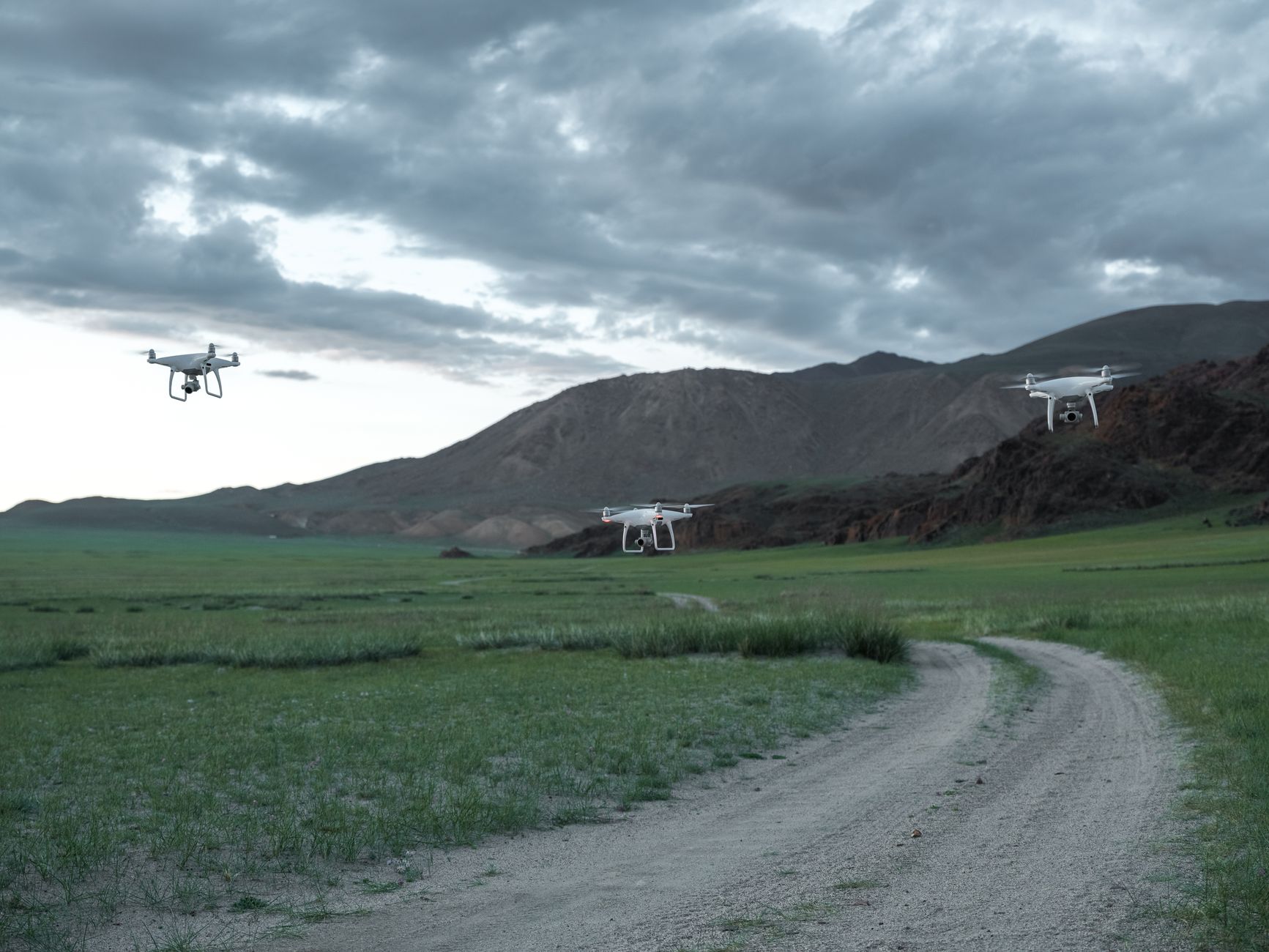
South Korea has announced plans to train every member of its roughly 500,000-strong military to operate drones – not as a specialty skill, but as a standard one, on par with handling a personal firearm.
The Second Weapon Doctrine
On June 26, South Korea’s Minister of National Defense Ahn Gyu-back laid out the specifics at a briefing covered by Reuters and other outlets. The language he used was deliberate: drones should function as a “second personal weapon,” and the military’s goal is to make them a “universal combat tool” across all branches and unit types. That framing matters. It doesn’t position drone operation as something reserved for specialist units or remote pilots sitting in hardened command centers – it puts the technology directly in the hands of every soldier in the field, regardless of their primary role.
The broader package announced alongside this training initiative includes equipping individual military units with larger numbers of cheap, expendable drones suited for surveillance and strike missions. Alongside those offensive tools, South Korea plans to deploy more counter-drone systems – specifically laser weapons and microwave-based platforms designed to neutralize incoming drones before they reach their targets. The combination suggests a military preparing not just to field drones, but to fight in an environment saturated with them on both sides.
South Korea’s existing drone operations command – the headquarters that previously held direct command authority over combat drone units – is being restructured. Rather than retaining that operational control, the reorganized body will shift focus toward collaborating with domestic industry on developing and procuring commercial drone technology, according to The Korea Times. That’s a meaningful pivot: instead of running drone missions from the top down, the command becomes something closer to a procurement and development liaison between the military and South Korea’s tech sector.
Ahn Gyu-back specifically pointed to the wars in Ukraine and the Middle East as the catalyst for these reforms. Both conflicts have produced extensive real-world documentation of what cheap, widely distributed drones do to conventional military assumptions – how they complicate armored advances, expose infantry positions, and give small units the ability to conduct strikes that previously required aircraft. South Korea’s military is treating those conflicts not as distant case studies, but as operational blueprints.
The Technology Behind the Ambition
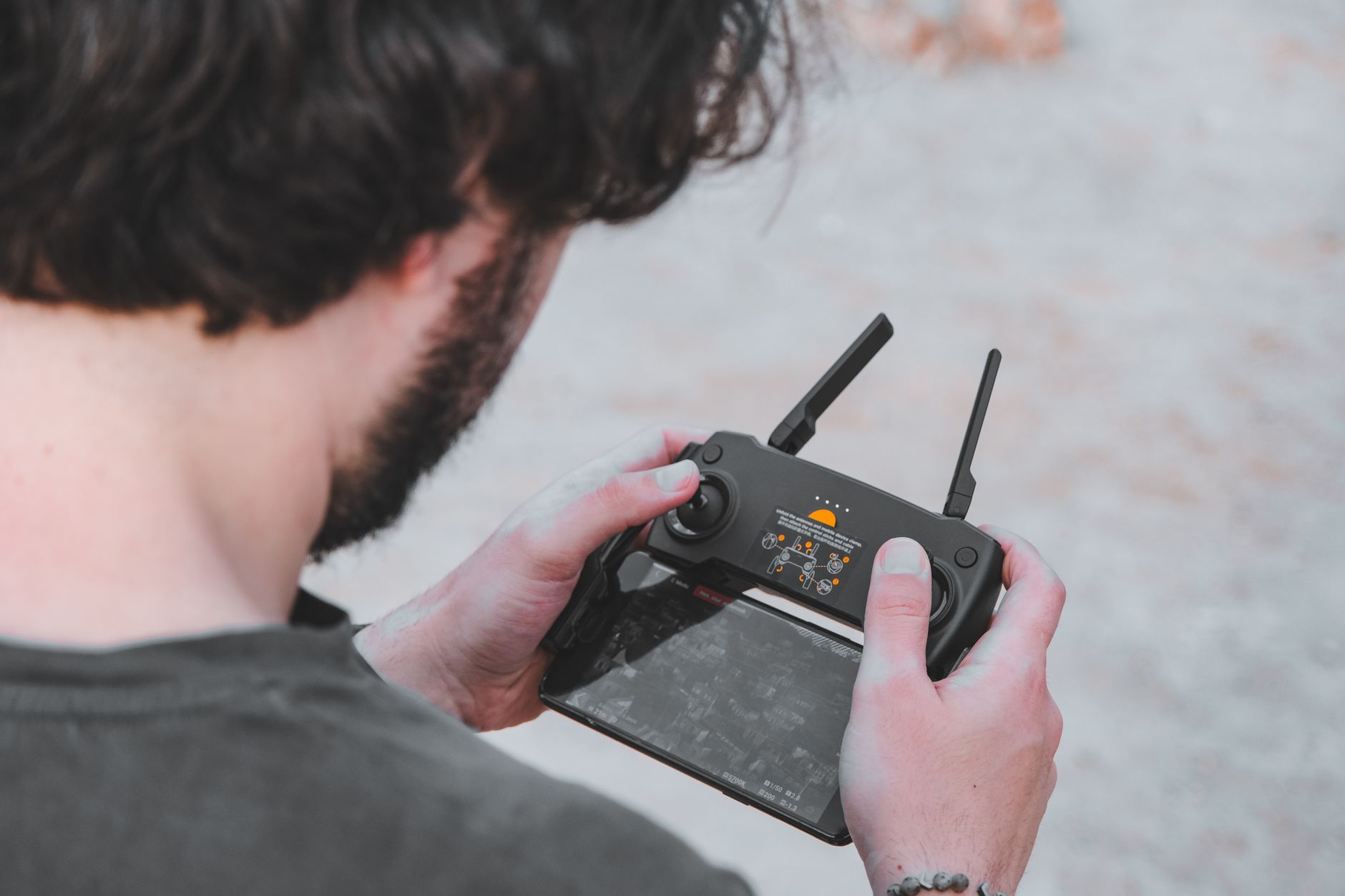
Training half a million soldiers to operate drones is not the same as handing them a rifle. Rifles don’t require firmware updates, GPS signal, or flight planning logic. Drones – even the cheap commercial variants increasingly used in military contexts – demand a different kind of literacy. Operators need to understand airspace, battery limitations, signal interference, camera orientation, and increasingly, how to interact with semi-autonomous flight systems that make decisions without direct human input on every movement. Scaling that knowledge across an entire military is an infrastructure problem as much as a training one.
The “cheap and expendable” framing in the announcement is significant from a hardware standpoint. The drones most likely to be distributed widely at the individual unit level aren’t sophisticated long-range platforms – they’re closer to the commercial quadcopters and fixed-wing FPV (first-person view) craft that have become standard in Ukraine, where units on both sides have adapted off-the-shelf consumer technology for military use. These platforms cost hundreds to low thousands of dollars each, which makes mass distribution financially feasible, but also means their performance ceiling is limited by weather, jamming, and the training level of whoever is flying them.
The counter-drone side of the equation is where things get technically interesting. Laser weapons and microwave systems represent two very different approaches to the same problem. Directed-energy lasers can destroy small drones by burning through their components, but they require sustained beam contact and struggle in adverse weather. Microwave weapons, sometimes called high-power microwave systems, can disrupt or destroy the electronics of multiple drones simultaneously across a wider area – they don’t need to track a single target with precision. Deploying both suggests South Korea is hedging against the tactical variability of drone swarms, which can vary dramatically in size, altitude, and formation.
South Korea’s 70-year standoff with North Korea gives this initiative a specific strategic context that drone proliferation in other countries doesn’t quite match. North Korea operates a large military – significantly larger than South Korea’s in raw troop numbers – and has demonstrated its own drone programs, including incidents where North Korean drones have crossed into South Korean airspace. The threat isn’t hypothetical. What South Korea is building is, in part, a distributed defense architecture: if every soldier can fly and counter drones, the defense against drone incursions doesn’t depend on a small number of specialists being in the right place at the right time.
The restructuring of the drone operations command toward industry collaboration also signals something about how South Korea views the technology cycle for this equipment. Military-specific drone hardware develops slowly and costs significantly more than commercial alternatives. By formally linking the command structure to domestic commercial drone development, South Korea is essentially acknowledging that the fastest path to capable, affordable hardware runs through its civilian tech industry – not through traditional defense procurement timelines. South Korea has a mature consumer electronics and robotics sector, which gives this approach more plausibility than it might have in countries without that industrial base.
What Comes After the Announcement
Turning an intent into a trained force at this scale involves logistics that no announcement resolves. Standardizing drone platforms across a military of 500,000, sourcing or manufacturing enough units for meaningful distribution, building training infrastructure from simulators to field exercises, and maintaining all of it – those are years-long projects whose costs weren’t detailed in the June 26 briefing.
What Ahn Gyu-back’s announcement did make clear is that South Korea is committing to a posture where drone fluency is treated as a basic military competency, not a specialty. Whether the reorganized drone command can actually accelerate domestic procurement in ways that keep pace with that ambition – and whether South Korea’s commercial drone industry can supply the volume and variety the military will need – is the part of the equation that’s still open.