



Horror’s Longest-Running Awards Night Delivers Some Surprises
The Horror Writers Association handed out its 2025 Bram Stoker Awards over the weekend, and the full winners list cuts across novels, screenplays, poetry, graphic novels, and more – a snapshot of where horror writing is concentrating its energy right now. Stephen Graham Jones took the top novel prize. Ryan Coogler won for screenplay. And two writers split the long fiction category in a deliberate tie, which the awards allow by design.
The Bram Stoker Awards have run annually since 1988, named after the Irish author whose 1897 novel Dracula remains the genre’s most recognized touchstone.
The HWA is specific about what the awards mean: winners are recognized for “superior achievement,” not simply for being the best work published in a given calendar year – a distinction that shapes how judges approach the ballot and why ties are not an anomaly but a structural possibility built into the rules.

Jones, Coogler, and a Year That Crossed Formats
Stephen Graham Jones won Superior Achievement in a Novel for The Buffalo Hunter Hunter, adding another award to a career that has made him one of the most discussed names in contemporary horror fiction. The novel continues his engagement with Indigenous history and the genre’s capacity to carry that weight without reducing it to atmosphere. Jones has won the Stoker before – this prize lands differently when it’s not a debut recognition but a confirmation of sustained work.
Ryan Coogler’s win for Superior Achievement in a Screenplay, for Sinners, marks a notable crossover moment. The Bram Stoker Awards have historically centered prose, and a high-profile Hollywood filmmaker picking up the screenplay category brings a different kind of attention to the evening. Sinners drew significant theatrical interest on release, and its recognition here places it alongside prose fiction that rarely gets that level of mainstream visibility.
Mike Mignola won Superior Achievement in a Graphic Novel for Bowling for Corpses and Other Tales from Lands Unknown. Mignola’s career in horror comics stretches back decades, and the Stoker win here reflects the category’s maturity – graphic horror is no longer treated as adjacent to the main event. Linda D. Addison and Jamal Hodge took the poetry award for Everything Endless, a collaboration that brings together two writers who have each built distinct bodies of work in the horror poetry space.

First Novels, Anthologies, and a Deliberate Tie
The long fiction category ended in a tie between Nathan Ballingrud’s Cathedral of the Drowned and A.C. Wise’s “Wolf Moon, Antler Moon” – exactly the kind of outcome the HWA’s rules are written to allow rather than break. Both pieces arrived with strong critical attention, and rather than forcing a single winner, the judges let the scoring stand. It’s an unusual outcome in awards culture, where tiebreakers are usually baked in, and it says something about how seriously the HWA takes the “superior achievement” framing over a ranked-choice model.
Michael Wehunt took Superior Achievement in a First Novel for The October Film Haunt, a debut that had been circulating in horror reading communities well before award season. RJ Joseph won Short Fiction for “Inheritance,” and John Langan’s Lost in the Dark and Other Excursions won the Fiction Collection category – a recognition of a writer who has been working in short horror fiction long enough that the win reads as overdue to many readers familiar with his catalog.
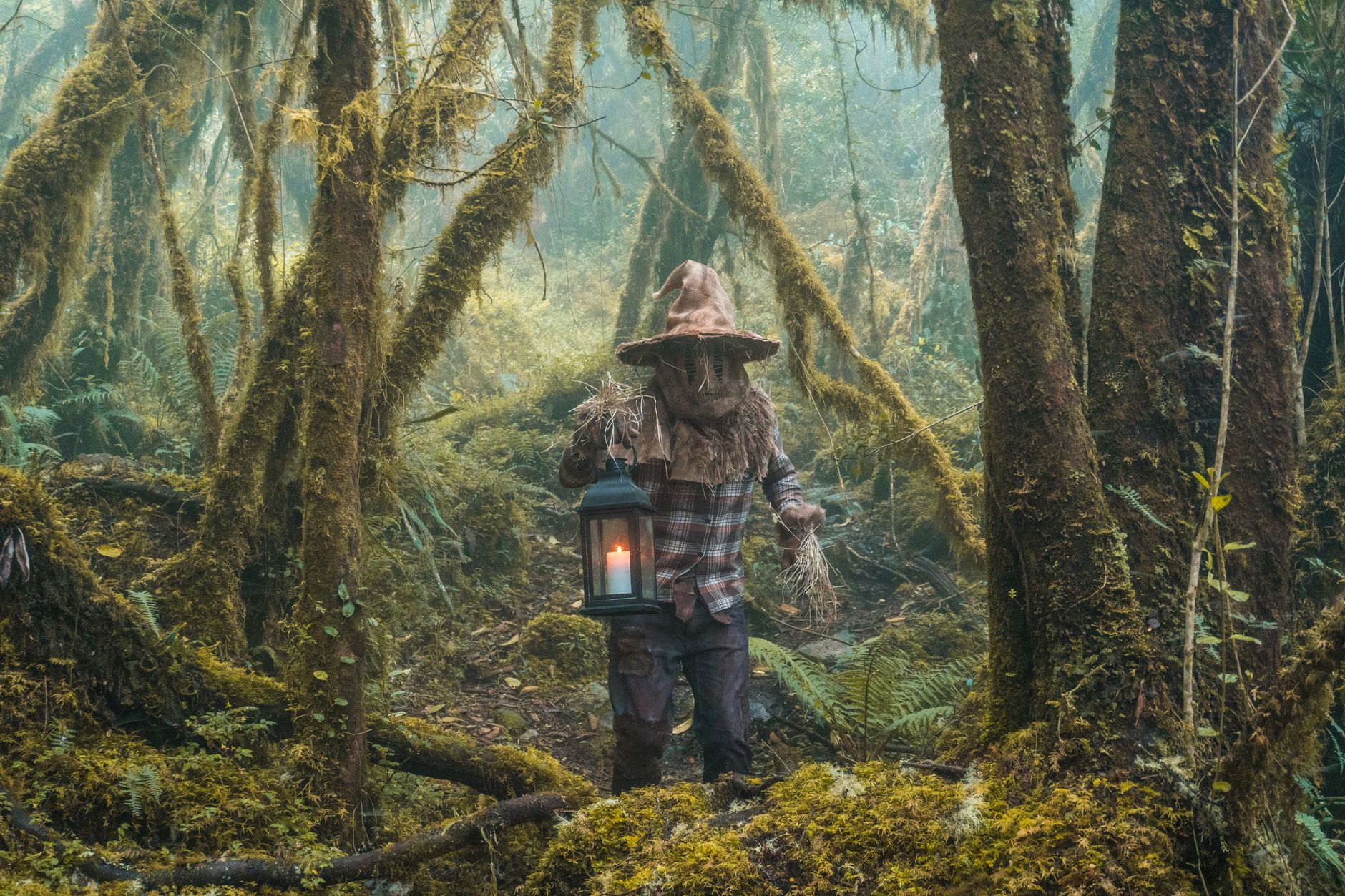
The anthology prize went to Silk & Sinew: A Collection of Folk Horror from the Asian Diaspora, edited by Kristy Park Kulski. Folk horror has expanded significantly as a subgenre over the past decade, moving from a largely British framework – rooted in films and fiction from the 1960s and 70s – into something far more geographically varied. An anthology specifically centered on Asian diasporic folk horror reflects where that expansion is going: not just new settings, but different mythological systems, different anxieties, different relationships between landscape and dread.
The full winners list is available through the Horror Writers Association. What’s harder to measure is whether a year that produced a tie in long fiction, a Hollywood screenplay win, and an anthology built around folk horror from the Asian diaspora signals a genre mid-stretch – or whether the Stoker ballot has always looked this scattered, and readers are only now paying close enough attention to notice.