




A Status, Then Nothing
Emmanuella held something most of her family never had: legal permission to stay. Her Temporary Protected Status gave her a work permit, a Social Security number, a foothold in American life that her relatives had built their assumptions around. Then the federal government ended TPS for Haitian nationals, and the foothold crumbled. She is now doing what thousands of people in her position do when the paperwork runs out – she is disappearing, one quiet decision at a time.
She left her job without telling anyone why.
That silence is not incidental. It is the grammar of a life being systematically dismantled from the outside in, where explanations become liabilities and honesty about your legal situation can accelerate the very outcome you are trying to avoid. What makes Emmanuella’s story worth sitting with – beyond its immediate political context – is how granular the unraveling gets. It does not arrive as a single dramatic event. It arrives as a series of small surrenders, each one barely legible on its own.
What TPS Actually Meant
Temporary Protected Status is not a path to citizenship. It has never been sold as one. Congress created it as a humanitarian stopgap – a way to shield nationals from countries experiencing armed conflict, environmental disaster, or other extraordinary conditions from deportation while those conditions persist. Haiti has qualified on and off since the 2010 earthquake, with the Biden administration extending protections and the Trump administration working to terminate them. For Emmanuella, TPS was the difference between working legally and not working at all.
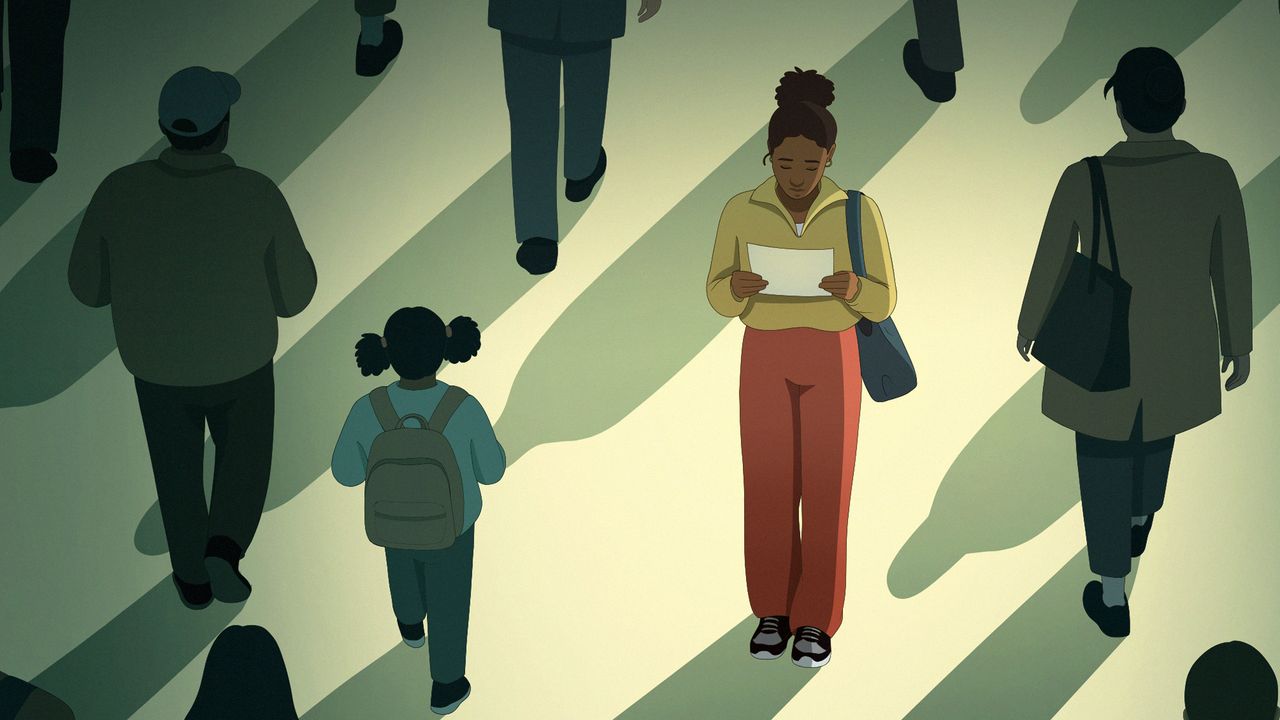
She was the only person in her family who had it. That asymmetry matters enormously. It meant that she was, in some respects, the family’s interface with the formal economy – the one with a documented job, a record, a visible presence in American institutional life. Losing TPS does not just strip an individual of work authorization. It severs the connection between a person and every system that recognizes them: employers, banks, leases, anything that requires proof of legal status. Emmanuella is not simply losing a job. She is losing the architecture that made a recognizable American life possible.
And so she is rebuilding, under duress, with whatever materials are available. One of those materials is marriage.
Desperate Dates and Underground Lives
Emmanuella has been dating frantically, with marriage to a U.S. citizen as an explicit goal. This is not a private embarrassment she is hiding – it is a survival strategy, and treating it as anything lesser would be a failure of honesty about what the situation actually demands. Marriage to a citizen would allow her to apply for a green card, restoring legal status through a different mechanism than TPS. It is a route that immigration attorneys frequently discuss with clients in precisely her circumstances, and it is a route fraught with its own complications: timelines, interviews, the possibility of denial, and the emotional reality of compressing what is normally a years-long relationship into something that must move on an administrative clock.
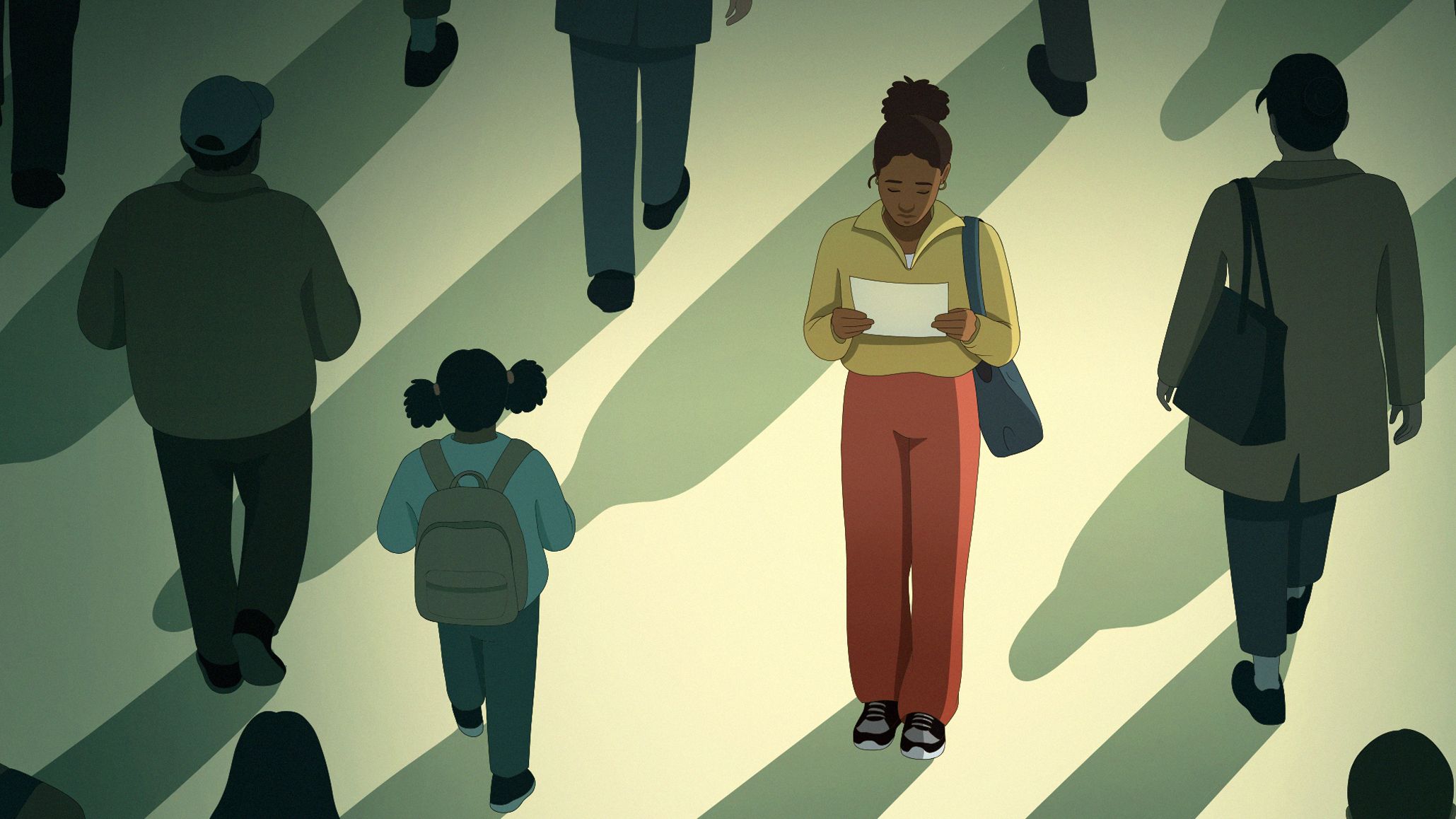
At the same time, she is beginning to go underground. That phrase covers a wide range of lived realities – working off the books, avoiding any encounter that might trigger an immigration check, withdrawing from public-facing spaces that once felt ordinary. For Haitian immigrants without status in the current enforcement climate, going underground is not paranoia. It is a calibrated response to a system that has made clear it intends to find and remove people like her. The Trump administration’s expansion of immigration enforcement, its termination of humanitarian protections for several nationalities, and its rhetoric around Haitian immigrants specifically – including false claims made in public settings – have all contributed to a climate where visibility itself carries risk.
Emmanuella’s situation also illustrates a bureaucratic cruelty that gets less attention than the policy debates: the lag between when a status ends and when enforcement catches up. There is a period, often months long, where a person like Emmanuella is technically out of status but not yet formally in deportation proceedings. That window is not freedom. It is a suspended state of dread, where every decision – whether to renew an apartment lease, whether to open a bank account, whether to call in sick to a job you have already quietly left – carries a weight that people with legal status simply do not carry.
The Costs That Don’t Show Up in Policy Debates
Policy discussions around TPS tend to focus on aggregate numbers: how many people hold the status, what countries they come from, what the economic contribution of the TPS population looks like at scale. Those arguments have their place. But Emmanuella’s story pushes against the abstraction. She is one person, in one family, making one set of impossible calculations – and even at that grain of resolution, the complexity refuses to simplify.
She left her job without a word. That detail deserves more than a passing mention. Leaving without explanation protects her former employer from having to navigate the knowledge of her status. It protects her from a conversation that could go wrong in ways she cannot control. It is an act of self-erasure performed out of practical necessity, and it is also a kind of grief – for a professional life that was real, that she built, that is now simply gone. The job is not a footnote. It was the visible evidence that she had made something work in a country that was not designed with her in mind.

What comes next for Emmanuella is not resolved. The dates may lead somewhere or they may not. The process of going underground may deepen or be interrupted by enforcement. A marriage, if it happens, begins its own complicated legal odyssey rather than ending one. There is no clean arc available to her – only a sequence of pressures that the end of a single immigration designation set in motion, reshaping what she does with her mornings, who she sits across from at dinner, and whether she answers the door.