
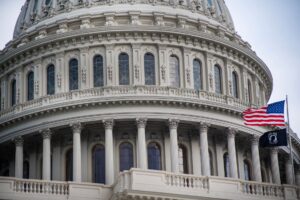




A Sitting Congresswoman in the Crosshairs
The Trump Administration’s move to revoke the citizenship of Ilhan Omar – a sitting member of the United States Congress – has opened a legal and political confrontation with no modern precedent, forcing a direct question about whether dissent from an elected official can be treated as grounds for denaturalization.
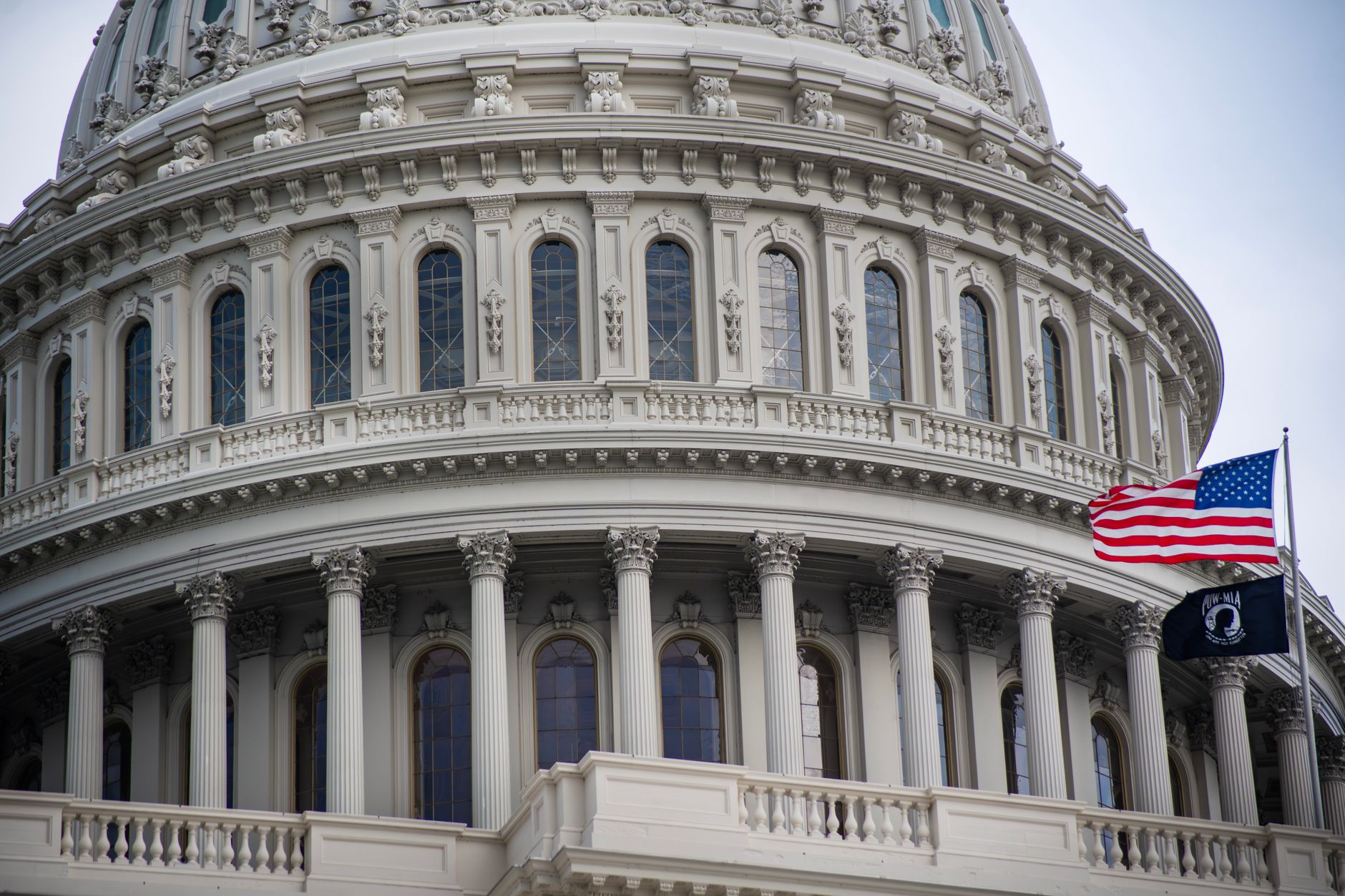
What the Administration Is Actually Doing
Stripping citizenship from a naturalized American is not a casual administrative act. It requires the government to prove, typically in federal court, that citizenship was obtained through fraud or material misrepresentation at the time of naturalization. The bar is high by design – denaturalization cases have historically been reserved for war criminals, identity fraudsters, and those who concealed membership in persecutory organizations. Applying that framework to a sitting congresswoman is a different category of action entirely.
Omar, a Democrat representing Minnesota’s 5th congressional district, was born in Somalia and came to the United States as a refugee. She became a naturalized citizen and was first elected to Congress in 2018, making her one of the first two Muslim women ever to serve in that body. Her politics have been consistently to the left of the Democratic mainstream, and she has been among the most vocal critics of American foreign policy, Israeli military operations, and the Trump Administration’s domestic agenda. That record of criticism is the visible backdrop against which the citizenship question has arrived.
The Administration has not made its full legal theory public, which itself carries weight. When the government signals intent without laying out grounds, the ambiguity does specific work – it puts the target in the position of defending against a charge that hasn’t been formally articulated, while everyone watching absorbs the message that the charge exists at all. That is a different kind of legal pressure than a filed case with stated claims.
Whether any court would sustain an effort to denaturalize Omar based on her political positions is, on current constitutional law, unlikely. The First Amendment applies to naturalized citizens with the same force as to the native-born. But the question of whether the administration would prevail in court is separate from the question of what the attempt communicates and what it costs the person at the center of it.
Loyalty, Dissent, and the Architecture of Belonging
The deeper issue isn’t strictly legal. It concerns a particular idea of what citizenship means and who it protects. Native-born Americans cannot have their citizenship revoked for their opinions. Naturalized citizens occupy a technically different legal category, and that difference – long dormant in practice – is now being activated as leverage. The implication is that naturalized citizenship carries a conditional quality that birth-right citizenship does not: earn it, keep it, but say the wrong things and watch it become a subject of review.
That logic has a history worth understanding. The mid-twentieth century saw denaturalization used against political radicals and suspected communists, in proceedings that courts eventually narrowed and in some cases reversed. The Supreme Court’s 1967 ruling in Afroyim v. Rusk significantly constrained the government’s ability to strip citizenship involuntarily, holding that Congress lacks the power to take away citizenship without the citizen’s consent. Later decisions reinforced that denaturalization requires proof of fraud in the original naturalization process – not proof of bad behavior afterward. The Administration’s approach to Omar would have to navigate that precedent.
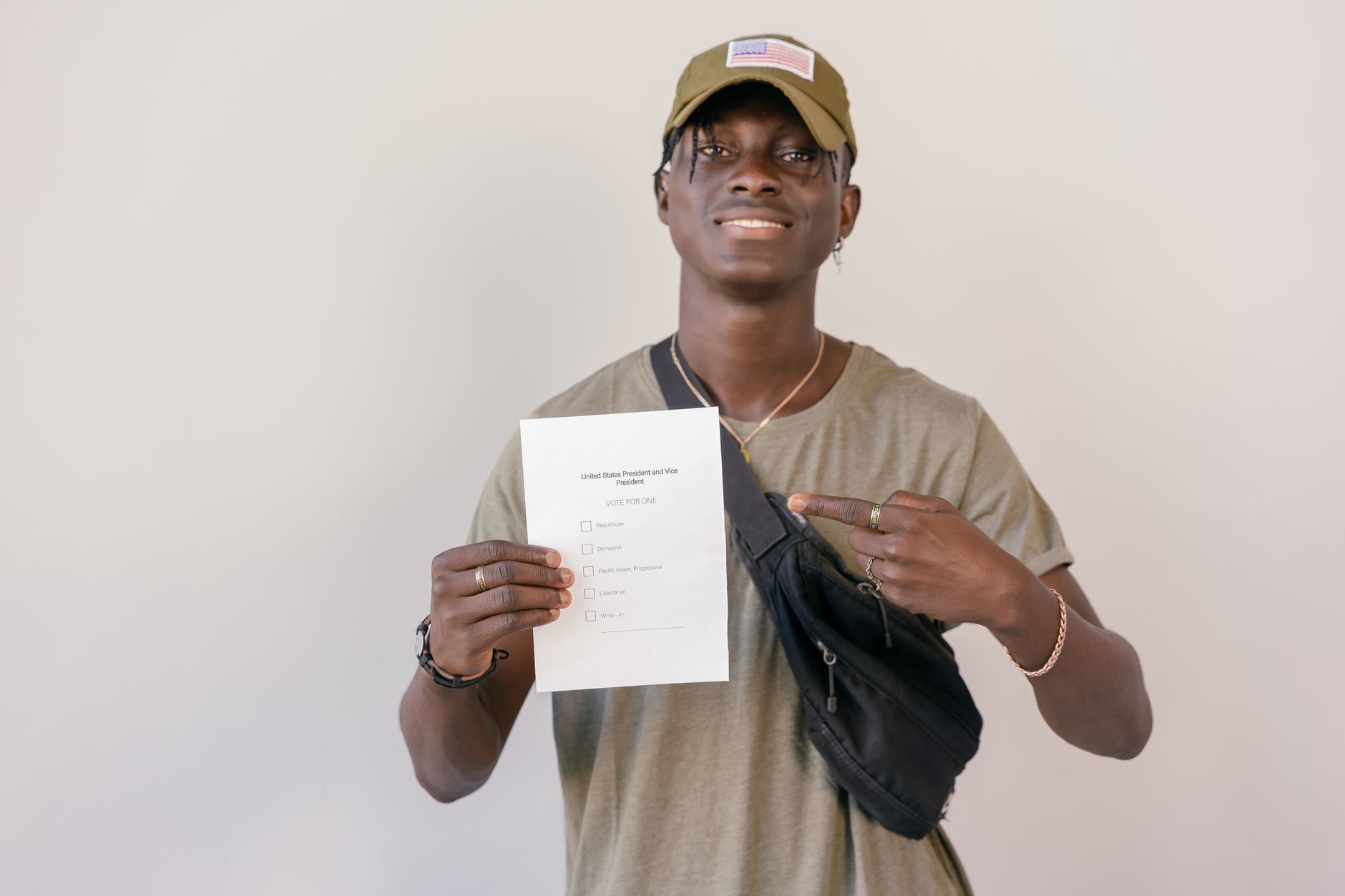
What the case is doing culturally, regardless of its legal trajectory, is reactivating a very old and very American anxiety about which immigrants are the right kind. Omar’s visibility – her hijab, her accent, her willingness to criticize American policy in terms that make mainstream politicians uncomfortable – makes her a useful figure for an administration that has built significant political energy around the idea that some Americans’ belonging is more provisional than others’. The targeting is not incidental. It is the point.
There is also the question of what the case signals to the estimated 23 million naturalized American citizens who are watching. Most of them will never run for Congress or criticize a sitting president from a House floor microphone. But the message the Administration is sending is legible at every level: political visibility, combined with political opposition, combined with foreign birth, can produce a kind of jeopardy that other Americans do not face. That is not a legal argument. It is a social one, and it travels faster and further than any court filing.
Omar herself has not retreated. She has continued to speak publicly, continued to serve in her congressional role, and continued to frame the Administration’s actions in terms of political persecution rather than legitimate legal process. Whether that framing lands with the broader public will depend substantially on how the press covers the procedural details – an area where the gap between what is legally significant and what is narratively gripping has historically not favored accuracy. The 2026 midterms will be the first electoral test of whether voters treat this kind of action as executive overreach or as a legitimate use of government authority.
The Chilling Effect Is the Mechanism
Even a case that goes nowhere in court succeeds if it produces silence. Other naturalized citizens in elected office, or those considering a run, now have to factor in a risk that their native-born colleagues do not carry. The Omar case doesn’t have to end in revocation to function as a warning. The government announcing its interest in your citizenship – while you are actively serving in Congress – is itself a form of pressure.

The Administration has built a record of using executive attention as a punitive tool: directing federal investigations, threatening funding, revoking security clearances, and now, floating denaturalization. Each individual action tests a boundary. The Omar case tests one of the most fundamental: whether elected office provides any protection against government targeting of the official’s right to remain in the country at all. Right now, no final answer exists – only the question, left hanging in public, doing its work.