





The Dog the Story Forgot
Everyone knows the count: one hundred and one Dalmatians, rescued from Cruella de Vil, returned to safety, celebrated across decades of film adaptations, merchandise, and cultural memory. The number is right there in the title. It has been right there since the beginning.
But the hundred-and-second Dalmatian? Silence.

What the Official Tally Leaves Behind
The rescue of the hundred and one Dalmatians is treated as a complete story – a clean moral transaction between heroism and villainy, with the arithmetic functioning as proof of virtue. One hundred and one saved. Cruella defeated. The case is closed, the dogs are home, the number is enshrined. Nobody asks whether the number itself was the problem.
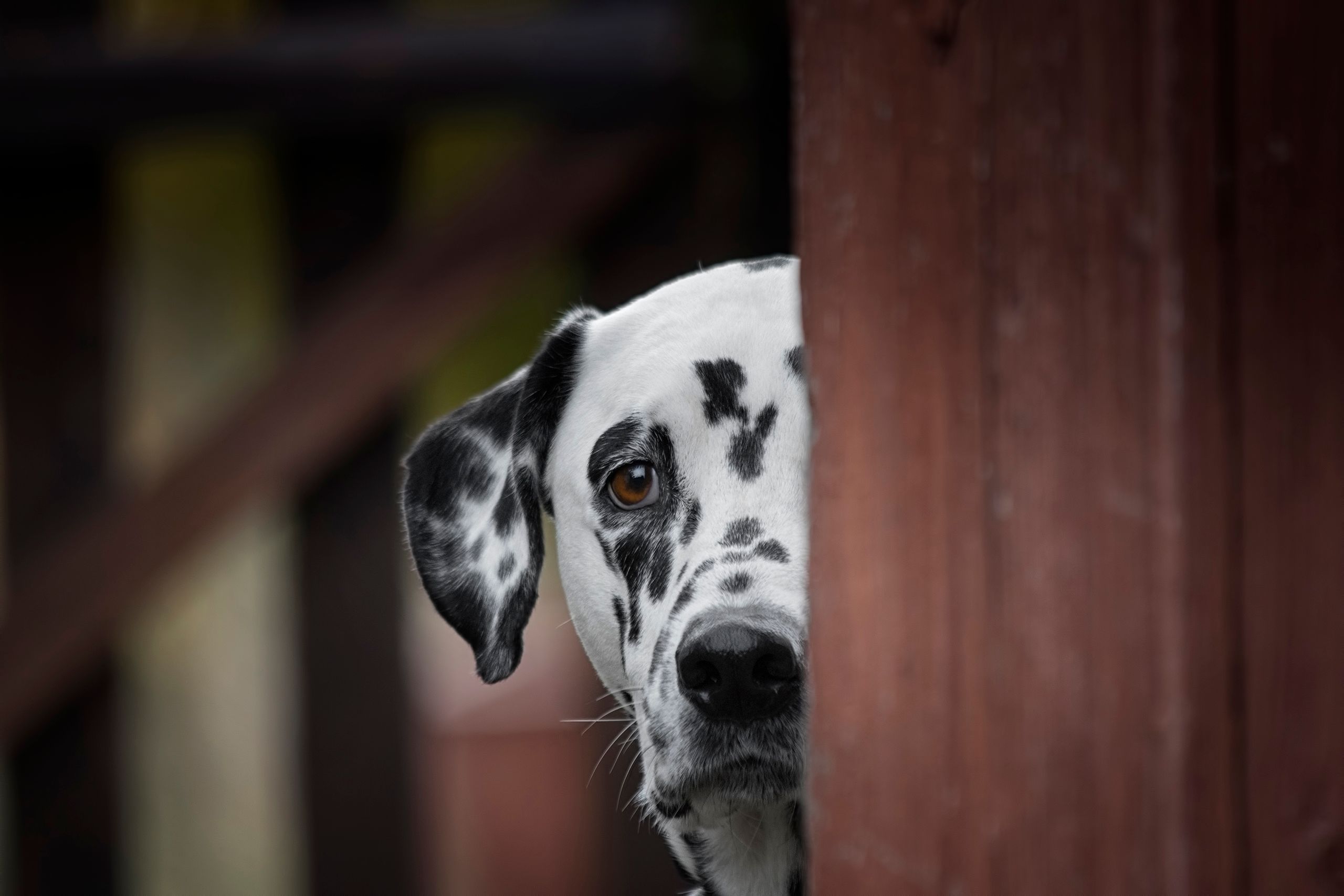
The hundred-and-second Dalmatian did not make it into the headline. Whether this was an oversight of counting, a failure of logistics, or simply the cost of a narrative that needed a round-enough number to feel satisfying is not something the official story addresses. It does not address the hundred-and-second Dalmatian at all. That dog exists only in the gap between what was announced and what actually happened.
There is something worth sitting with in the specificity of that omission. Not ninety-nine saved. Not an even hundred. One hundred and one – a number just irregular enough to signal authenticity, to suggest that no one was padding the count, that the rescue was real and precise and accounted for. The irregularity was doing rhetorical work. It made the story feel honest. And that is exactly the kind of number that makes it easy to miss one.
The Arithmetic of Heroism
Rescue narratives depend on totals. The total is the proof. When a number gets attached to an act of saving – whether animals, people, or anything else culture decides is worth commemorating – that number becomes the story’s spine. Everything else bends around it.
One hundred and one is a number that has been repeated so many times it functions less as a count now and more as a brand. The hundred-and-second is the version of events that did not become a brand.
A Quiet Revision to a Loud Story
The New Yorker’s humor column “Shouts and Murmurs” raised the hundred-and-second Dalmatian as exactly the kind of detail that cultural enthusiasm tends to bury. The piece is brief – deliberately so – because the point does not require elaboration. The gap speaks for itself the moment you notice it.
What makes the observation stick is that it asks nothing dramatic of the original story. It is not an accusation against the rescuers. It does not recast Cruella as misunderstood or argue that the hundred and one were somehow undeserving of their fame. It simply notes that the celebration of one number has, for a very long time, foreclosed any curiosity about whether that number was complete.
Celebrated stories develop a kind of structural immunity to follow-up questions. The hundred and one Dalmatians have been adapted into Disney animated features, live-action films, and a television spinoff focused on Cruella’s origin story. The cultural apparatus built around the rescue has grown considerably more elaborate than the rescue itself. None of it has found room for the hundred-and-second.
That dog has no spinoff. No origin story. No merchandise. The number one hundred and one has been so thoroughly absorbed into the cultural vocabulary that questioning its completeness feels almost impolite – as if asking for a recount at a ceremony where the medals have already been handed out and the speeches are done and everyone has gone home satisfied.

The Dog That the Count Couldn’t Hold
The hundred-and-second Dalmatian is not a symbol of systemic failure or an indictment of anyone’s intentions. It is something smaller and, in its smallness, harder to dismiss: a single data point that the story needed to not exist in order to remain the story it became. The number one hundred and one required that dog to be either uncounted or quietly subtracted from a narrative that had already decided what the final tally meant.
What that dog’s name was, whether it was a puppy or full-grown, spotted heavily or lightly – none of that information is available, because none of it was ever recorded. You cannot mourn what was never named. You can only notice, eventually, that the number in the title and the number in reality may not have been the same number, and that nobody who celebrated the rescue ever seemed particularly interested in checking.