





The modular phone concept has died and been reborn more times than a superhero franchise. Google’s Project Ara promised revolutionary customization before vanishing. Motorola’s Moto Mods offered glimpses of potential before fading away. LG’s modular experiments barely made it past prototypes. But today, a new wave of companies is finally cracking the code that stumped tech giants for over a decade.
Unlike previous attempts that focused on complex engineering puzzles, today’s modular phone revival centers on practicality and repairability. Framework Computer proved the concept works with laptops, and now smartphone makers are applying those lessons to create devices that users can actually upgrade and repair themselves.

The Fairphone Leads the Sustainable Charge
Fairphone has emerged as the unlikely champion of modular smartphone design. The Dutch company’s latest models offer what previous modular phones couldn’t deliver: genuine long-term usability without sacrificing performance. Users can swap cameras, replace batteries, upgrade displays, and change speakers using nothing more than a standard screwdriver.
The company’s approach differs fundamentally from earlier attempts. Instead of trying to reinvent smartphone architecture, Fairphone optimized existing designs for modularity. The result is a device that feels like a conventional smartphone but comes apart like sophisticated Lego blocks. Battery degraded after two years? Pop in a new one. Camera technology improved? Upgrade just that component.
European markets have embraced the concept enthusiastically, with Fairphone reporting consistent growth and expanding availability. The phones now work seamlessly with major carriers across Europe, addressing one of the key barriers that sank previous modular attempts.
Why This Revival Is Different
The current modular phone movement succeeds where others failed by focusing on three core principles: simplicity, sustainability, and real-world problem-solving. Previous attempts like Project Ara tried to create infinitely customizable devices with dozens of swappable modules. Today’s successful modular phones limit options to components users actually want to upgrade or replace.
Battery life remains smartphones’ biggest weakness, and modular designs address this directly. Instead of requiring professional repair services or complete device replacement, users can install fresh batteries themselves in minutes. This single feature alone justifies the modular approach for many consumers.
The timing also works in modularity’s favor. Right-to-repair legislation is advancing globally, creating regulatory pressure for more repairable devices. Meanwhile, environmental consciousness has reached mainstream acceptance, making sustainability a selling point rather than a niche concern.
Component standardization has improved dramatically since earlier modular attempts. Camera sensors, processors, and other key components now follow more consistent form factors, making it easier for manufacturers to create swappable modules without custom engineering for every part.
Beyond Fairphone: The Growing Ecosystem
While Fairphone leads the consumer market, other companies are exploring modular designs for specific use cases. Industrial applications have embraced modular smartphones for field work, where ruggedization modules, extended batteries, and specialized sensors provide clear value propositions.
The maker movement has also contributed significantly to modular phone development. Open-source hardware projects now offer modular smartphone kits that enthusiasts can assemble and modify. These projects, while serving smaller audiences than mainstream phones, drive innovation that eventually filters into commercial products.
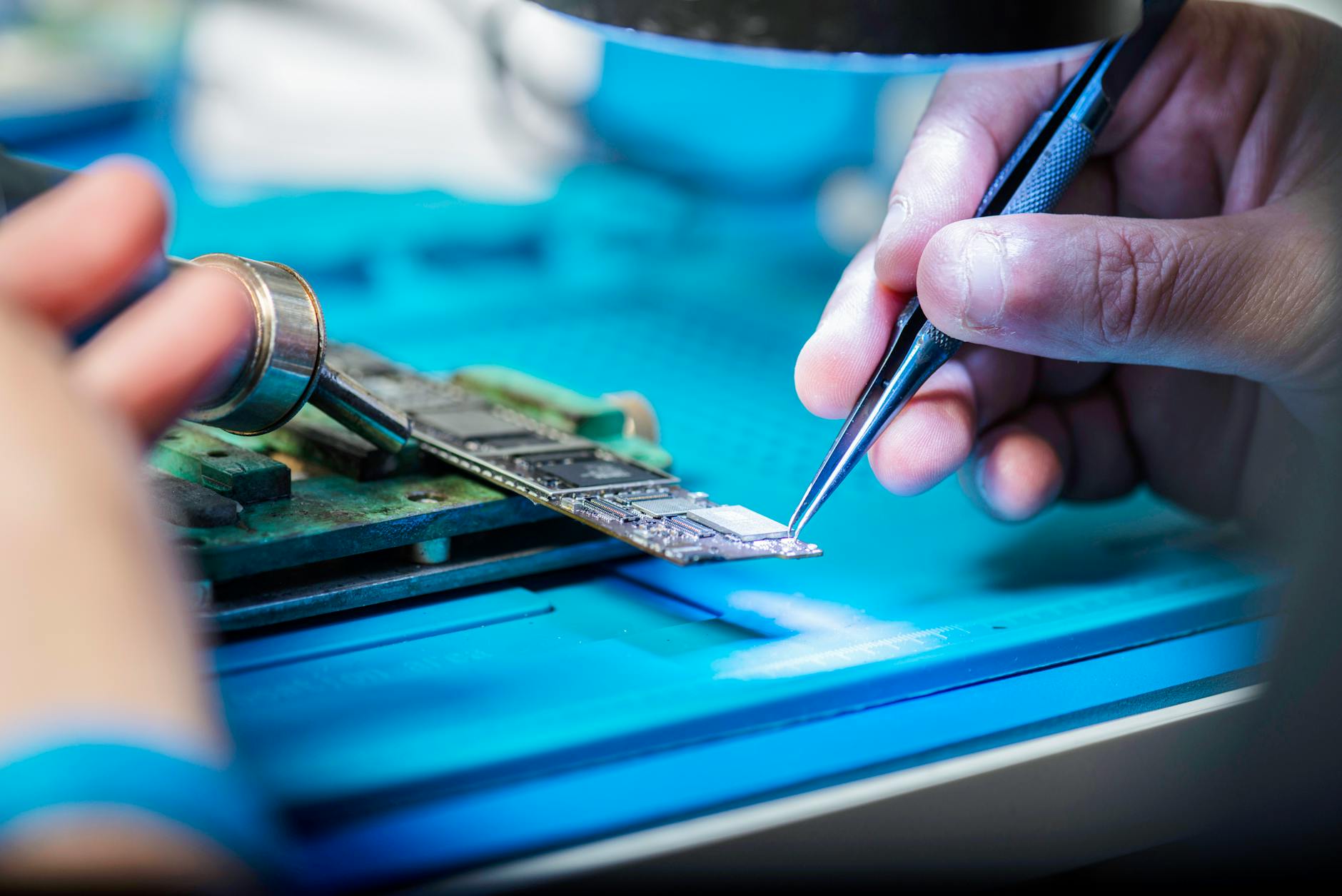
Repair shops worldwide report growing demand for modular phone services, even retrofitting non-modular devices with more repairable components. This grassroots movement creates practical expertise and market demand that supports larger commercial efforts.
Component manufacturers have taken notice, with several major suppliers now offering standardized modules designed specifically for modular smartphone applications. This supply chain development was missing from earlier modular phone attempts, which often relied on custom components that proved economically unsustainable.
Like the evolution we’re seeing in wearable technology, where smart rings are becoming the new status symbol over smartwatches, modular phones represent a shift toward more thoughtful, sustainable technology choices that reflect users’ values alongside their practical needs.
The Technical Reality Check
Modern modular phones still face inherent limitations that solid-body designs avoid. Physical connections between modules create potential failure points that sealed devices don’t have. Waterproofing becomes more complex when devices need to come apart regularly. Battery life can suffer slightly due to the additional circuitry required for modular connections.
However, these trade-offs have become far more manageable than in previous generations. Current modular phones achieve water resistance ratings comparable to conventional smartphones through improved sealing technology. Battery performance differences have shrunk to barely noticeable levels in real-world usage.
Processing power presents less of a limitation than critics expected. Most users don’t need flagship-level performance for daily tasks, and modular phones now offer processors capable of handling everything from productivity work to casual gaming without compromise.
The upgrade path provides genuine value that conventional phones can’t match. Instead of replacing entire devices every few years, modular phone users can selectively upgrade components as needed, potentially extending device lifespans from two years to five or more.
Looking Forward: Mainstream Adoption
Major smartphone manufacturers are quietly exploring modular designs for future products, though most remain focused on specific components rather than fully modular systems. Battery replacement represents the most likely entry point for mainstream adoption, followed by camera upgrades and storage expansion.
The success of modular phones depends largely on component ecosystem development. As more manufacturers standardize module formats and third-party suppliers enter the market, costs will decrease and options will expand. This virtuous cycle could eventually make modular design competitive with conventional smartphone manufacturing.
Consumer education remains crucial for wider adoption. Many potential users don’t realize how simple modern modular phone maintenance has become, still associating the concept with complex engineering projects rather than straightforward upgrades.
The modular phone revival isn’t just about technology – it represents a fundamental shift toward sustainable, repairable electronics that respect both users and the environment. Unlike previous false starts, this movement has the practical foundation, market conditions, and consumer demand needed for long-term success. The question isn’t whether modular phones will survive this time, but how quickly they’ll transform the entire smartphone industry.
Frequently Asked Questions
What makes current modular phones different from previous attempts?
Today’s modular phones focus on practical repairability and sustainability rather than complex infinite customization, making them actually usable.
Which company leads the modular phone market?
Fairphone currently leads with devices that let users easily replace batteries, cameras, displays and speakers using just a screwdriver.