





Homer’s Homecoming Problem
Christopher Nolan is betting his next film on one of the oldest stories in Western literature. His new Odyssey, starring Matt Damon and Anne Hathaway, arrives this week into a long tradition of directors, novelists, translators, and now artificial intelligence trying to wrestle Homer’s epic into a new shape – and mostly losing. The source material has survived every era not because adaptors got it right, but because audiences keep returning to the same hunger: someone far from home, trying to get back, running out of time.
That hunger has produced everything from Cannes-caliber literature to expensive television no one remembers.
What follows is a ranking of ten Odyssey adaptations – spanning 1616 to 2026, from Chapman’s English translation to a large language model licensed to sound like Michael Caine – assessed not for academic virtue but for what they actually do with the material they inherited. Some of these work. Most have the same problem David Denby diagnosed in a recent New Yorker letter: the story keeps defeating the people who try to tell it.

The Bottom of the List Is Crowded for a Reason
The lowest rank on this list belongs to something that isn’t quite a film or a book at all. In 2026, actor Michael Caine licensed his voice to a large language model, producing a robot avatar capable of reading The Odyssey aloud in his plummy register. Setting aside every broader argument about AI and creative labor, this particular application fails on the most basic terms: a narrator who did not read the text cannot transmit anything about it. The oral tradition Homer belongs to was built on human memory, human error, human breath. A synthesized voice reading an epic poem is a category confusion dressed up as convenience.
Just below that sits the 1968 Italian miniseries L’Odissea, currently available to watch in French on YouTube. Denby revisited it specifically to illustrate how often The Odyssey resists literal adaptation. His verdict was precise: “As the camera roams the ruins of Troy, we get a stern historical lecture, followed by heavily populated scenes of actors standing around talking or gazing out to sea. The moviemaking is faithful, literal, and dead.” Faithfulness, it turns out, is not the same thing as understanding.
The 1997 television miniseries starring Eric Roberts and Vanessa Williams occupies a strange position in this ranking – strange because it was, according to Variety at the time of its release, “on a minute-to-minute basis the most expensive TV drama ever made,” and yet it left almost no impression on the culture. Critics praised the adventure sequences and dismissed the script for lacking the “insight or depth” of Homer’s original. Money spent on scale is not money spent on meaning. Meanwhile, the 1954 Hollywood production Ulysses suffered a different indignity: New York Times critic Bosley Crowther dismissed its Technicolor excess and longed for “someone a trifle more transcendent” in the lead role, sparing no warmth for Kurt.
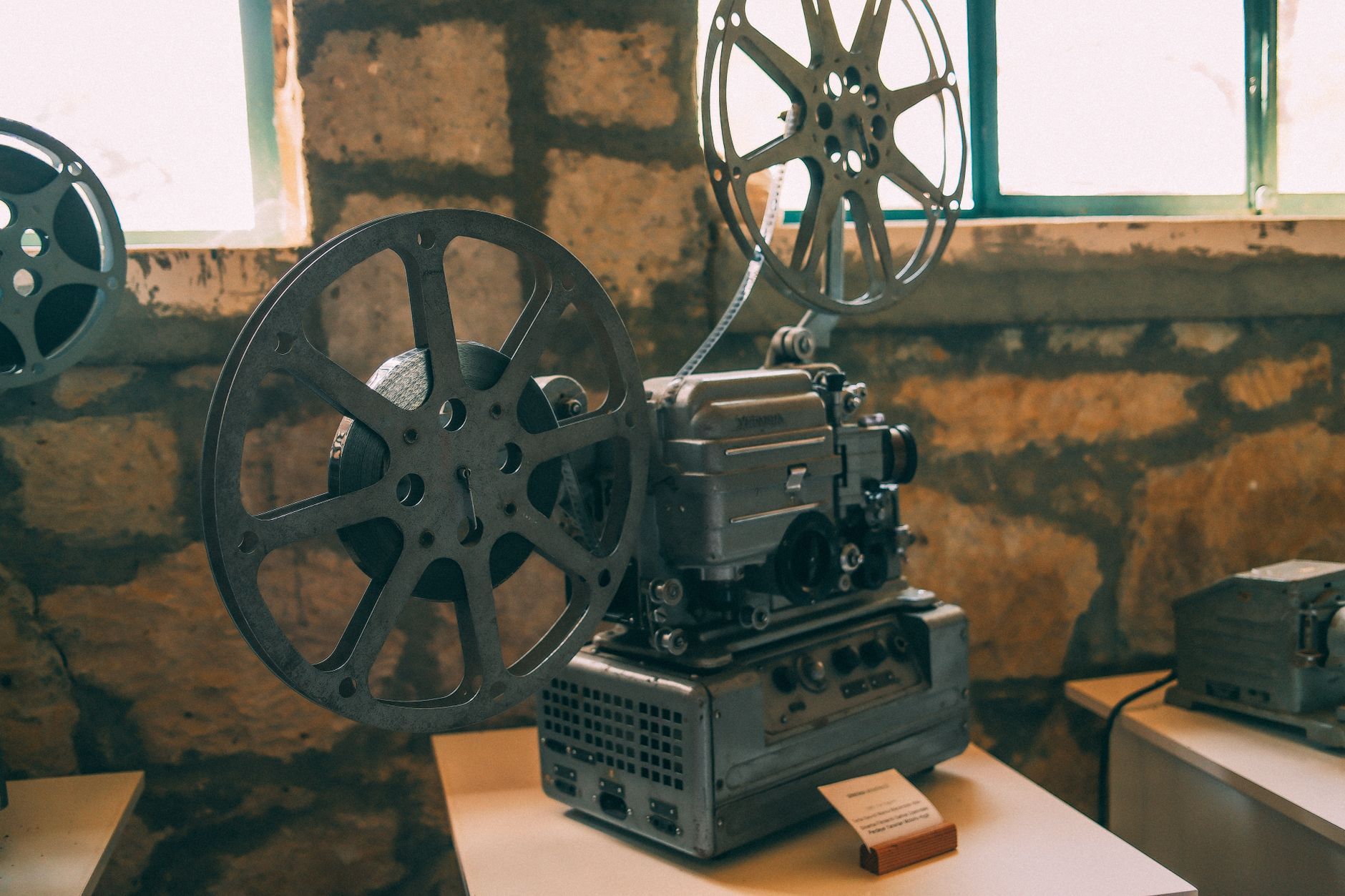
The Versions That Found Something Worth Keeping
George Chapman’s 1616 English translation sits at number six less for its literary achievement than for what it made possible. Chapman brought Homer to English-reading audiences for the first time, which counts for something regardless of his methods. Historian Richard H. Armstrong, writing in the Los Angeles Review of Books, noted that Chapman’s translation is “surrounded by punchy commentary and wild claims, both for Homer’s genius and his own bona fides as a translator.” Chapman was not modest about what he had done. Whether or not that modesty would have been warranted, the work opened a door that everyone further up this list walked through.
James Joyce’s Ulysses, published in 1922, ranks fifth – not because it fails, but because its category is genuinely contested. If structural and thematic rhyming with Homer qualifies, then Charles Frazier’s Cold Mountain and Scorsese’s After Hours would also belong here, and the list becomes something else entirely. Ulysses earns its place because it is the most direct literary descendant of Homer’s original: Dublin stands in for Ithaca, a single day compresses the epic’s years, and Leopold Bloom’s wandering through the city carries the specific weight of a man trying, without quite admitting it, to return to something. Fourth on the list is The Wizard of Oz – L. Frank Baum’s source novel adapted by Victor Fleming in 1939 – included here because Dorothy Gale’s journey home reverses a key assumption of the hero’s journey. She does not arrive in Oz full of confidence only to be humbled. She arrives uncertain and builds toward power. The voyage home is the point, not the reward. That kind of structural inversion is what separates an adaptation worth reading from one that merely retells.
The top three spots on this list are claimed by Emily Wilson’s translation, which the source article places at number three – a position that reflects the critical reception her 2017 work received as the first English translation of The Odyssey by a woman. Wilson’s version stripped away the accumulated grandeur of centuries of male translators and found a Penelope, a Telemachus, and an Odysseus who sound like people under pressure rather than monuments in verse. What she did with the opening line alone – translating andra as “a complicated man” rather than reaching for something heroic – announced that the translation was going to be honest about what Homer actually wrote.

Nolan’s film now joins this list whether it earns the placement or not. Matt Damon and Anne Hathaway will be measured against every version above – against Wilson’s precision, against Joyce’s compression, against even Dorothy Gale’s quiet insistence that getting home is not a small thing. The 1997 miniseries was the most expensive television drama ever made per minute when it aired, and cultural memory swallowed it whole without leaving a mark. The question is not whether Nolan can spend enough money to make the journey feel real. It’s whether he found anything in the text that the camera actually wants to show.