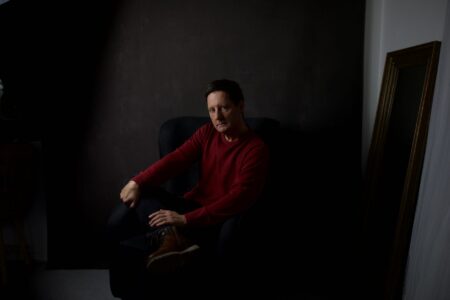





The fashion world’s most expensive status symbol isn’t a diamond-encrusted Birkin bag or limited-edition sneakers. It’s invisibility. The absence of logos, flashy branding, and obvious luxury markers has become the ultimate power move for the ultra-wealthy, creating a movement known as “quiet luxury” that’s reshaping how we think about status dressing.
This shift represents more than just a trend – it’s a complete reversal of decades of logo-centric fashion. Where once Gucci belts, Louis Vuitton monograms, and Balenciaga branding screamed wealth from across a room, today’s elite prefer garments that whisper their exclusivity through impeccable craftsmanship, premium materials, and subtle design details that only insiders recognize.
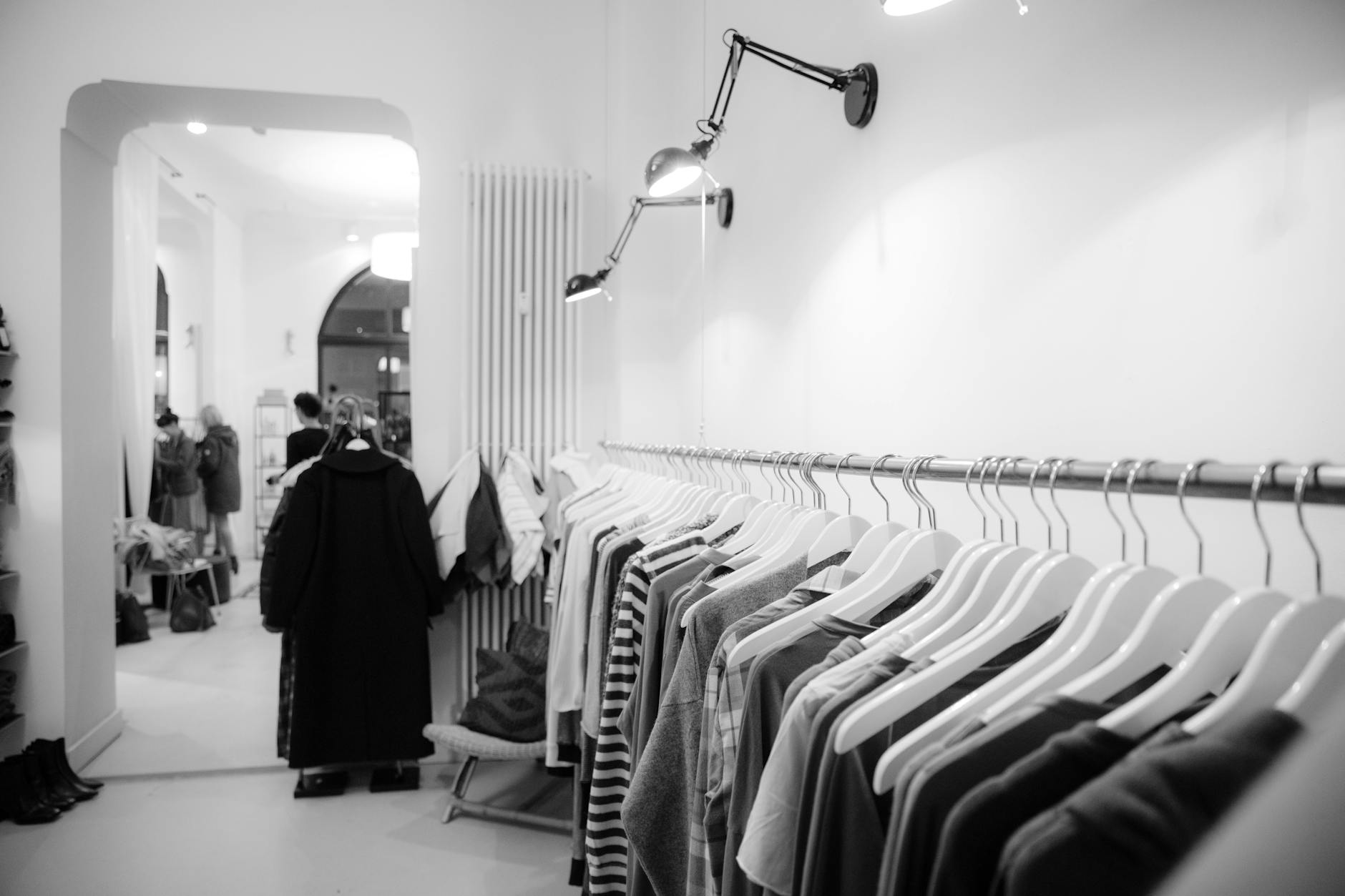
The Rise of Stealth Wealth
The quiet luxury movement gained momentum during the pandemic as consumers reassessed their relationship with conspicuous consumption. Shows like “Succession” popularized the aesthetic, with characters wearing $2000 plain white t-shirts and $5000 cashmere sweaters with zero branding. The message was clear: true wealth doesn’t need to announce itself.
Brands like The Row, Loro Piana, and Brunello Cucinelli have become the new status symbols, offering pieces that look deceptively simple but cost thousands. A Loro Piana cashmere sweater might appear basic, but its $3000 price tag reflects the finest materials and construction. These brands deliberately avoid logos, instead relying on cut, quality, and exclusivity to signal luxury.
The shift affects how luxury houses approach design. Even traditionally logo-heavy brands like Bottega Veneta have embraced the movement, removing their name from most products and focusing on their signature intrecciato weave pattern as subtle identification. Creative director Matthieu Blazy has pushed this philosophy further, creating bags and accessories where the craftsmanship itself becomes the branding.
Social media has paradoxically fueled this anti-logo trend. As fashion content creators seek authenticity and differentiation, obvious branding appears try-hard. Influencers now showcase “investment pieces” and “timeless wardrobes” featuring expensive but understated items. The hashtag #quietluxury has millions of posts featuring neutral tones, clean lines, and notably absent logos.
The Economics of Invisible Status
Quiet luxury creates a different economic model for fashion brands. Without logos to instantly communicate value, companies must justify prices through materials, construction, and exclusivity. This approach often results in higher profit margins, as consumers pay premium prices for perceived quality rather than brand recognition alone.
The trend has created opportunities for emerging designers who prioritize craftsmanship over marketing. Brands like Khaite, Toteme, and The Frankie Shop have built followings by offering sophisticated, logo-free pieces that compete with established luxury houses. Their success demonstrates that consumers increasingly value design integrity over brand heritage.
Traditional luxury conglomerates have noticed. LVMH and Kering have acquired or invested in quiet luxury brands, recognizing that the future of luxury might require less obvious branding. This shift challenges decades of brand-building strategy based on logo recognition and celebrity endorsements.
The resale market reflects this change too. Vintage pieces from brands like Jil Sander and Phoebe Philo-era Celine, known for their minimalist aesthetic, command high prices on platforms like Vestiaire Collective and The RealReal. Items without logos hold their value better, as they’re less tied to specific trends or seasons.
The Cultural Signal of Going Logo-Free
Quiet luxury sends specific cultural messages about wealth, taste, and values. It suggests confidence – that the wearer doesn’t need external validation or brand association to feel valuable. This aesthetic appeals particularly to younger wealthy consumers who prefer subtlety over ostentation.
The movement also reflects changing attitudes toward consumption and authenticity. In an era of social media scrutiny and environmental consciousness, flashy logos can appear tone-deaf. Quiet luxury allows wealthy consumers to maintain their lifestyle while appearing more thoughtful about their choices.
Geographic differences emerge in how quiet luxury manifests. European consumers have historically favored understated luxury, making this trend feel natural. American consumers, more accustomed to branded goods, are gradually embracing the aesthetic. In Asia, where logos traditionally signify status, the movement represents a significant cultural shift among younger demographics.
The trend extends beyond clothing to accessories, beauty, and lifestyle products. Jewelry brands like Sophie Bille Brahe create delicate, logo-free pieces that signal refinement. Beauty brands offer minimalist packaging and subtle branding, emphasizing ingredient quality over flashy marketing.
The Future of Logo-Less Luxury
As quiet luxury gains mainstream recognition, questions arise about its longevity and accessibility. Some critics argue that removing logos simply creates new forms of exclusion, where only insiders can recognize expensive pieces. This “if you know, you know” mentality might be just another way to maintain social hierarchies.
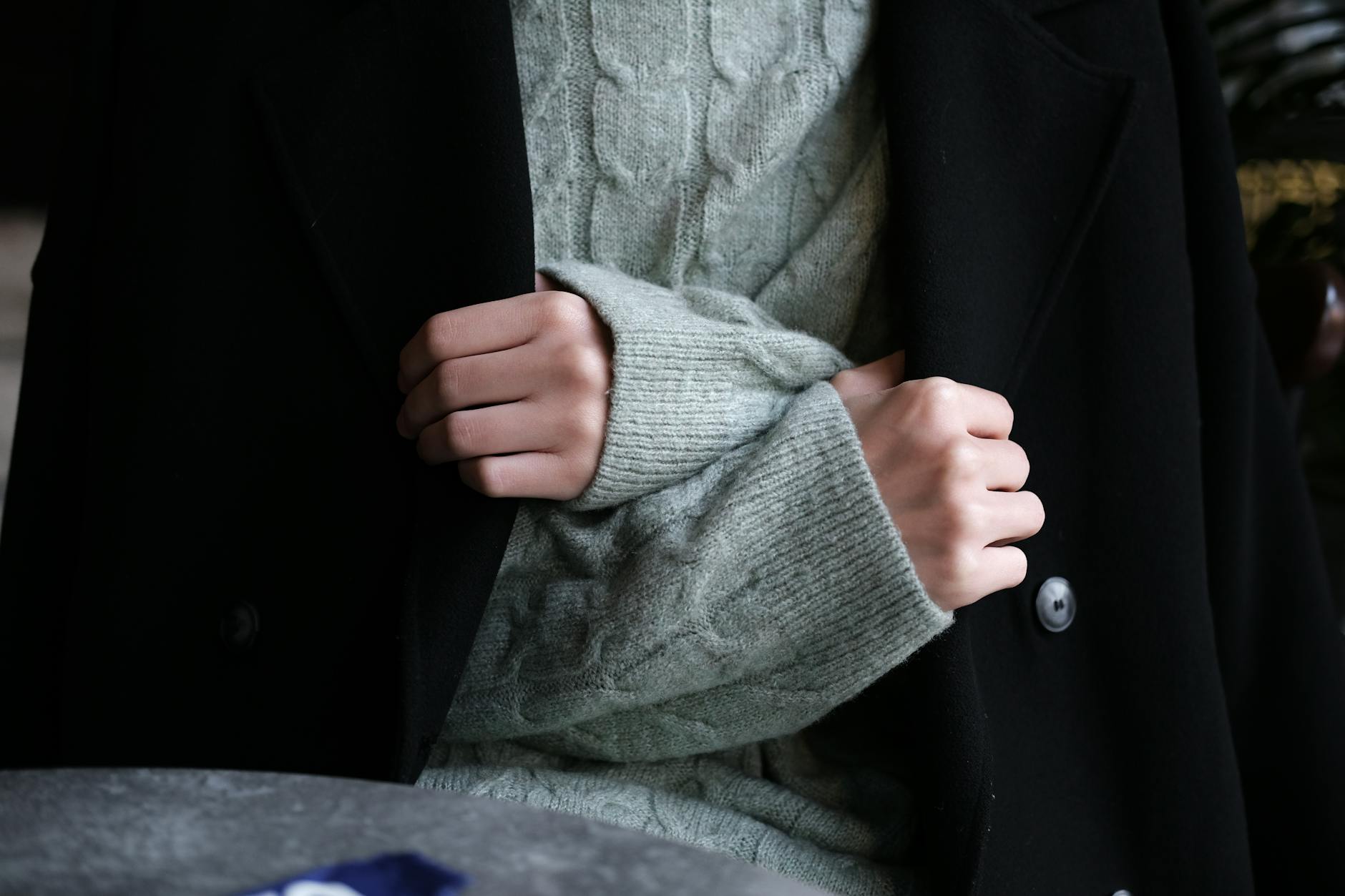
The democratization of quiet luxury through accessible brands presents both opportunities and challenges. Companies like Everlane, COS, and Arket offer minimalist designs at lower price points, making the aesthetic available to broader audiences. However, this accessibility might dilute the exclusivity that drives the trend’s appeal among luxury consumers.
Technology companies have embraced quiet luxury principles in product design, with Apple leading the way in premium materials and subtle branding. This crossover suggests that quiet luxury might influence industries beyond fashion, creating a broader cultural movement toward understated premium goods.
The movement’s future likely depends on its ability to maintain exclusivity while adapting to changing consumer values. As sustainability becomes increasingly important, quiet luxury’s emphasis on quality and longevity aligns with circular economy principles. Brands that successfully combine understated design with environmental responsibility may define the next phase of luxury consumption.
The quiet luxury trend represents more than fashion’s latest obsession with minimalism. It signals a fundamental shift in how wealth expresses itself culturally, moving from conspicuous consumption to informed restraint. As logos continue their disappearing act, the fashion industry must reimagine how to create desire and communicate value in an increasingly subtle marketplace. Whether this represents authentic change or simply another form of status competition remains to be seen, but one thing is certain: silence has become luxury’s most powerful statement.
Frequently Asked Questions
What is quiet luxury in fashion?
Quiet luxury refers to expensive clothing and accessories without obvious logos or branding, focusing on quality materials and craftsmanship instead.
Why are wealthy people avoiding designer logos?
They prefer understated elegance that signals sophistication through quality rather than flashy branding that appears try-hard or nouveau riche.