





Community colleges across the country report waiting lists for their sewing classes, with enrollment jumping 60% since 2022. What started as pandemic-era necessity has evolved into a full-blown movement where learning to stitch isn’t just about mending holes – it’s about reclaiming control over personal style while building practical skills for an uncertain economy.
The resurgence extends beyond traditional community education centers. Libraries, maker spaces, and independent studios are launching beginner-friendly programs that blend fundamental techniques with contemporary fashion sensibilities. Unlike the home economics classes of previous generations, today’s sewing instruction emphasizes creative expression alongside functionality.
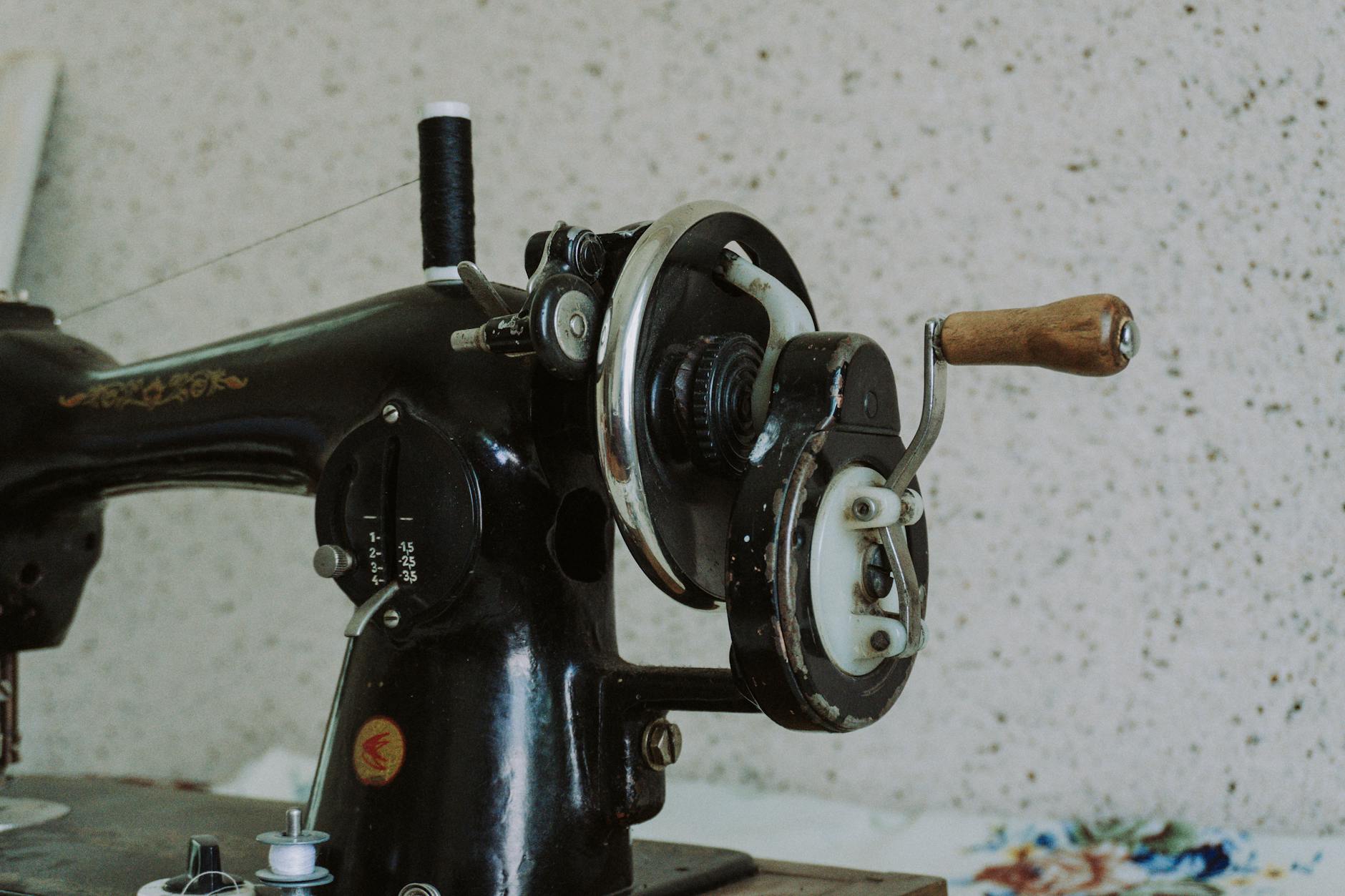
From Fast Fashion Fatigue to Slow Stitching
The sewing revival coincides with growing disillusionment toward disposable fashion culture. Young professionals who once relied on fast fashion retailers are discovering the satisfaction of creating custom-fitted garments that reflect individual style rather than mass-market trends.
“Students arrive frustrated with clothing that doesn’t fit properly or falls apart after a few washes,” explains Maria Santos, who teaches beginner sewing at three Los Angeles area studios. “They want clothes that last and fit their actual bodies, not standard sizing charts.”
This shift toward durability aligns with broader sustainability movements gaining traction across demographics. The environmental cost of textile waste has become impossible to ignore, with Americans discarding over 80 pounds of clothing annually. Learning to alter, repair, and create clothing offers a tangible alternative to the cycle of constant consumption.
Social media amplifies the appeal through platforms where sewers share transformation videos and finished projects. TikTok hashtags like #sewingjourney and #handmadewardrobe showcase everything from simple alterations to complex couture techniques, inspiring viewers to pick up needles themselves.
Economic Motivations Drive Practical Skills
Beyond environmental consciousness, economic factors push many toward sewing education. Rising clothing costs paired with stagnant wages make custom creation increasingly attractive from a purely financial perspective. A well-fitted blazer that might cost $300 retail can be sewn for under $50 in materials.
The skill also provides potential income streams. Etsy, Instagram, and local markets offer platforms for selling handmade items, alterations services, or custom work. Many sewing students transition from hobbyists to small business owners, monetizing skills initially learned for personal use.
Professional development plays a role too. Fashion industry professionals report that hands-on construction knowledge enhances their understanding of garment design, fit, and manufacturing processes. Even those working in fashion marketing or retail find that understanding how clothes are made improves their professional effectiveness.
The appeal extends to parents seeking to model self-reliance for their children. Teaching kids basic mending skills or simple construction techniques becomes an investment in their future independence, regardless of their eventual career paths.
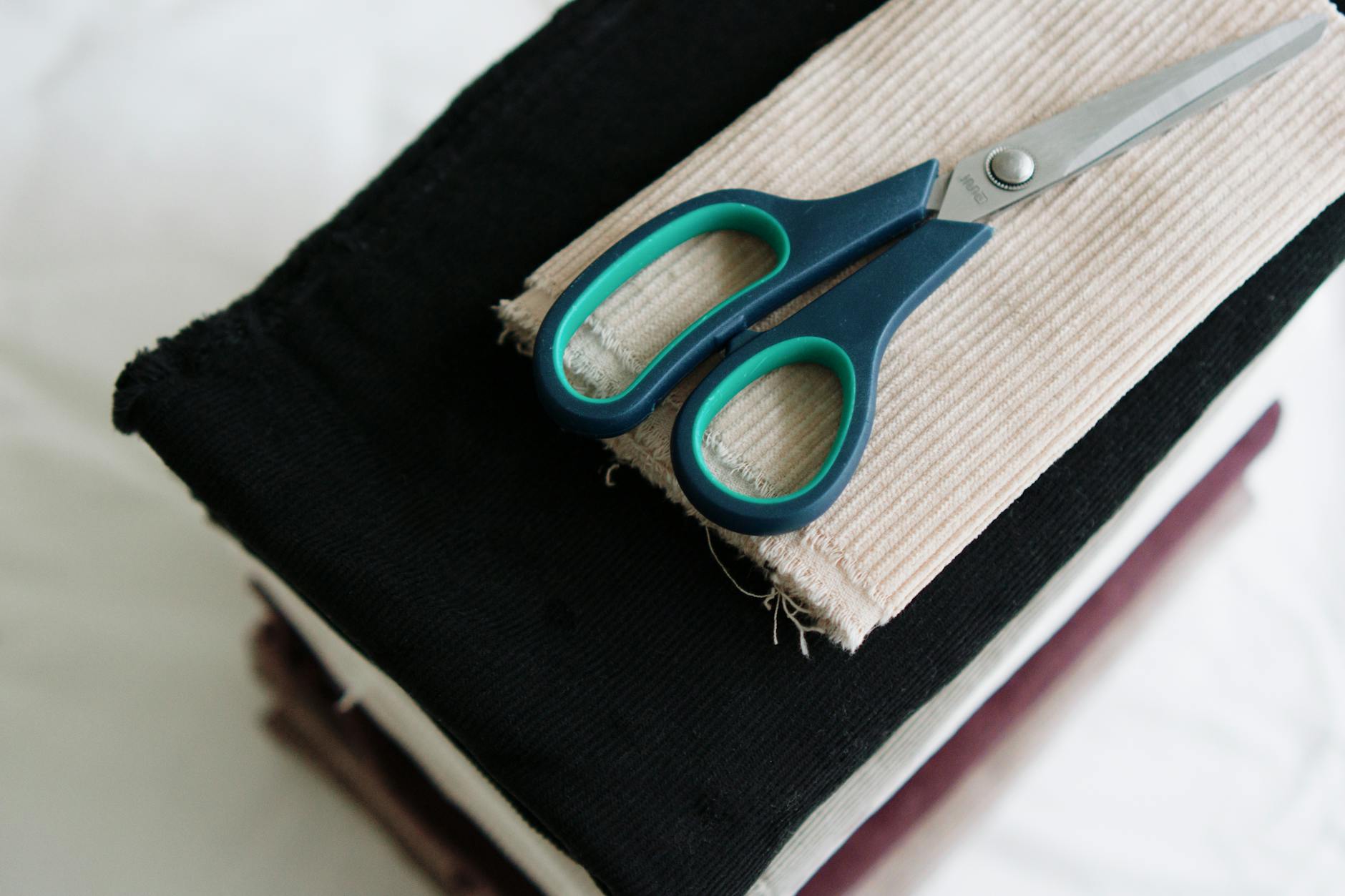
Modern Sewing Education Adapts to Contemporary Needs
Today’s sewing instruction differs dramatically from traditional approaches. Instructors blend time-tested techniques with modern tools, incorporating sergers, computerized machines, and digital pattern-making alongside hand-stitching fundamentals.
Class curricula emphasize versatile skills over rigid patterns. Students learn to deconstruct store-bought garments to understand construction methods, then apply those insights to their own creations. This reverse-engineering approach demystifies professional-quality finishing techniques.
Technology integration streamlines learning. Pattern-making apps, online fabric calculators, and video tutorials supplement in-person instruction. Some programs incorporate 3D body scanning for precise measurements, bridging traditional craftsmanship with contemporary innovation.
The social aspect proves equally important. Sewing circles and group classes create communities around shared creative goals. Students collaborate on projects, share resources, and troubleshoot challenges collectively. This peer support system helps maintain motivation through the inevitable frustrations of learning complex skills.
Many programs also emphasize wardrobe planning over random project creation. Students learn to identify gaps in their existing wardrobes, then develop skills to fill those needs strategically. This approach ensures that finished projects actually get worn rather than collecting dust.
Industry Response and Market Growth
Retailers have noticed the trend’s commercial potential. Major craft chains report increased sales in sewing supplies, with beginner-friendly product lines expanding rapidly. Fabric stores that survived the decline of home sewing in previous decades now see renewed foot traffic from younger demographics.
This mirrors broader retail strategies embracing repair culture, as major retailers are opening permanent pop-up repair shops to meet consumer demand for extending product lifecycles rather than replacing items.
Independent fabric retailers benefit particularly from the resurgence. Local shops offer curated selections and expert advice that online shopping cannot match. Many expand their offerings to include classes, creating comprehensive destinations for sewing enthusiasts.
Pattern companies adapt to contemporary preferences by offering size-inclusive ranges and modern silhouettes. Digital patterns that can be printed at home eliminate shipping delays and allow for easy size adjustments. Some companies develop modular pattern systems that teach construction principles while creating wardrobe cohesion.
The educational sector responds with expanded programming. Community colleges add evening and weekend sections to accommodate working professionals. Some institutions partner with local fashion designers or costume departments to provide real-world experience alongside technical instruction.

Looking Forward: Skills for an Uncertain Future
The sewing renaissance reflects broader cultural shifts toward self-sufficiency and mindful consumption. As supply chain disruptions and economic volatility become normalized, practical skills like garment construction and repair offer both psychological comfort and tangible benefits.
Educational institutions recognize this demand by expanding maker spaces and practical arts programming. Universities that eliminated home economics decades ago now introduce similar concepts through sustainability studies, entrepreneurship programs, and design thinking curricula.
The movement also challenges conventional notions about manual labor and creative work. Professionals from tech, finance, and other knowledge industries discover satisfaction in creating tangible objects with their hands. This cross-pollination between digital and physical skills may define future workforce development.
As the trend matures, expect more specialized offerings catering to specific interests – from historical reproduction to sustainable fashion design. The fundamental appeal of creating something beautiful and functional with one’s own hands transcends temporary trends, suggesting that sewing education will continue expanding rather than fading as novelty wears off.
The return to needles and thread represents more than nostalgia – it’s a practical response to contemporary challenges that values durability, creativity, and self-reliance over convenience and disposability.
Frequently Asked Questions
Why are sewing classes becoming popular again?
People want alternatives to fast fashion, self-sufficiency skills, and the ability to create custom-fitted, durable clothing.
What makes modern sewing classes different from traditional ones?
They emphasize creative expression, incorporate modern technology, and focus on practical wardrobe building rather than rigid patterns.