





A $3,000 wedding dress worn once and then stored in a closet forever. For generations, this scenario played out in homes across America as brides invested thousands in gowns they’d treasure but never wear again. Today’s budget-conscious brides are rewriting this script, turning to rental services that offer designer wedding dresses for a fraction of retail price. The rental wedding dress market has exploded from a niche service to a mainstream option, with companies like Rent the Runway, Nearly Newlywed, and Borrowing Magnolia reporting unprecedented demand.
The shift reflects broader changes in consumer behavior, where ownership matters less than experience. Millennials and Gen Z brides increasingly prioritize financial flexibility over traditional ownership models, especially as wedding costs continue climbing. According to industry reports, the average wedding dress rental costs between $200-$800, compared to purchasing designer gowns that typically range from $1,500-$5,000.
The Economics Behind the Trend
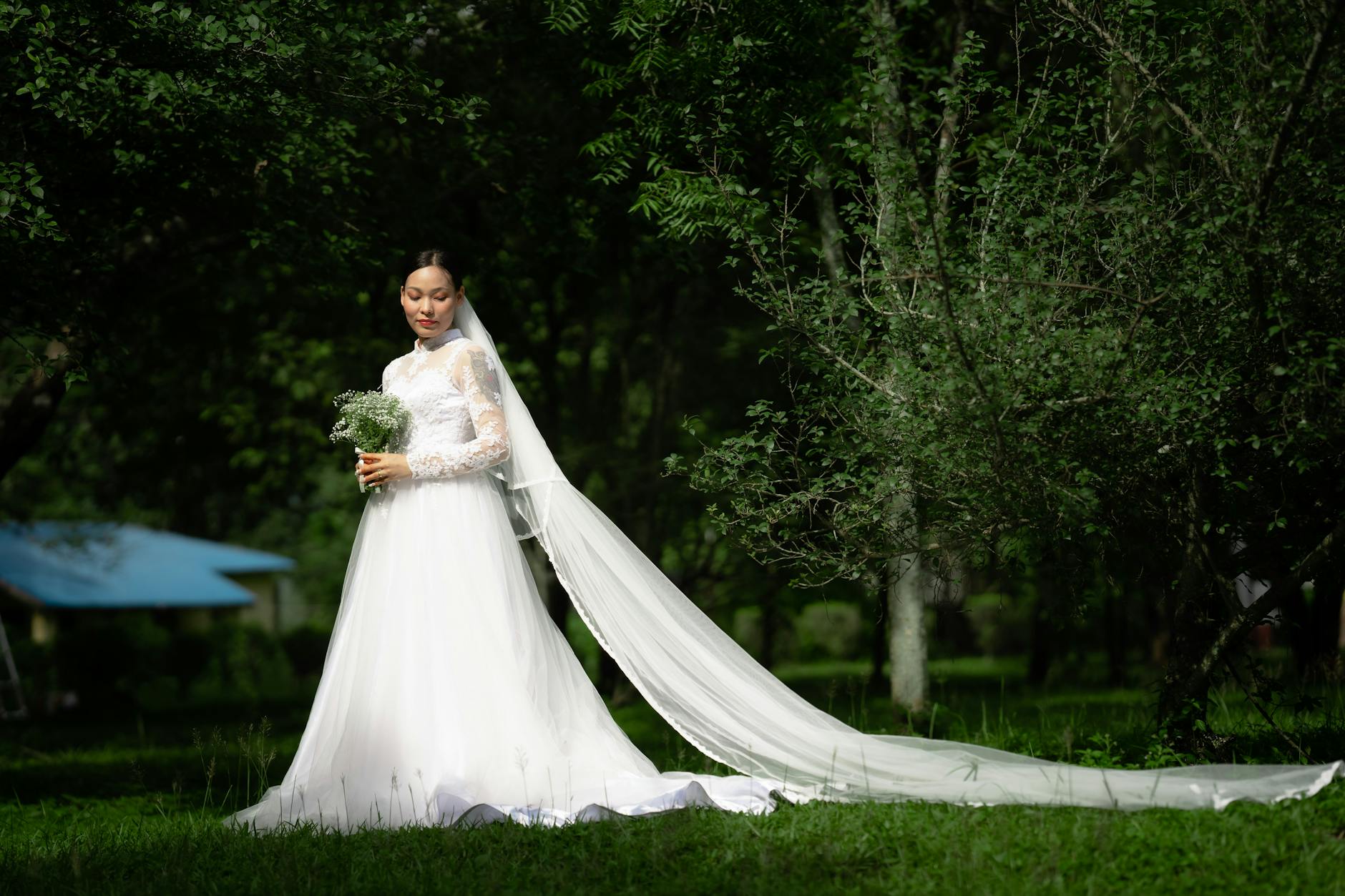
Wedding rental services capitalize on a simple truth: most wedding dresses represent terrible financial investments. A bride might spend months researching and thousands of dollars on a dress she’ll wear for eight hours, then face the dilemma of preservation or disposal. Rental companies solve this equation by allowing multiple brides to share the cost and beauty of high-end designer pieces.
The math appeals to modern couples juggling student loans, housing costs, and other financial priorities. Sarah Martinez, a marketing professional from Austin, explains her decision: “I could rent a Vera Wang dress for $450 or buy a similar style for $3,200. The rental looked identical in photos, and I used the savings for our honeymoon.” Her story echoes thousands of others as practical financial planning takes precedence over traditional wedding expectations.
Rental companies have refined their business models to address common concerns. Most offer multiple size options and backup dresses, professional cleaning between rentals, and damage protection plans. Some provide try-at-home programs where brides can sample dresses before committing to rentals. The convenience factor often surpasses traditional shopping experiences, especially for time-pressed couples.
How Rental Services Are Changing Wedding Planning
The rental dress phenomenon extends beyond individual savings to reshape wedding planning dynamics. Bridal boutiques now compete with rental platforms that offer broader designer selections without geographic limitations. A bride in rural Montana can access the same Monique Lhuillier gown available to someone in Manhattan, democratizing access to luxury wedding fashion.
Social media plays a crucial role in normalizing dress rentals. Instagram and Pinterest showcase real weddings featuring rental dresses, proving that rented gowns photograph beautifully and create memorable moments. Wedding influencers openly discuss their rental choices, removing stigma around temporary dress ownership. The transparency helps other brides feel confident about choosing rentals over purchases.
Technology streamlines the rental process through virtual fittings, augmented reality try-ons, and detailed size guides. Companies invest heavily in logistics to ensure timely delivery and pickup, often providing multiple shipping options and local partnerships. Some rental services collaborate with wedding planners and venues to create comprehensive packages that include dress rentals alongside other wedding elements.
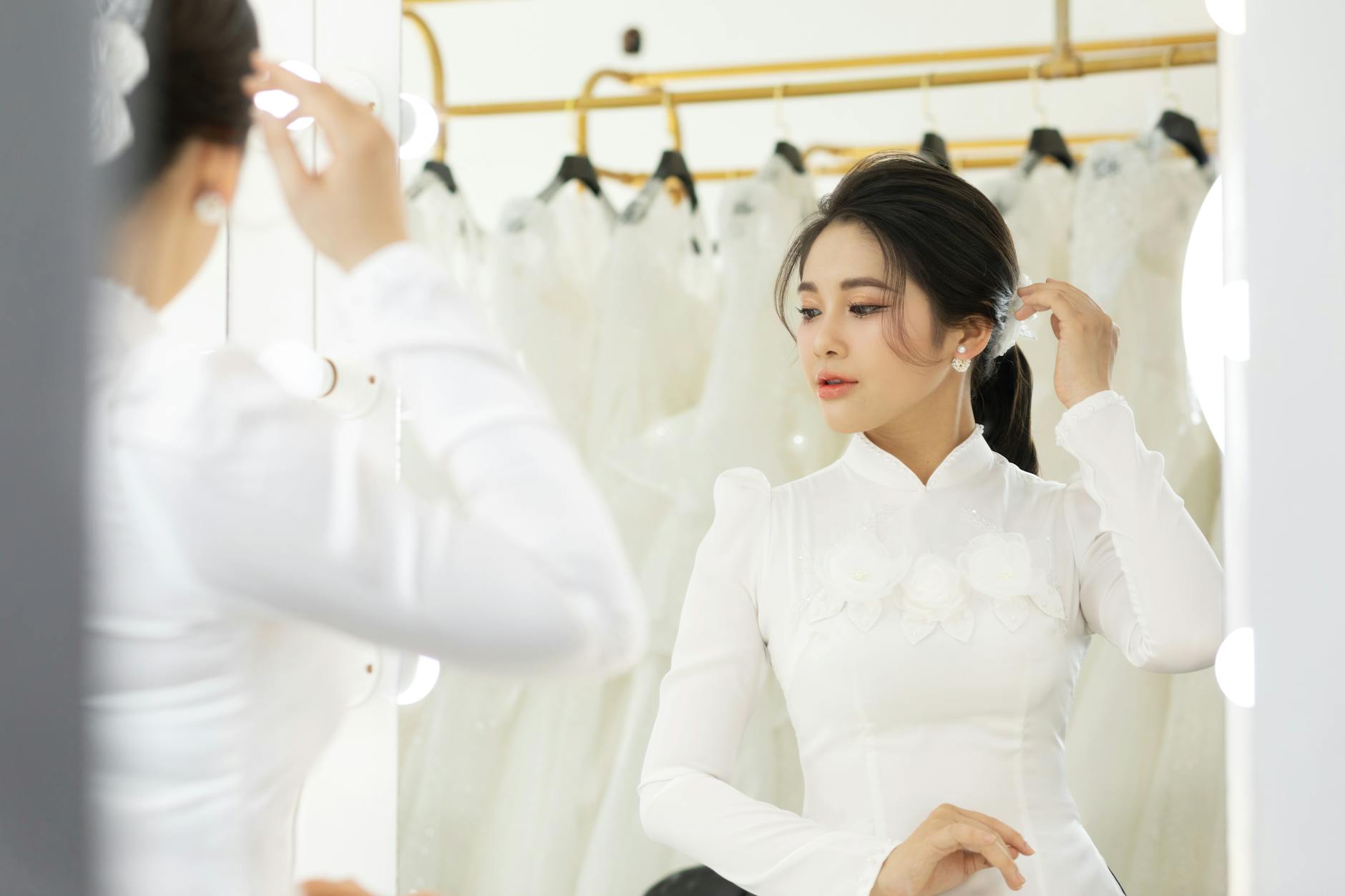
The rental model also influences dress design and production. Designers create pieces specifically for rental markets, considering durability and universal appeal alongside aesthetic beauty. Rental-focused designs often feature classic silhouettes and quality construction that withstand multiple wears while photographing well across different body types and wedding styles.
Quality Concerns and Industry Response
Early skepticism about rental dress quality has largely disappeared as companies professionalize their operations. Professional cleaning, careful storage, and quality control measures ensure rental dresses arrive in pristine condition. Many rental companies employ seamstresses for minor alterations and repairs, maintaining dress quality across multiple rentals.
The industry addresses hygiene concerns through rigorous cleaning protocols, often exceeding standards used by traditional dry cleaners. Companies typically clean dresses after every rental using specialized techniques appropriate for delicate fabrics and embellishments. Some services provide detailed cleaning histories and quality assurance guarantees to reassure customers.
Rental platforms now offer premium services including professional pressing, steaming, and packaging that rivals luxury retail experiences. White-glove delivery services ensure dresses arrive wedding-ready, while pickup services eliminate post-wedding logistics for exhausted couples. These premium touches justify rental prices and compete effectively with traditional retail experiences.
The sustainability angle resonates with environmentally conscious couples. Wedding dress rentals reduce textile waste and resource consumption compared to single-use purchases. This environmental benefit aligns with broader sustainable fashion trends, as evidenced by the success of [luxury brands partnering with vintage shops for authenticated resale](https://culturentech.com/how-luxury-brands-are-partnering-with-vintage-shops-for-authenticated-resale/) and the rise of [thrift flipping as full-time careers](https://culturentech.com/why-thrift-flipping-has-become-a-full-time-career-for-fashion-influencers/).
The Future of Wedding Fashion
Rental services continue expanding beyond dresses to include bridesmaid gowns, accessories, and even groom attire. Some companies offer complete wedding party rental packages, simplifying coordination while reducing costs for entire wedding parties. This expansion suggests rentals will become standard rather than alternative options for wedding fashion.
Technology will further transform rental experiences through virtual reality try-ons, AI-powered size matching, and predictive styling recommendations. Blockchain technology might enable dress authenticity verification and rental history tracking, while sustainable fabric innovations could extend dress lifespans across more rental cycles.
The rental wedding dress trend represents more than cost savings – it reflects generational shifts toward experience-based spending, sustainability consciousness, and practical financial planning. As rental services continue improving quality, selection, and convenience, they’re positioning themselves as the smart choice for modern couples who prioritize memories over material possessions. The question isn’t whether rental wedding dresses will become mainstream, but how quickly traditional retail will adapt to this new reality.
Frequently Asked Questions
How much does it cost to rent a wedding dress?
Wedding dress rentals typically cost $200-$800, compared to purchasing designer gowns that range from $1,500-$5,000.
Are rental wedding dresses clean and high quality?
Rental companies use professional cleaning protocols after every rental and employ quality control measures to ensure dresses arrive in pristine condition.