





The footwear industry generates 1.4 billion pairs of shoes annually, with most ending up in landfills within a year. But a quiet revolution is reshaping how we think about sneakers, led by unlikely partnerships between startups and athletic giants that prioritize planet over profit margins.
Allbirds, the San Francisco-based company that made wool sneakers mainstream, has spent the past year forging strategic alliances with major players like Adidas. Their collaboration isn’t just about creating another eco-friendly shoe – it’s about fundamentally changing how the $365 billion global footwear industry approaches sustainability from materials to manufacturing.
The partnership represents a shift from competition to collaboration in addressing fashion’s environmental impact. While luxury brands explore genderless fashion lines and sustainable practices, the sneaker world is tackling its carbon footprint through shared innovation rather than proprietary secrets.
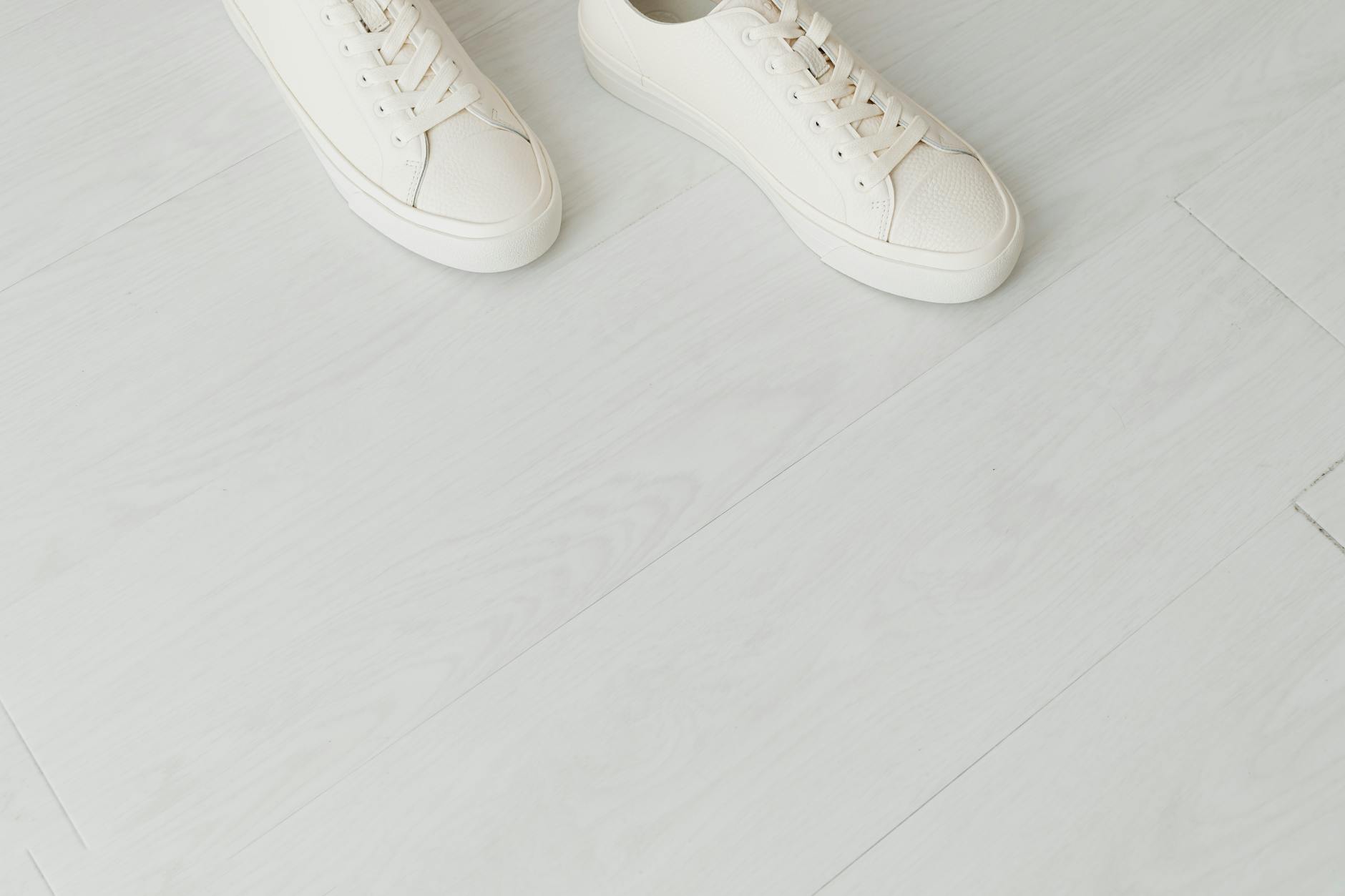
Material Innovation Beyond Marketing Buzzwords
The Allbirds-Adidas partnership produced the FUTURECRAFT.FOOTPRINT sneaker, which achieved a 2.94 kg CO2e carbon footprint – nearly 75% lower than a typical running shoe. The breakthrough came from combining Allbirds’ expertise in natural materials with Adidas’ manufacturing scale and distribution network.
Traditional sneakers rely heavily on petroleum-based synthetics and energy-intensive production processes. The collaborative approach introduces merino wool midsoles, sugarcane-based foam, and castor bean oil components that maintain performance standards while dramatically reducing environmental impact.
Beyond this flagship collaboration, both companies are sharing research and development insights across their broader product lines. Allbirds’ Tree Dasher 2 incorporates eucalyptus tree fiber, while Adidas has expanded its Primegreen collection using high-performance recycled materials across multiple sport categories.
The technical challenges are substantial. Creating durable, performance-oriented footwear from renewable materials requires extensive testing and reformulation. Early sustainable sneakers often sacrificed comfort or longevity, but current iterations match traditional materials in key performance metrics while offering superior moisture-wicking and odor resistance properties.
Supply Chain Transformation and Transparency
The partnership model extends beyond product development into supply chain transparency and carbon accounting. Both companies now publish detailed carbon footprint calculations for individual products, breaking down emissions from materials, manufacturing, transportation, and end-of-life disposal.
This transparency initiative has influenced other major brands. Nike introduced its Move to Zero campaign with specific carbon reduction targets, while New Balance launched its Green Leaf Standard for sustainable products. The competitive pressure has accelerated industry-wide adoption of more rigorous environmental reporting standards.
Manufacturing partnerships have also evolved. Traditional sneaker production relies on Asian factories with complex subcontractor networks that obscure environmental practices. The Allbirds model emphasizes direct relationships with suppliers who meet strict sustainability criteria, including renewable energy use and waste reduction targets.
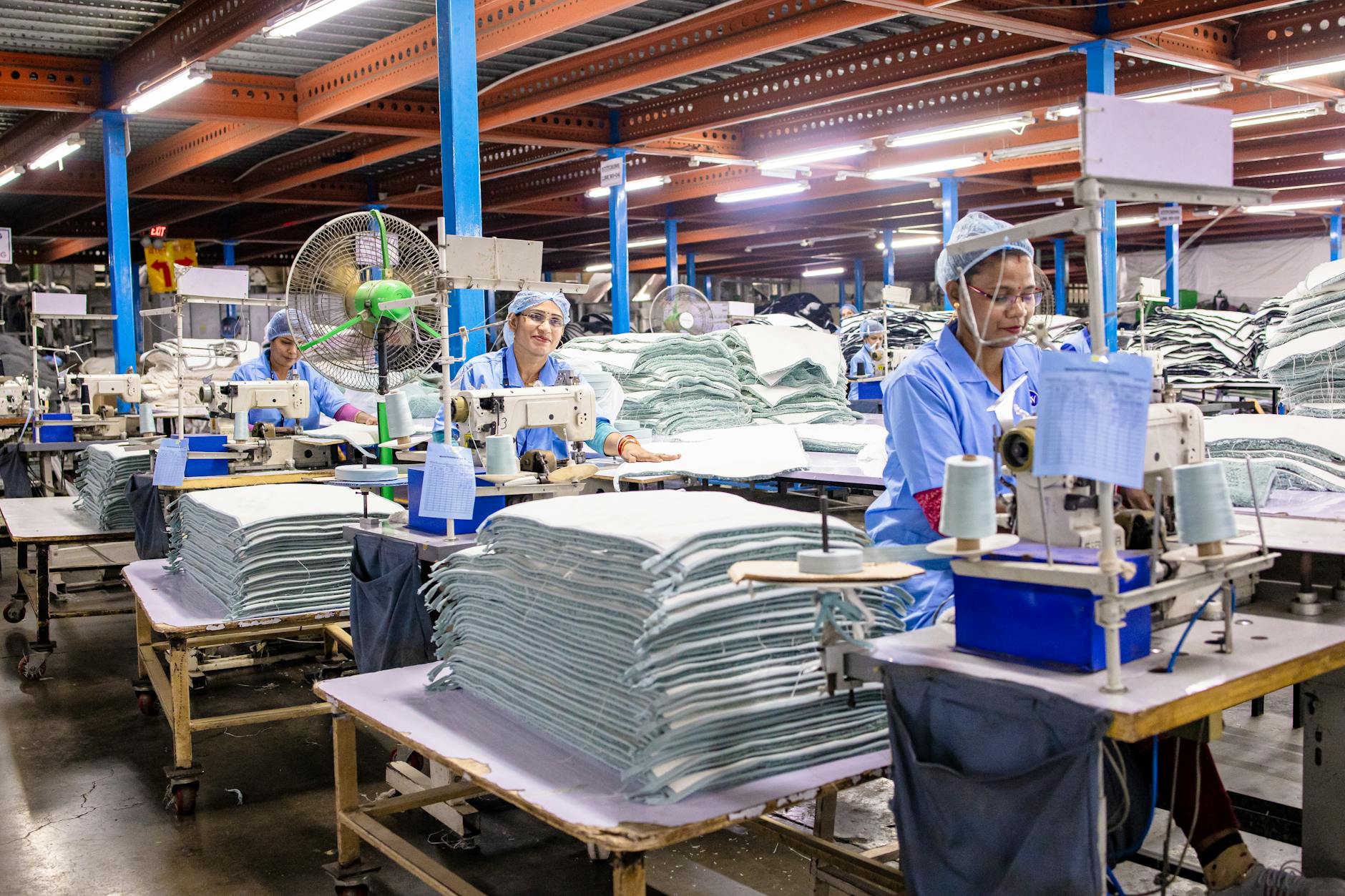
The supply chain innovations include novel approaches to traditional pain points. Shoe boxes now use recycled cardboard with soy-based inks, while shipping methods prioritize consolidated deliveries and carbon-neutral logistics partners. Some products ship in compostable mailers rather than traditional packaging.
Consumer Behavior and Premium Positioning
Sustainable sneakers initially faced skepticism about durability and style versatility. However, consumer acceptance has grown significantly, particularly among younger demographics who prioritize environmental responsibility alongside fashion preferences.
The pricing strategy reflects this market positioning. Allbirds sneakers typically retail between $95-135, positioning them as premium casual footwear rather than athletic performance shoes. The Adidas collaboration pieces command similar price points, suggesting sustainable materials and processes add perceived value rather than compromise.
Celebrity endorsements have helped normalize sustainable sneakers in fashion contexts. Notable figures including Leonardo DiCaprio, Emma Watson, and various professional athletes have publicly worn and promoted these products, lending credibility to both performance and style claims.
The success has influenced broader fashion trends, with sustainable materials appearing across categories from activewear to accessories. The minimalist aesthetic common to many sustainable sneakers aligns with current preferences for clean, versatile designs.
Industry Impact and Future Partnerships
The Allbirds-Adidas collaboration has inspired similar partnerships across the industry. Reebok has partnered with various sustainable material suppliers, while Puma launched its RE:SUEDE experiment exploring circular design principles. These initiatives suggest collaboration rather than competition may define the next phase of sustainable fashion innovation.
Manufacturing scalability remains a challenge. While prototype sustainable sneakers achieve impressive environmental metrics, scaling production to millions of units while maintaining sustainability standards requires significant infrastructure investment and supply chain coordination.

The partnership model also addresses intellectual property concerns that traditionally prevent collaboration between competitors. By focusing on shared environmental goals rather than proprietary advantages, companies can pool resources and expertise more effectively than individual sustainability initiatives.
Looking ahead, the next phase likely involves circular design principles where sneakers are designed for disassembly and material recovery. Both Allbirds and Adidas are exploring take-back programs where consumers return worn shoes for recycling into new products, creating closed-loop systems that eliminate waste entirely.
The sustainable sneaker revolution demonstrates how strategic partnerships can accelerate industry transformation more effectively than isolated corporate initiatives. As environmental concerns become central to consumer purchasing decisions, the collaboration model pioneered by Allbirds and Adidas may become the standard approach for addressing sustainability challenges across all fashion categories.
Frequently Asked Questions
What makes sustainable sneakers different from regular shoes?
Sustainable sneakers use renewable materials like merino wool and sugarcane-based foam while dramatically reducing carbon emissions during manufacturing.
Are sustainable sneakers as durable as traditional athletic shoes?
Current sustainable sneakers match traditional materials in performance metrics while offering superior moisture-wicking and odor resistance properties.