



A Body Detail With Cultural Weight
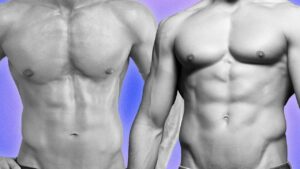
The V-cut – that sharp diagonal line running from the hip bones toward the lower abdomen – has appeared on Brad Pitt, D’Angelo, and Greek statues carved centuries before either of them existed. It is not a trend. It is an aspiration with a very long history, and getting there requires honesty about exercise, diet, and what your body is actually capable of delivering.
What the V-Line Actually Is
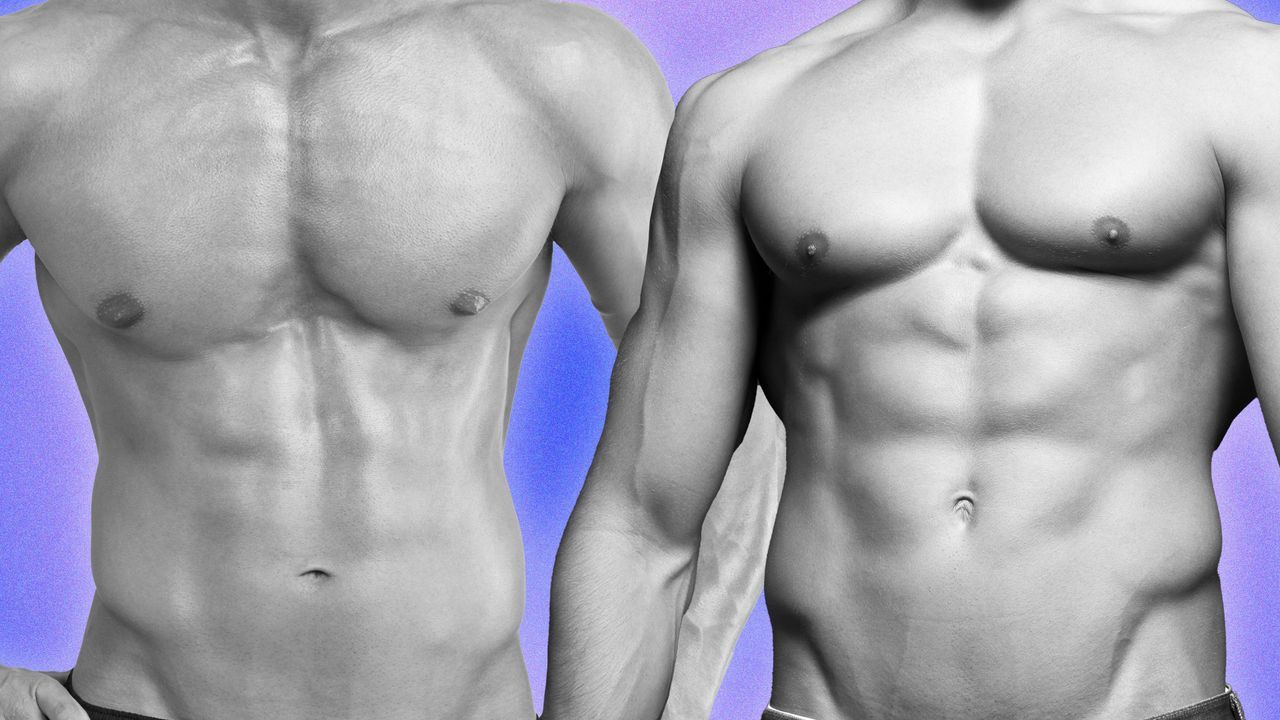
The V-cut is formed by the inguinal ligament, a band of tissue that runs diagonally from the anterior superior iliac spine – the bony point at the front of your hip – down toward the pubic region. When body fat in the surrounding area drops low enough, and the muscles framing that ligament develop sufficient definition, the line becomes visible. It is anatomical, not purely aesthetic. You are not creating something new; you are uncovering something that was already there.
That distinction matters because it changes how you approach the goal. Many people train the wrong muscles or train them in isolation, expecting the V-line to emerge from endless crunches. It does not work that way. The muscles most directly involved are the lower abs and the obliques – specifically the transverse abdominis and the internal and external obliques – which run along the sides and lower portion of the torso, framing that diagonal crease when developed and lean enough to show.
The visual effect also depends heavily on hip-to-waist structure. Individuals with naturally wider hips relative to their waist tend to develop a more pronounced V-shape with less effort because the geometry already exists beneath the surface. For others, the same cut requires leaner body composition and more deliberate muscle development before it registers visually. Neither path is wrong – they are just different starting points that demand different timelines.
Brad Pitt’s version of this look – documented widely from his Fight Club era – became a kind of cultural benchmark for lean male physique. D’Angelo’s 2000 “Untitled (How Does It Feel)” video set a different version of the same standard, one rooted more in natural muscularity than extreme leanness. Both are real, both took real work, and both required conditions most people will not replicate exactly. That is the honest framing before any workout or diet advice means anything.
The Training and Diet Reality
Getting the V-cut requires two things happening simultaneously: building the muscles that frame it and reducing body fat enough for those muscles to become visible. Neither alone is sufficient. Someone with highly developed obliques and lower abs but 20 percent body fat will not see the line clearly. Someone who is extremely lean but has not trained those specific muscles will see the anatomical crease but not the sharp definition that makes the look distinctive.
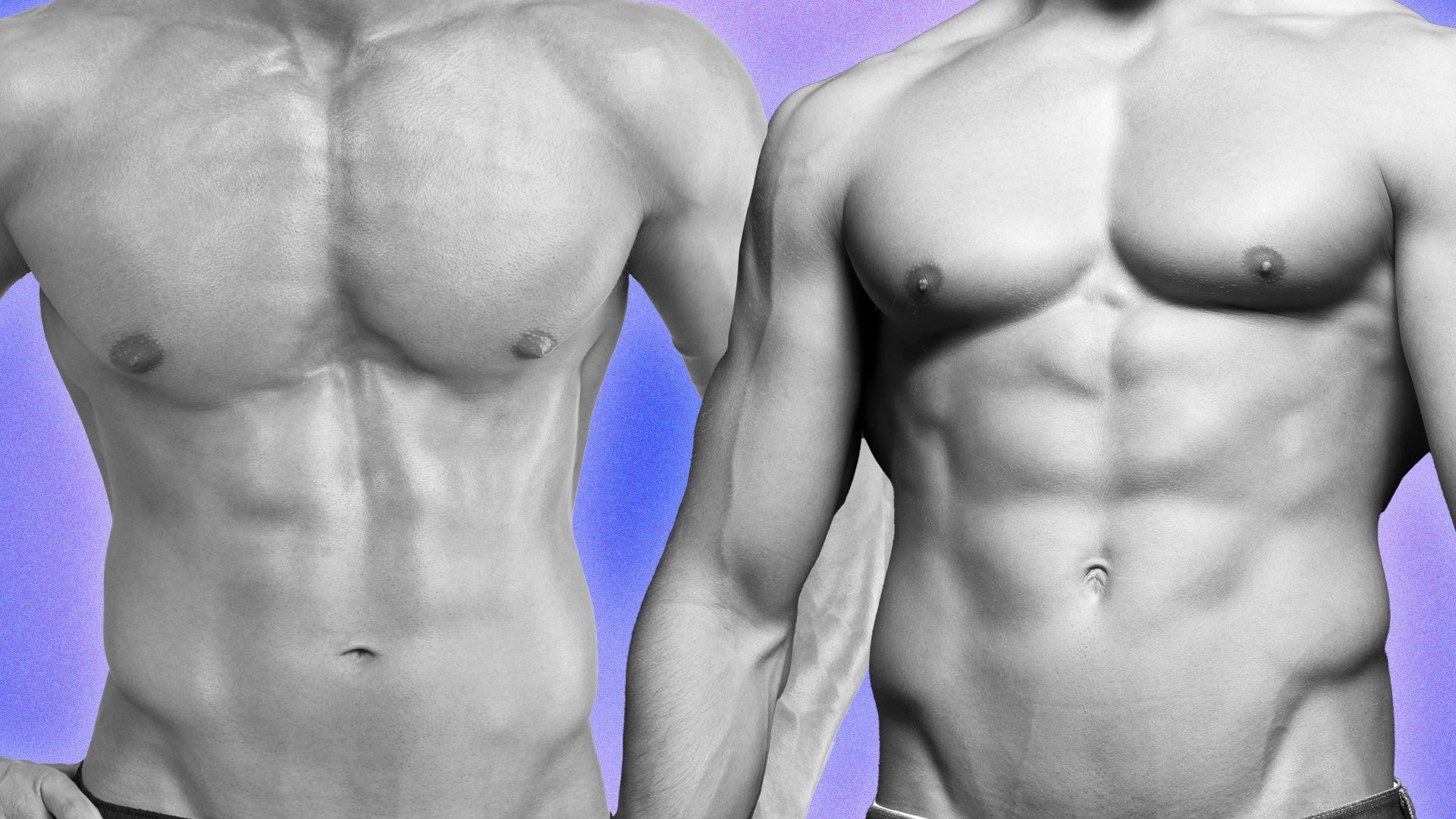
On the training side, exercises that target the lower abs and obliques most directly include hanging leg raises, cable woodchops, reverse crunches, and lateral flexion movements. These are not glamorous or complicated, but they place load on the precise muscle groups that define the V-line area. Compound movements – deadlifts, squats, overhead presses – contribute by developing overall core stability and raising the body’s baseline muscle mass, which in turn supports a leaner composition over time. The combination of targeted isolation work and compound training produces better results than either approach on its own.
Diet does more visible work than most people expect or want to hear. Body fat percentage is the controlling variable for whether the V-line shows at all. For most men, the line becomes visible somewhere in the range of 10 to 12 percent body fat, though individual variation means some see it earlier and others need to go lower. Reaching and sustaining that range requires a caloric approach that prioritizes protein – to preserve muscle mass during a cut – and manages overall intake with enough consistency to produce gradual fat loss without sacrificing the muscle tissue that gives the line its shape.
Protein targets commonly cited for body recomposition sit around 0.7 to 1 gram per pound of bodyweight daily. Sleep and stress management are not optional add-ons – cortisol, the stress hormone, actively promotes fat storage in the abdominal region, which is precisely the area that needs to lean out for this particular look to emerge. Someone training hard but sleeping five hours a night and running on chronic stress is working against their own goal in a measurable physiological way, not just a motivational one.
The timeline is longer than most fitness content suggests. For someone starting from an average body composition – around 18 to 20 percent body fat – reaching the range where a V-line becomes clearly visible could take six months to over a year of consistent training and dietary discipline. Faster cuts through aggressive caloric restriction tend to sacrifice muscle along with fat, which defeats the structural purpose. The slower approach, frustrating as it is, preserves the muscle definition that makes the difference between a faint crease and a sharp line.
Genetics set a ceiling that training cannot raise. Skin thickness, fat distribution patterns, and the exact shape of the inguinal ligament all vary by individual. Some people will develop a prominent V-cut with moderate effort. Others will hit the same body fat percentage and see a subtler version of the same feature. The Greek statues that established this aesthetic ideal were, after all, carved by sculptors who could adjust the anatomy however they liked – the human body does not come with the same editorial freedom.

Managing What You’re Actually Chasing
There is a difference between training toward a V-line as a byproduct of being genuinely fit – lean, strong, consistent – and treating it as the primary goal with everything else subordinated to it. The first approach tends to produce it, eventually, as a side effect of the habits required. The second tends to produce frustration when the result does not arrive on schedule, followed by abandonment of the habits that were actually working.
Brad Pitt and D’Angelo both had professional preparation, controlled conditions, and – in at least one of those cases – a camera crew and lighting team present when the result was documented for public consumption. What does it mean to chase an image that was itself curated for maximum visual impact at a precise moment in time?