





A Catastrophe That Wasn’t
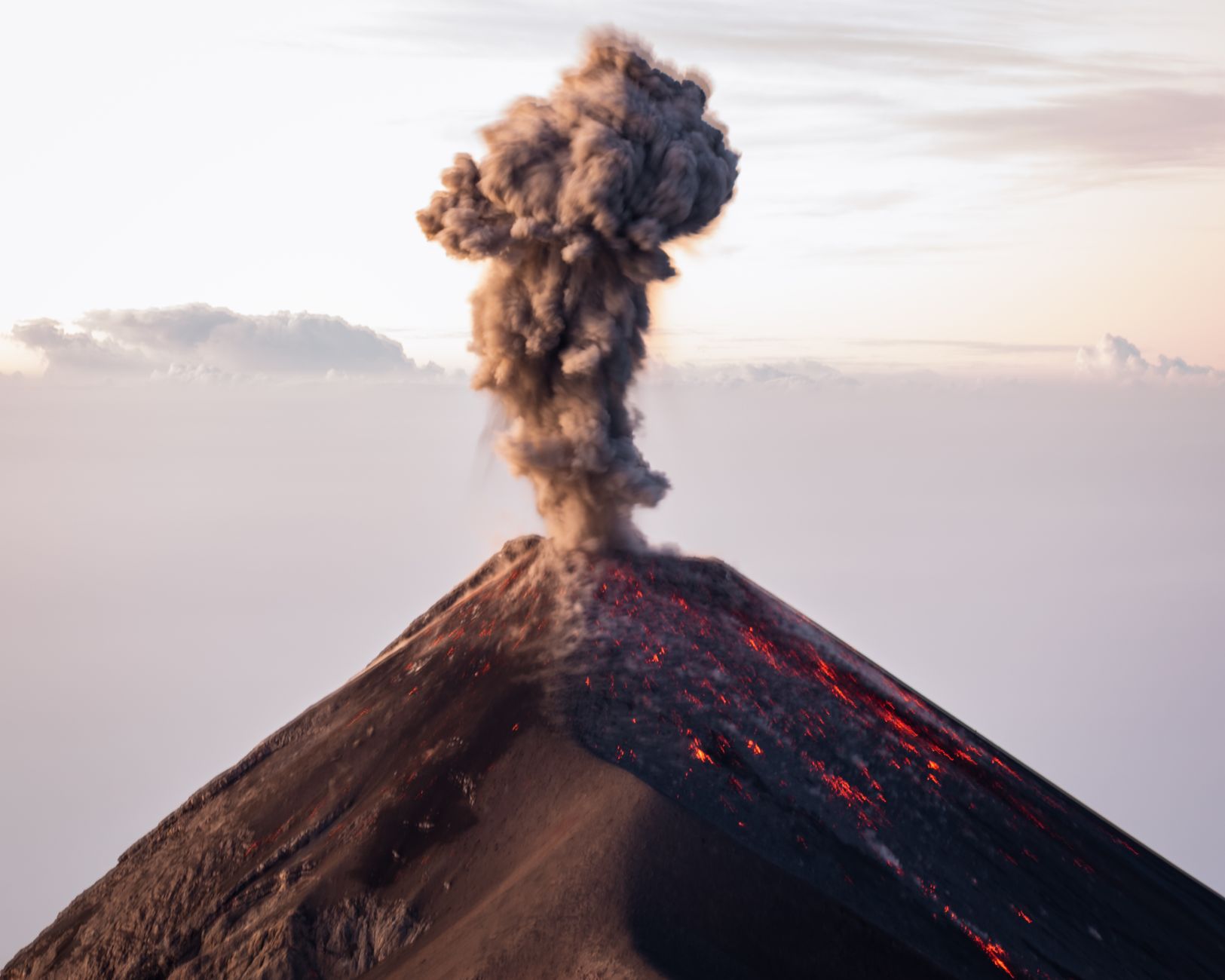
Around 74,000 years ago, a caldera on what is now Sumatra erupted with enough force to empty thousands of cubic kilometers of magma in roughly two weeks – about a thousand times the volume that Mount Pinatubo expelled in 1991. Mount Toba holds the record as the largest volcanic eruption in the past 2.6 million years, and for decades scientists treated it as a near-extinction event for early humans. The theory had weight: a blast that size, the thinking went, should have plunged the planet into a volcanic winter severe enough to collapse whatever fragile populations of Homo sapiens existed at the time.
New research is dismantling that idea, not with speculation, but with sediment pulled from the bottom of a crater lake on the Kenya-Tanzania border. What researchers found there rewrites the assumed scale of Toba’s aftermath – and raises uncomfortable questions about how reliably scientists can read past disasters from physical records.
Reading Time in Mud
Jinheum Park, a geoscientist at Johannes Gutenberg University in Mainz, Germany, led the team that went looking in that lakeside mud for signs of Toba’s supposed climate catastrophe. “People thought it might have caused massive cooling of the planet, and hence threatened the survival of our ancestors,” Park says. What his team found instead was a climate signal that was measurable but modest: the effects of the eruption lasted under two years and produced roughly half a degree of cooling. For context, that is the kind of temperature dip that gets rounded away in century-scale climate data.
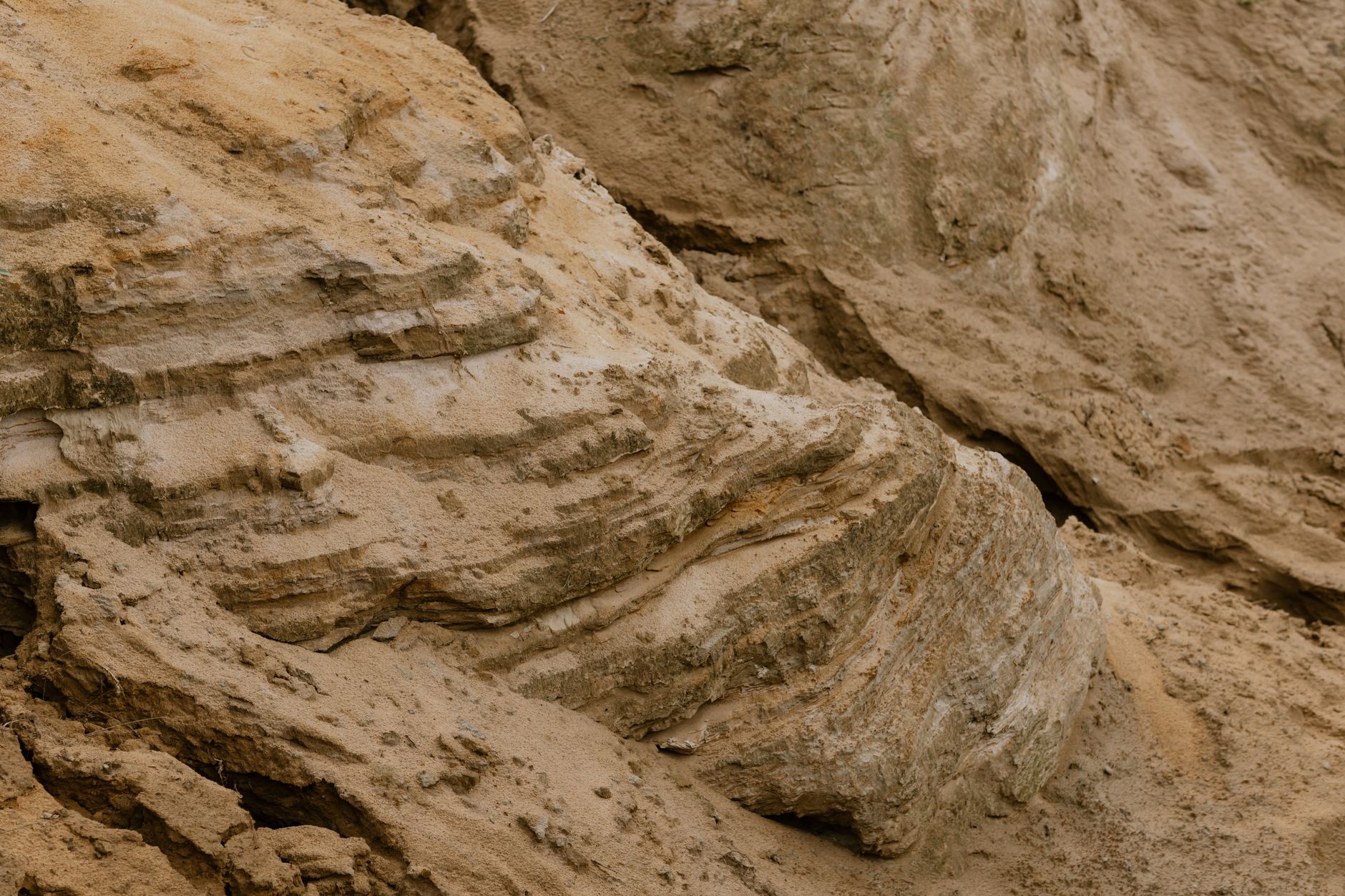
The lake sediment functions like a natural archive. Each layer records atmospheric and biological conditions at the time it was deposited, and volcanic events leave chemical signatures – particularly sulfur compounds – that allow researchers to date and measure eruption impacts with reasonable precision. It is slow, painstaking science, closer to forensic geology than anything happening in a modern lab, but it produces some of the most direct evidence available about what Earth’s climate actually did during events that predate written history by tens of thousands of years.
The key to understanding why Toba did not cause the expected damage lies in the physics of sulfur dioxide at extreme scale. When a volcano erupts, it injects sulfur dioxide into the stratosphere, where the gas converts into a fine haze of droplets that scatter incoming solar radiation back into space. More sulfur dioxide should mean more scattering, more scattering should mean more cooling – and for eruptions up to a certain size, that relationship holds.
But Toba was not a normal eruption. At the magnitude Toba reached, the aerosol particles produced become large enough that gravity starts winning. “Bigger sulfate aerosols settle quickly, because they are heavier,” Park explains. Those heavier droplets fall out of the stratosphere faster, reducing their time aloft and cutting into their effectiveness as a sunlight barrier. The eruption was so enormous that it essentially overwhelmed its own cooling mechanism. The system that should have made Toba devastating instead limited how devastating it could be.
That is a counterintuitive finding with implications that extend well beyond one prehistoric volcano. If the largest eruptions are partially self-limiting in their climate impact, then models built on the assumption that bigger always means worse need recalibration. It also changes how scientists should interpret the human population data from the same period. The “genetic bottleneck” hypothesis – the idea that human genetic diversity narrowed sharply around 74,000 years ago because of Toba – has been debated for years. This research does not settle that debate, but it removes one of the more dramatic supporting arguments.
What the sediment record shows, ultimately, is that the crater lake on the Kenya-Tanzania border was not experiencing a climate emergency when Toba erupted. Biological activity in the lake continued in patterns that suggest a brief disruption rather than a prolonged collapse. A half-degree of cooling over less than two years is the kind of thing ecosystems absorb. It is not the kind of thing that kills a species.
Why the Catastrophe Myth Persisted
Part of the answer is narrative gravity. A thousand-times-Pinatubo eruption is a number that demands a proportional story. The Toba catastrophe theory – formally proposed in the 1990s – arrived at a moment when genetic analysis was first revealing how genetically similar all living humans are, suggesting a population bottleneck in our recent past. Toba was sitting right there in the timeline, enormous and obvious, and the two data points collapsed into each other. The theory spread across popular science writing and held on even as contradicting evidence accumulated from archaeological sites in South Africa and India showing human activity continued through and after the eruption period.
Park’s lake sediment data joins that growing body of contradicting evidence. It does not prove Toba had zero regional impact – local conditions near Sumatra may have been severe – but it pushes back hard against the global extinction-level framing that dominated coverage of the volcano for three decades.
The Measurement Problem
There is a device-level parallel worth drawing here, even if it sits outside strict geology. The instruments scientists use to reconstruct past climate – ice cores, lake sediments, tree rings – each have resolution limits. A signal lasting under two years in a 74,000-year-old sediment column is genuinely difficult to isolate cleanly. The fact that earlier studies using different proxies reached dramatically different conclusions about Toba’s impact is partly a measurement problem, not just an interpretive one. Better tools and better sample sites produce better answers, but “better” is always relative to what comes next.
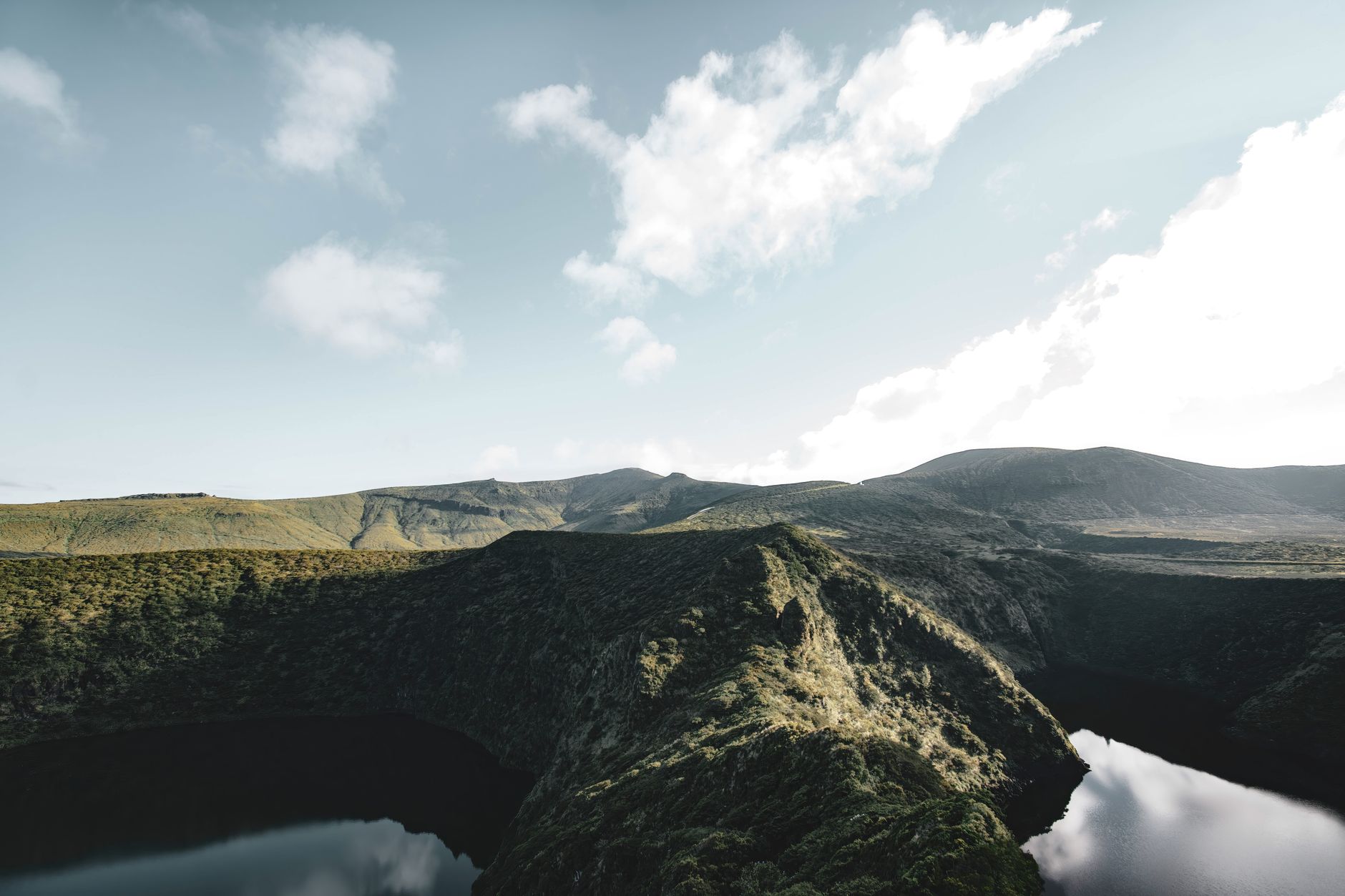
Park’s team chose their crater lake deliberately. Its small size and specific location made it sensitive to regional atmospheric changes while also preserving a clear stratigraphic record – the layers stayed readable over tens of thousands of years without the kind of mixing that degrades larger lake sediments. That site selection is doing real scientific work. The quality of a geological instrument is determined by where it sits as much as what it is made of.
What remains open is whether other regions show the same subdued signal. Studies pulling data from ice cores in Greenland and Antarctica have produced varying estimates of Toba’s sulfur output, and reconciling those numbers with what the Kenya-Tanzania crater lake shows is still ongoing work. A half-degree of global cooling averaged across the planet could hide sharper regional impacts – a question that future sediment cores from other sites will need to answer. Whether those answers confirm Park’s findings or complicate them, the version of Toba that nearly ended humanity is looking less plausible with every core that comes up from the mud.