



Denis Villeneuve has a way of making even a joke sound like a prophecy. At a recent GQ evening in Los Angeles, the director spent his time on two franchises at opposite ends of the cinematic spectrum: one he is finishing, one he is about to inherit. His verdict on the second came in plain language: “We cannot f*ck it up.”
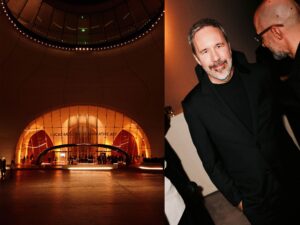
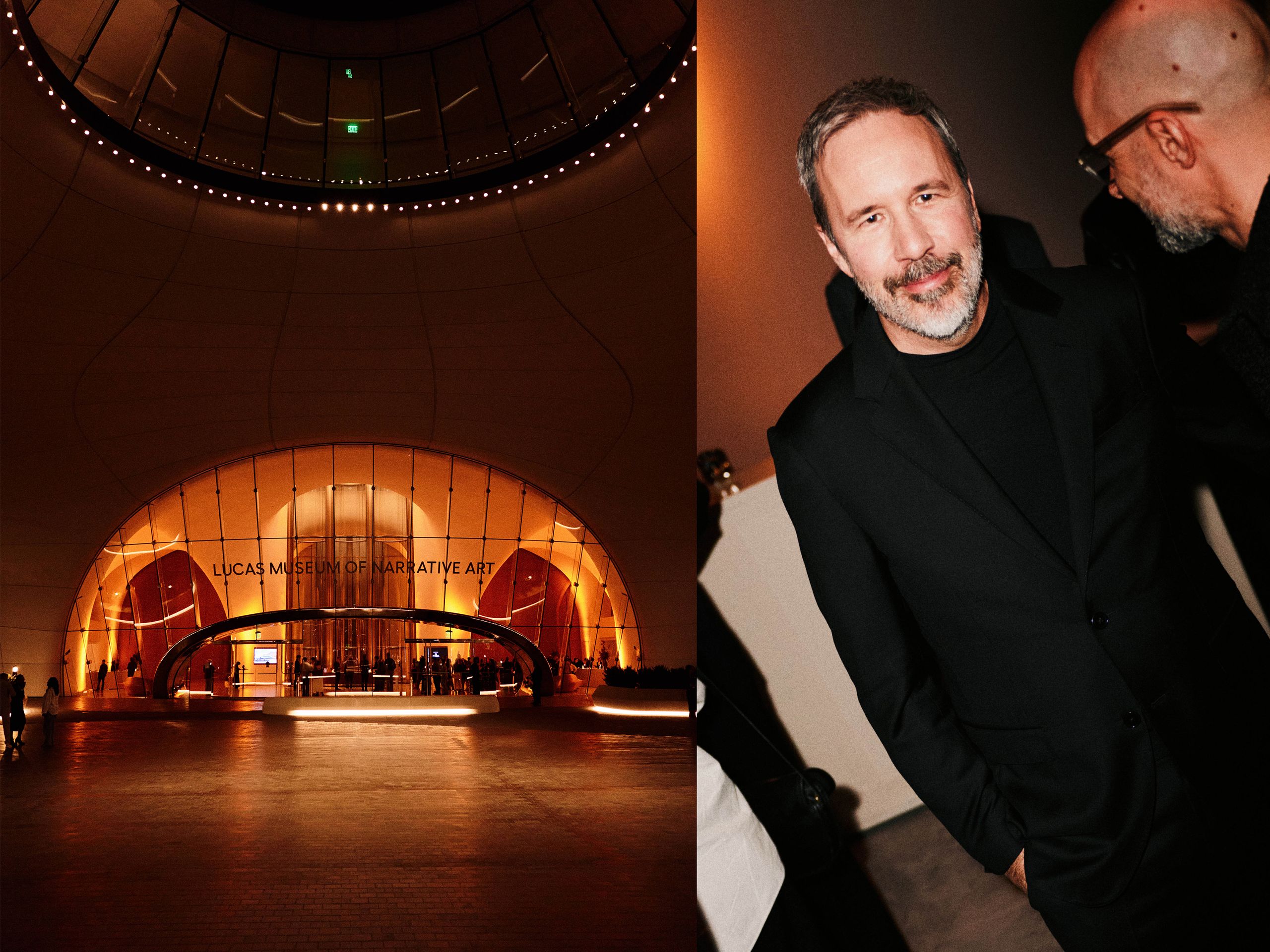
The occasion was a special screening and conversation at the Lucas Museum of Narrative Art, staged for GQ’s Director of the Year. The magazine’s Men of the Year program tends to turn honorees into conversation partners, and this one gave Villeneuve a room to talk about goodbyes and hellos in the same breath.
The goodbye is Dune. The hello is James Bond.
A Desert Saga Reaches Its Last Chapter
Villeneuve’s relationship with Frank Herbert’s universe has defined the last several years of his career. His 2021 Dune and its 2024 sequel turned a novel long labeled unfilmable into a pair of big-screen events. Dune: Part Three, drawn from Herbert’s follow-up novel Dune Messiah, is the closer, and GQ’s account frames the evening as the director saying goodbye to the franchise.
That farewell matters for reasons beyond box office. Villeneuve built a look for these films that people have copied since: muted sand tones, brutalist silhouettes, stillsuits that read as high fashion, and a costume language in which austerity signals power. Walk through any recent runway season and you can find echoes of it in the layered, monochrome, vaguely ceremonial tailoring. When a director leaves a world he has shaped that thoroughly, the aesthetic does not leave with him. It lingers in menswear and in how audiences expect science fiction to look.
Dune Messiah is also a famously bleaker book than its predecessor, a story about what happens after the hero wins. Ending a trilogy on that note is a daring way to sign off. It lets Villeneuve close the saga on consequence rather than spectacle, which suits a filmmaker whose best work, from Arrival to Blade Runner 2049, lingers in ambiguity.
The Most Watched Job in Spy Movies
Then there is Bond. Amazon MGM Studios now controls the franchise, and Villeneuve is the filmmaker tapped to steer its next era, with Amy Pascal and David Heyman producing. The character has been recast and reinvented before, but rarely under this much scrutiny. Daniel Craig’s final outing, No Time to Die, wrapped up his run in 2021, and the series has been in an extended pause since.
Which brings us back to that blunt line. “We cannot f*ck it up” is not the language of a director coasting on prestige. It is the sound of someone who understands that Bond belongs to the public in a way few film characters do. Everyone has a favorite actor, a favorite gadget, a favorite opening credits sequence. Villeneuve is stepping into a role where nearly every choice, from the casting to the cut of a dinner jacket, will be argued over in advance.
That last detail is where Bond and a style publication naturally meet. The tuxedo, the watch, the tailored suit that survives a fistfight: 007 has long served as a rulebook for a certain kind of masculine polish, and each new era rewrites it. Villeneuve’s visual instincts lean toward restraint and scale rather than flash, so the wardrobe and production design of his Bond will be one of the first things critics and fashion editors dissect.
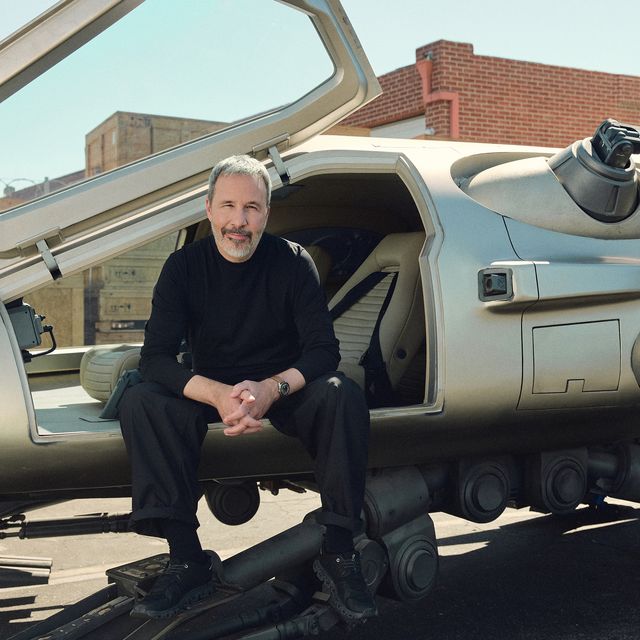
Why the Setting Fit the Message
The venue itself carried some of the meaning. The Lucas Museum of Narrative Art, founded by George Lucas, is devoted to storytelling across illustration, film, and other visual forms. Putting a director who has spent years building one mythology and is about to take custody of another inside a museum of narrative felt less like coincidence and more like set dressing for the conversation.
Villeneuve’s position is unusual. Directors who finish a franchise usually take a breather, or at least pick something small. He is moving directly from one of the biggest science fiction sagas of the century to one of the most scrutinized properties in film history. Both come with fan bases that treat deviation as heresy. Dune readers guarded Herbert’s text for decades, and Bond loyalists have spent more than sixty years debating who did it best.
Still, the director’s profile has changed. He is no longer just the moody craftsman behind Sicario and Prisoners; he is the person studios trust with brands that cannot afford a stumble. GQ’s decision to name him Director of the Year reads as recognition of that status, and his candor about the stakes suggests he knows exactly what he has signed up for. Whether a filmmaker so devoted to sober, slow-burning storytelling can deliver the particular pleasures of a Bond film, the wit, the glamour, the sheer fun, is the open question hanging over the project.

Dune: Part Three is slated for December 2026, which means Villeneuve will say his final goodbye to Arrakis in theaters before anyone sees a frame of his Bond, and he has already told a room full of people that the second job leaves no margin for error.