




When the Body Is the Material
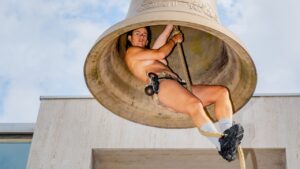
There is a specific kind of art that does not ask for your approval – it asks for your physical response. Florentina Holzinger has built an entire practice around that demand, and the results have been visceral in the most literal sense: audiences have vomited, passed out, and walked out of her performances mid-show. These are not accidental side effects. They are, by any reasonable reading of her work, part of the point.
At the Venice Biennale, none of that discomfort stopped the art world from crowning her a star.
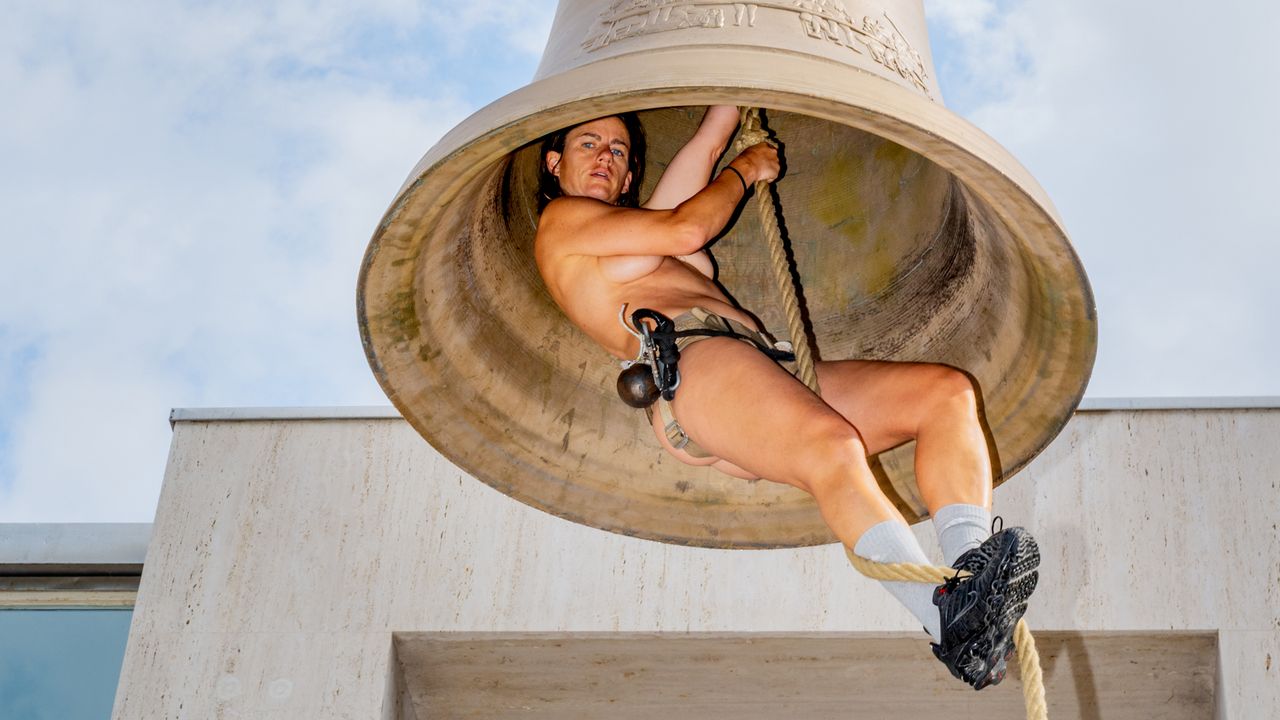
Holzinger works with the naked human body in ways that strip away the ornamental distance most performance art still maintains between what is shown and what is felt. Her work does not gesture toward extremity – it commits to it, fully, and the physiological reactions from her audiences are the clearest evidence that the commitment lands.
A Career Built on Discomfort
The fainting and the vomiting are not stunts pulled out for shock value, nor are they failures of audience management. They are documentable outcomes of a deliberate artistic strategy that Holzinger has refined over years. Her performances use the unclothed body not as provocation in the old transgressive-art sense – that shock has long expired – but as a primary medium, the way a painter uses oil or a sculptor uses stone. The flesh itself carries the meaning, and the meaning is often difficult to absorb.
What makes Holzinger’s trajectory interesting is that the work has not softened to accommodate broader audiences. The version of her practice that arrived at Venice is the same uncompromising mode that caused viewers to leave earlier shows. The Biennale did not receive a diluted Holzinger – it received the actual one, and responded with the kind of institutional recognition that usually requires an artist to meet the institution halfway. She did not meet it halfway.
This matters because the art world has a long habit of absorbing difficult work by gradually defanging it – celebrating an artist while quietly encouraging the edges to dull. Holzinger’s ascent at Venice suggests something slightly different is happening, though what exactly remains to be seen. The work that made people physically ill is now the work being celebrated on one of the most prominent international stages in contemporary art.
Venice and the Question of What the Art World Can Hold
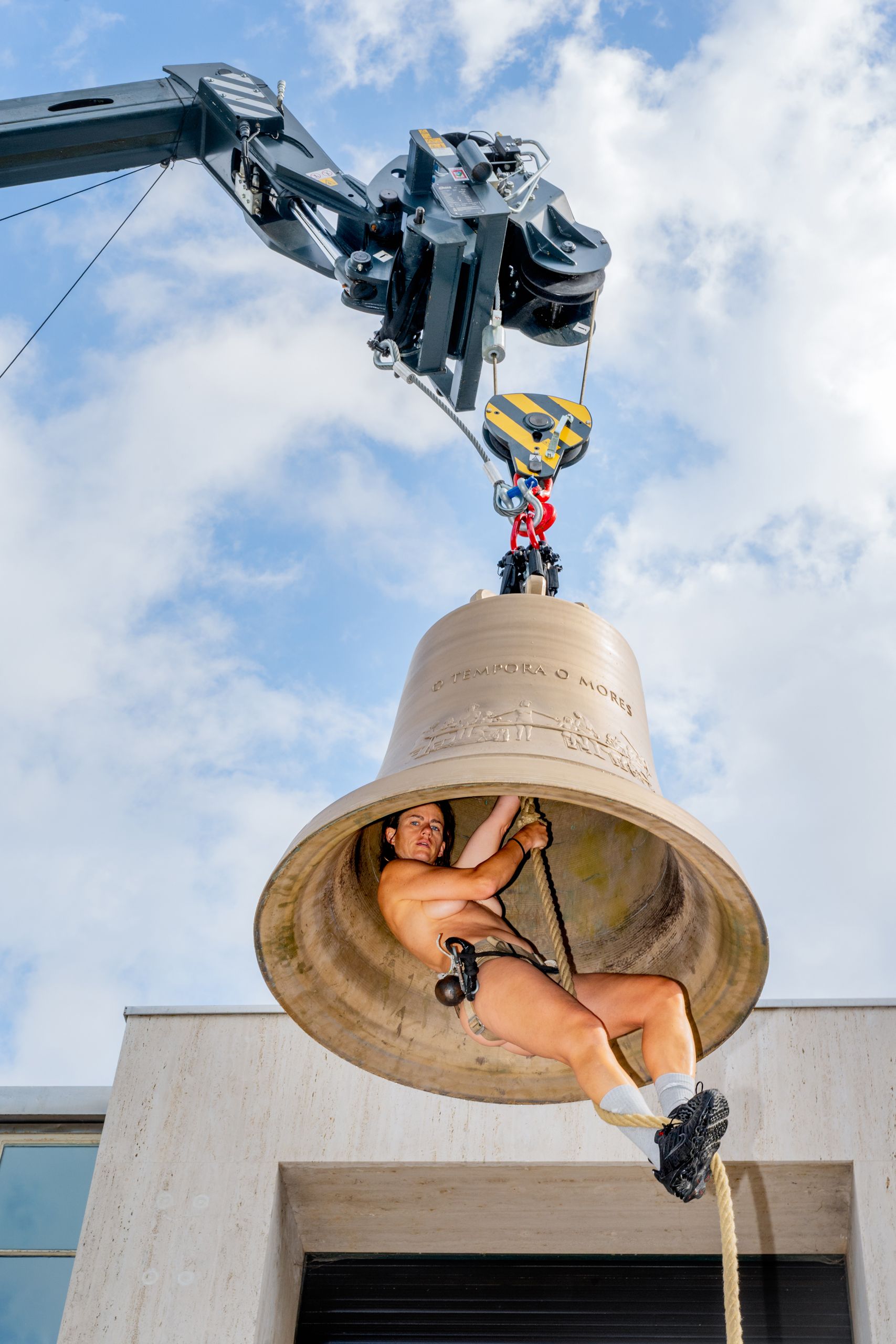
The Venice Biennale operates as a kind of global art-world referendum – not a perfect one, not an uncontested one, but a referendum nonetheless. When a figure like Holzinger breaks through there, it signals that a critical mass of curators, collectors, critics, and institutional decision-makers have decided her vision belongs at the center of the conversation rather than its edges. That shift carries weight precisely because her work has been, by documented audience reaction, genuinely hard to be in the same room with.
The people who fainted or left her earlier performances were not weak or unprepared in any simple sense. Extreme physical performance work operates on the nervous system before it operates on the intellect, and Holzinger’s practice appears to do this more effectively than most. The body registers something before the critical mind has a chance to frame it as art, and that window – between raw response and aesthetic processing – is where her work lives. Venice did not close that window. It just put a spotlight on it.
Her recognition at the Biennale also raises a question that the art world tends to avoid asking directly: whether institutional validation changes the nature of work that was defined, partly, by its position outside institutional comfort. The answer is almost certainly yes, even if the work itself stays identical. The context around an artwork is not inert packaging – it shapes reception, and reception is part of what a performance piece is.
What Comes After the Spotlight
Artists who build practices around bodily extremity tend to face a particular version of the fame problem. The work becomes, through visibility alone, somewhat safer – known quantities carry less danger than unknowns, and once audiences arrive expecting to be disturbed, the disturbance changes character. Whether Holzinger’s work can retain the quality that sent people rushing from their seats, now that her name arrives in rooms before she does, is not a question with an obvious answer.
Her situation at Venice is, in this sense, almost a formal constraint in itself: the most prestigious possible context for an artist whose power has depended, at least in part, on catching people off guard. The art world has declared her essential, and the audiences who vomited or fainted in less celebrated rooms are now, retrospectively, footnotes in a success story. Whether Holzinger sees them that way – or whether she considers those reactions the actual critical record of what her work accomplished – is the more interesting question than any award or Biennale billing could answer.
She has not, by any available account, indicated she plans to stop.