





Gothenburg’s Busiest Season
Volvo is moving fast through its lineup. A day after revealing a refreshed XC40, the Swedish automaker pulled the covers off updated versions of its two most significant SUVs – the XC60 and the larger, three-row XC90 – both arriving as 2028 models with a plug-in hybrid system that more than doubles real-world electric range over the outgoing setup.
The XC60 alone has crossed 2.7 million global sales, a number Volvo hit by the end of last year. That kind of volume makes every detail of this refresh commercially loaded.
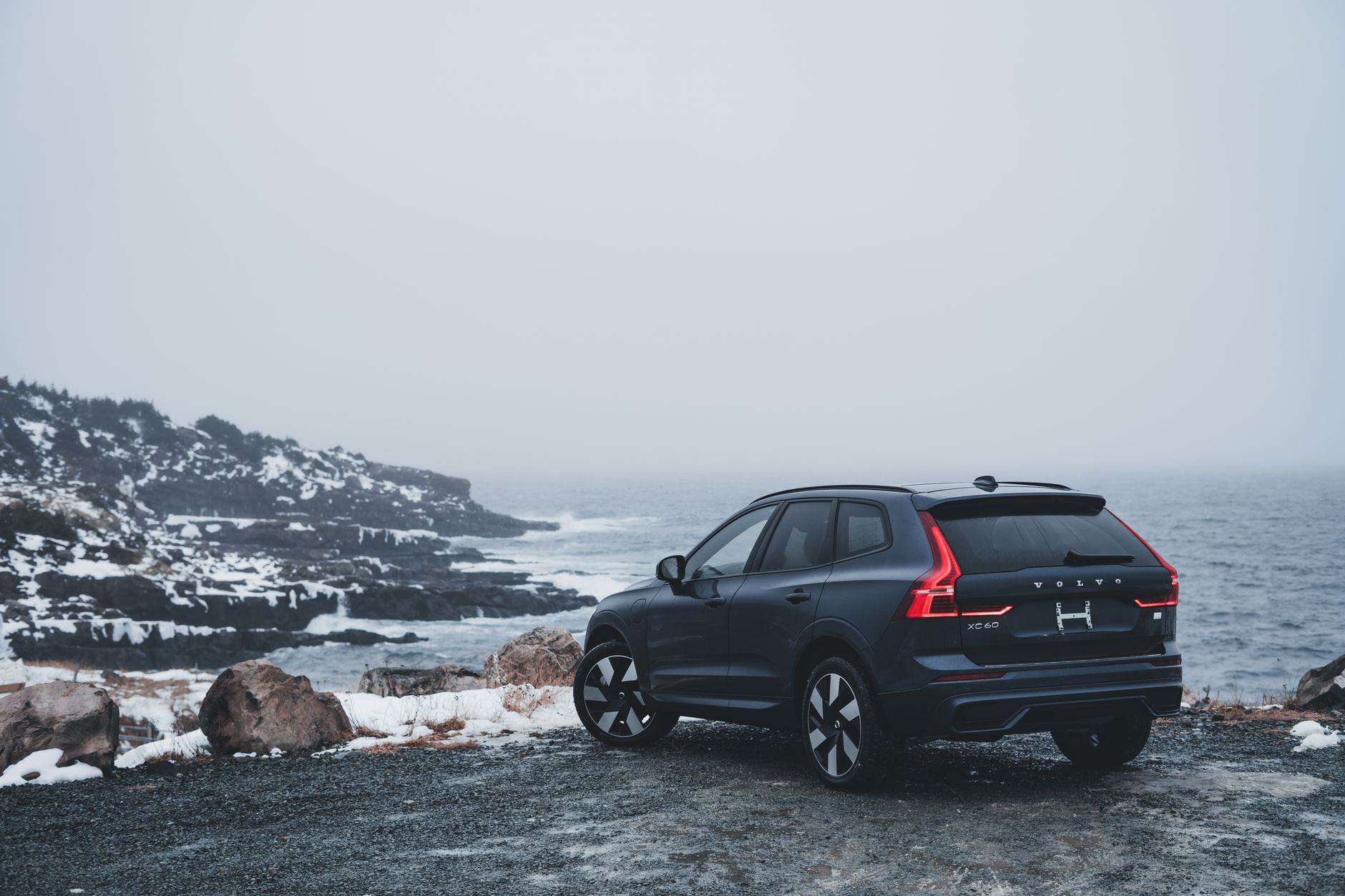
What Changed on the Outside
Styling tweaks on both SUVs are measured rather than dramatic. The “Thor’s Hammer” headlights – Volvo’s signature daytime running light shape – retain their recognizable form but now house matrix LED projectors behind the lens. The front grille has been slimmed down, and the bumpers, wings, and select body panels have all been quietly reshaped. None of it announces itself loudly, which seems intentional for a mid-cycle refresh on vehicles with established visual identities.
The exterior changes are essentially a tightening exercise. Volvo isn’t trying to make the XC60 or XC90 look like something else – it’s trying to make them look like slightly better versions of themselves, which, given the sales figures, is probably the right call.
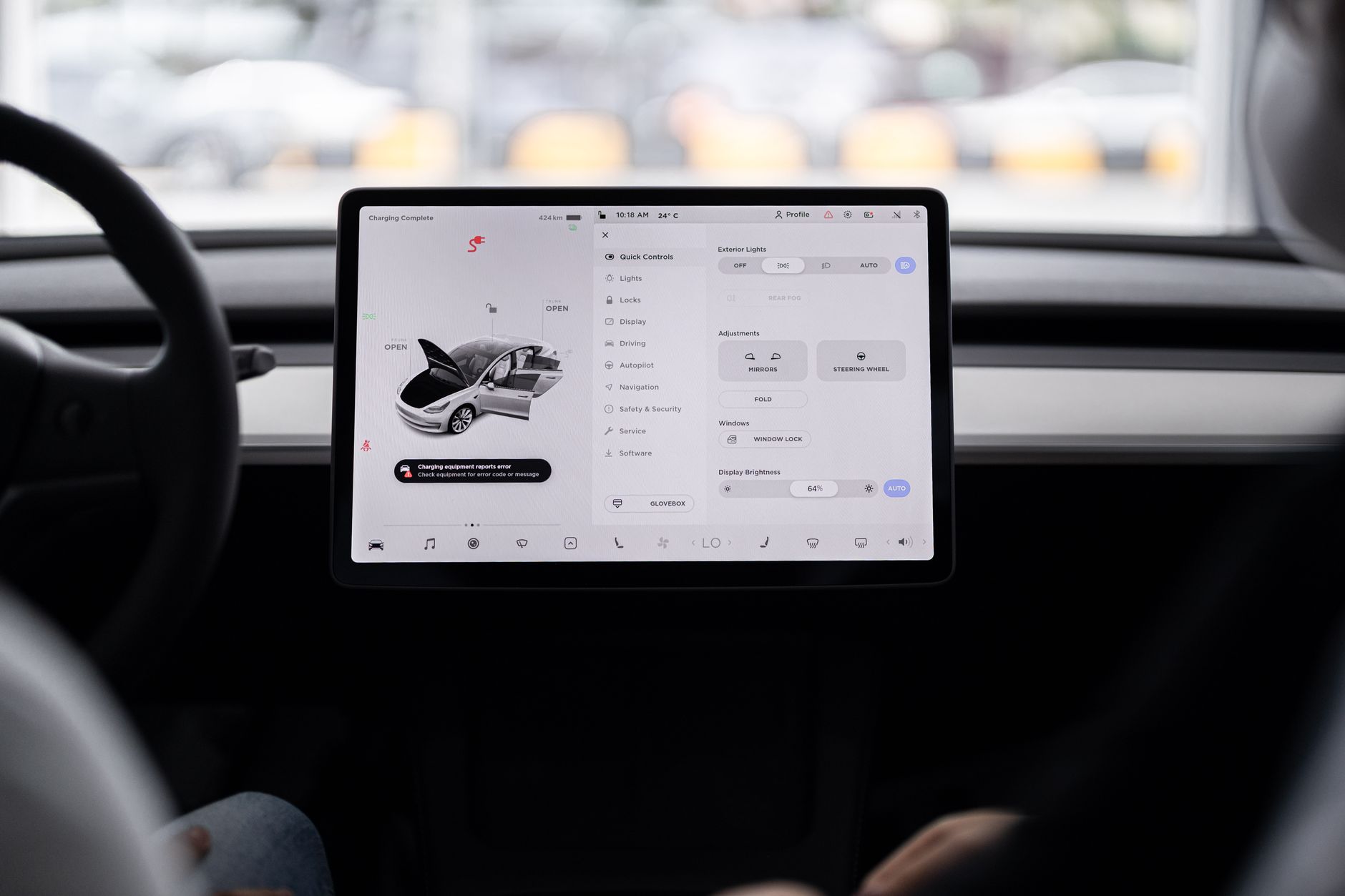
Inside, a new ventilated leather option joins the cabin. The bigger hardware change is the upgraded infotainment display: an 11.2-inch screen, matching what Volvo introduced on the XC40 refresh. It runs Android Automotive OS, as before, but with a Gemini personal assistant layered on top to handle conversational voice control.
The Gemini Situation
The previous voice assistant in Volvo’s infotainment had become a genuine liability. Rather than improving over time, it had noticeably degraded – a slow regression that frustrated owners who expected software to get better with updates, not worse. The new Gemini integration, based on brief hands-on testing in London where Volvo hosted the reveal, performs meaningfully better. That’s a low bar in some respects, but the gap is real enough to notice.
Whether Gemini holds its performance over years of use is a different question. Volvo’s last assistant deteriorated precisely because maintaining conversational AI in automotive environments – with irregular update cycles, connectivity constraints, and the demand for near-instant response – is harder than it looks at launch.
The Powertrain Is the Point
Beneath the aesthetic adjustments and the infotainment hardware, the plug-in hybrid powertrain is where Volvo made its most consequential changes. Doubling real-world electric range is not a marginal improvement – it’s the kind of jump that changes how an owner actually uses the car day to day. A plug-in hybrid with limited EV range functions mostly as a regular hybrid; one with substantial range can cover daily commutes on battery alone, only burning fuel on longer runs.
Volvo hasn’t disclosed the full technical specifications of the updated powertrain ahead of a broader launch, but the real-world range doubling suggests a substantially larger battery pack rather than efficiency tuning alone. Battery capacity, not software optimization, is typically what moves the needle that much.
The XC90’s three-row format makes the battery engineering more interesting – packaging a significantly larger pack into a vehicle that also has to accommodate a third row of seating, a full drivetrain, and cargo space is a tighter puzzle than it looks. Volvo’s ability to hit that range number in the XC90 without compromising interior dimensions will matter to families who buy the vehicle specifically because of its seating capacity.
Both vehicles are also positioned at a market moment where plug-in hybrids are finding renewed commercial traction, particularly among buyers who want electrification without committing to a pure EV and its charging infrastructure demands. The XC60 and XC90 sit in the upper-middle of the SUV market – not entry-level, not ultra-luxury – and buyers at that price point increasingly expect meaningful electric capability as a baseline feature rather than an upgrade. If the range numbers hold in independent testing, Volvo’s timing is reasonable. If they don’t, the gap between marketing claims and real-world experience will surface quickly in owner forums, where XC60 and XC90 communities are large and vocal.
Volvo previewed both vehicles during a period when European automakers are under pressure to demonstrate genuine electrification progress, not just incremental gains. The 2028 model year gives Volvo roughly two years of sales runway on this powertrain before the competitive landscape shifts again – and the XC60’s 2.7 million-unit history means even a modest per-unit improvement in electric capability touches an enormous installed audience. The question is whether buyers shopping in 2026 and 2027 will wait for the refresh, or whether the current generation clears out fast enough that the updated models land into a receptive market rather than a saturated one.