





Rockstar Built a City. Florida Built the Original.
When Rockstar Games finally dropped the first trailer for Grand Theft Auto VI, the internet locked onto one detail faster than any plot point: the setting. Vice City – the franchise’s long-running fictional stand-in for Miami – was back, and this time it looked close enough to the real thing that actual Floridians stopped scrolling. The neon, the heat haze, the particular shade of teal that the Atlantic throws against South Beach on a cloudless afternoon – something about it registered as genuinely familiar. Then, almost immediately, the arguments started.
GQ reached out to a cross-section of people who actually live and work inside the city Rockstar spent years studying: Sophie Rain, Steve Aoki, designers, crypto investors, university students, and assorted residents who carry Miami in their muscle memory rather than their research files. What came back was not a clean verdict. It was something more honest – a portrait of a city so layered and contradictory that even a game studio with enormous resources and satellite-image access could only capture parts of it.
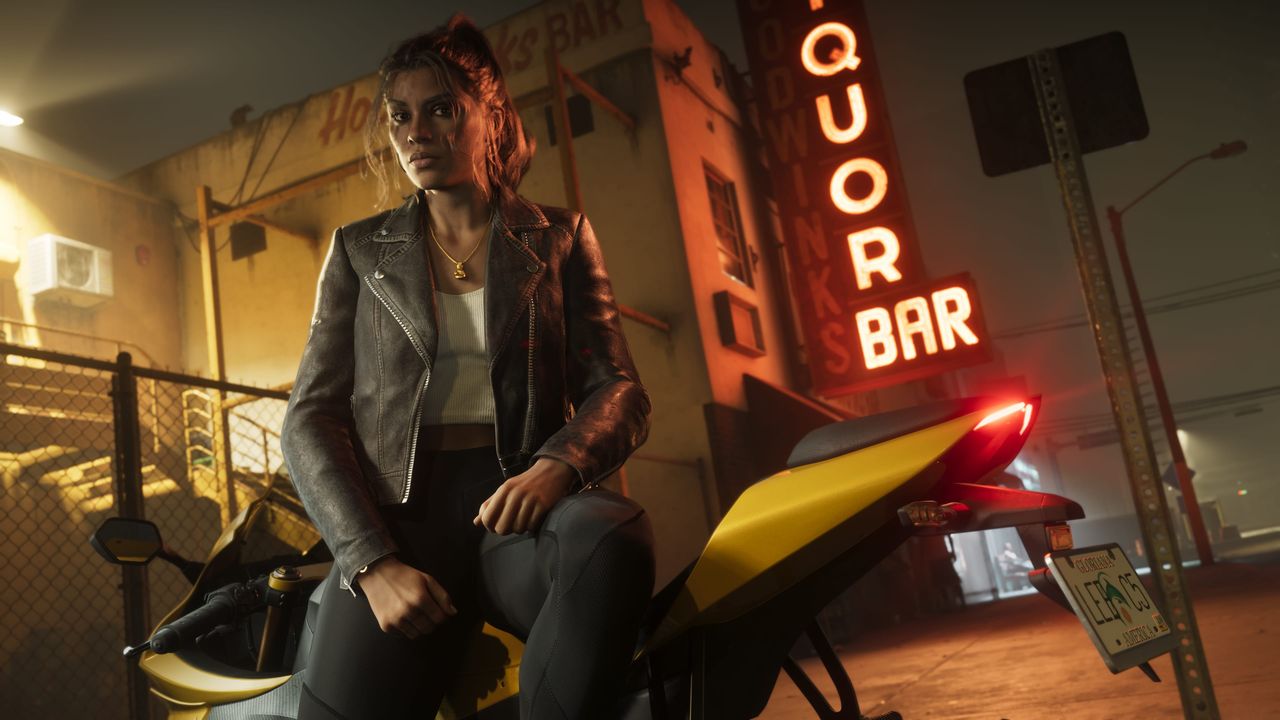
What Rockstar Actually Got Right
The visual texture is hard to argue with. Miami’s built environment has always operated on a specific frequency – Art Deco facades in faded sherbet tones, glass towers cutting into subtropical sky, strip malls sitting directly beside yacht-lined canals as if zoning laws were written by someone doing two things at once. The game reproduces that layering with enough fidelity that several respondents described moments of recognition that felt involuntary, not analytical. Steve Aoki, who has spent enough time in Miami to understand both its nightlife architecture and its daylight geography, pointed to that visual register as something Rockstar clearly studied rather than guessed at.
The demographic energy also lands closer to accurate than most outsiders manage. Miami is not a monolith – it runs on overlapping cultural grids, and the game’s fictional Leonida state appears to account for at least some of that complexity. Students from the University of Miami noted that the game’s background crowds and neighborhood transitions carry a specificity that distinguishes between Miami Beach, Little Havana, and Brickell in ways that matter to people who actually commute between them. That granularity is not nothing. Most fictional Miamis flatten the city into a single vibe. GTA VI at least seems to understand there are several.
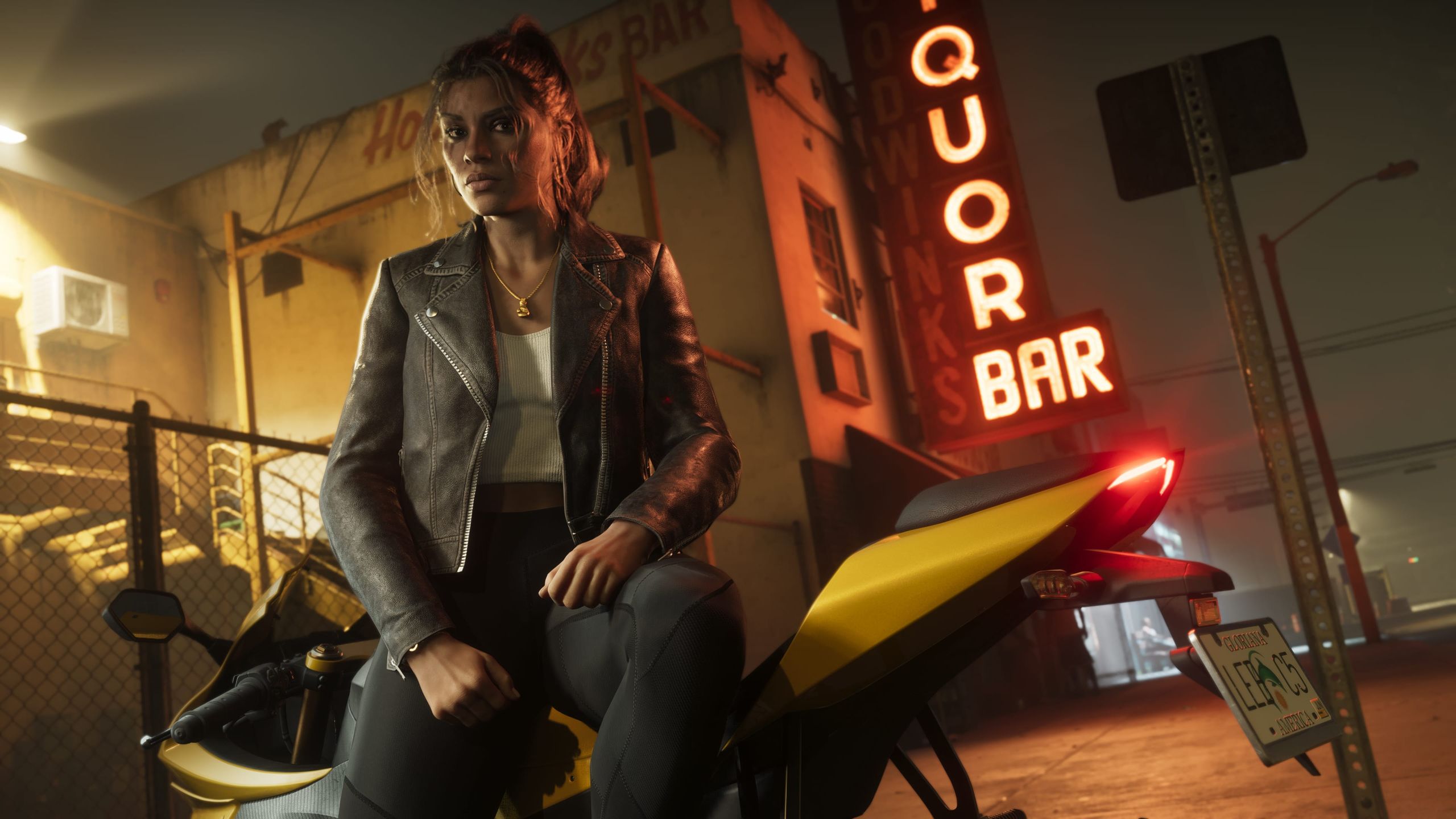
Where the Fiction Starts Showing Its Seams
Sophie Rain, who grew up in Florida and has built a significant public profile partly anchored to that identity, flagged something the game cannot easily fix: the smell, the weight of the air, the way heat in Miami is not merely a temperature reading but a physical presence that changes how you move and what you wear. That is not a criticism any video game can fully answer. But it points toward a broader gap – the city’s sensory reality is inseparable from its cultural identity, and a visual medium can only approximate it.
The crypto contingent had more specific complaints. Miami has positioned itself aggressively since roughly 2021 as a technology and finance hub, drawing founders and investors in a migration that reshaped neighborhoods like Wynwood and Brickell faster than most urban shifts manage. That version of Miami – the one running on Telegram channels, conference lanyards, and rooftop pitch meetings – is largely absent from what Rockstar rendered. The game’s version of wealth reads as old-school criminal opulence rather than the newer, stranger affluence of people who made money in ways that require three sentences to explain at dinner parties.
Designers in the respondent pool raised questions about fashion specifically. Miami’s style reality in 2024 and 2025 is not what it was when Vice City first launched in 2002. The city now runs a full spectrum – from the lingering pastel nostalgia that tourists expect to a genuinely distinct local aesthetic influenced by Brazilian fashion, Caribbean color theory, and the particular vanity of people who live somewhere that requires them to dress for both 95-degree humidity and a heavily air-conditioned interior within minutes of each other. The game defaults toward the cinematic version of Miami style, which is recognizable but slightly dated.
Then there is the question of scale. Miami is larger, slower, and more suburban in its daily texture than any action game can afford to represent honestly. The version of any city that works inside GTA’s framework – dense, walkable, full of incident – requires compression that inevitably distorts. Locals are not wrong to note that the real Miami involves a lot of sitting in traffic on I-95 in a way that does not translate to compelling open-world design.
The Florida Problem Is Bigger Than the Game
Florida as a cultural export has always been fighting two competing images simultaneously. There is the Florida of retirement communities, theme parks, and hurricane season – unglamorous, horizontal, deeply weird in ways that have nothing to do with glamour. Then there is the Florida of Miami Vice, Art Basel, Ultra Music Festival, and now, apparently, GTA VI – cinematic, dangerous, beautiful in a slightly menacing way. Rockstar is working firmly within the second tradition, which means it is accurate to a version of Florida that exists but oversells itself constantly.
Steve Aoki’s presence in the respondent pool is telling in this context. He is someone who engages with Miami primarily through its nightlife and event infrastructure – the version of the city that was built to be seen, photographed, and mythologized. Of course that Miami reads as recognizable in the game. It was always performing for exactly this kind of reproduction.
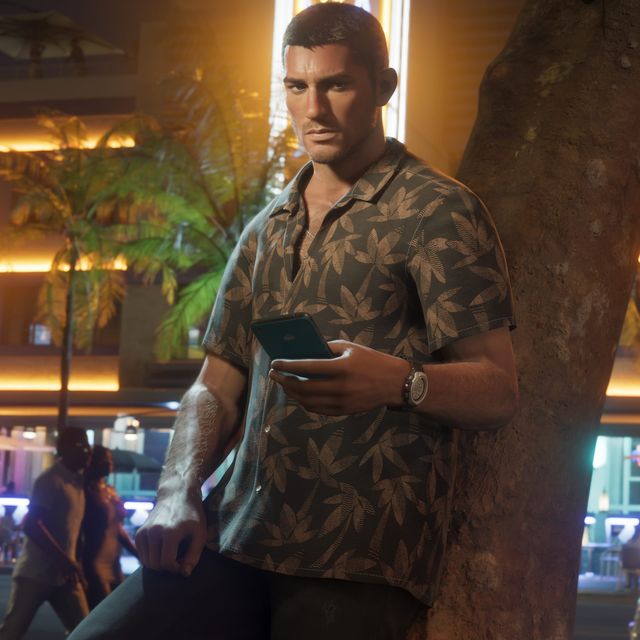
A City That Has Always Been Its Own Fiction
What the GTA VI conversation reveals, underneath the debates about accuracy, is that Miami has never been purely a place. It has always been partly a projection – somewhere that different groups arrive at with different mental images already loaded, and then reshape physically and culturally to match those images. The designers came for the architecture and stayed to build more of it. The crypto investors came for the tax structure and the weather and named the whole migration a movement. Sophie Rain built an identity there that reads as definitively Floridian to millions of people who have never been within a thousand miles of the state.
Rockstar did not invent a fictional Miami so much as it selected from the many Miamis already in circulation and rendered the most dramatically useful one. Whether that is a failure of research or a completely rational creative decision depends on what you think games owe to the cities they inhabit. The students who said the game captured something true about their city and the designers who said it missed the point are both right – they are just describing different cities that happen to share a zip code. The more interesting question is which version will outlast the other, and whether a game that reaches hundreds of millions of players gets to cast the deciding vote.