





The Democratic Republic of the Congo faces its most serious Ebola crisis in years, with the World Health Organization elevating the outbreak to emergency status just days after the first cases emerged. Numbers from the US Centers for Disease Control and Prevention show 10 confirmed infections alongside 336 suspected cases and 88 deaths across the DRC, while neighboring Uganda reports two confirmed cases and one fatality.
The outbreak’s rapid expansion places it among the ten largest Ebola crises on record.
WHO Director-General Tedros Adhanom Ghebreyesus announced the public health emergency of international concern on Sunday, though stopped short of declaring a pandemic emergency. The designation comes as health officials track multiple concerning patterns: suspected case clusters spanning different DRC health zones, four deaths among healthcare workers, and apparent disconnections between geographically separated outbreak sites.

Digital Surveillance Networks Track Disease Spread
The CDC’s regional offices provide real-time data feeds that paint a stark picture of disease transmission across Central Africa. Unlike the 2014-2016 West African outbreak that eventually reached over 28,000 cases with 11,000 deaths, current digital monitoring systems offer faster detection capabilities. Mobile health reporting networks now connect remote clinics directly to international disease surveillance databases, compressing response times from weeks to days.
Geographic information systems map case locations against population density data, revealing troubling gaps in the current outbreak pattern. Health zones reporting cases show no obvious epidemiological connections, suggesting either multiple introduction points or undetected transmission chains spanning hundreds of miles. Satellite connectivity enables rural health posts to upload case reports within hours rather than waiting for physical transport of paper records.
The WHO’s emergency operations center processes incoming data streams through automated alert systems that flag unusual disease patterns. Machine learning algorithms analyze symptom reports, death rates, and geographic clustering to identify potential outbreak expansion before human analysts spot the trends. These technological advances explain why international emergency declarations now happen within days rather than weeks of initial reports.

Travel Restrictions Deploy Biometric Screening
US authorities implemented immediate travel restrictions targeting flights from affected regions, deploying enhanced biometric screening at major international airports. Thermal imaging systems scan passengers for elevated body temperatures, while facial recognition software tracks travelers from outbreak zones through immigration checkpoints. The technology builds on lessons learned during the COVID-19 pandemic, when manual temperature checks proved insufficient for large passenger volumes.
Border health screening now integrates with global health databases that flag passengers based on recent travel history and symptom self-reporting through mobile applications. Airlines receive automated passenger risk assessments before takeoff, allowing crew members to identify potential cases during flight. Advanced air filtration systems on international aircraft provide additional protection, though person-to-person transmission remains the primary concern.
The American infected individual represents the first confirmed case outside Africa, triggering enhanced contact tracing protocols that rely heavily on digital tools. Smartphone location data, credit card transactions, and surveillance camera footage help health officials reconstruct movement patterns and identify potential exposure sites. Automated contact notification systems can reach hundreds of people within hours through text messages and push notifications.
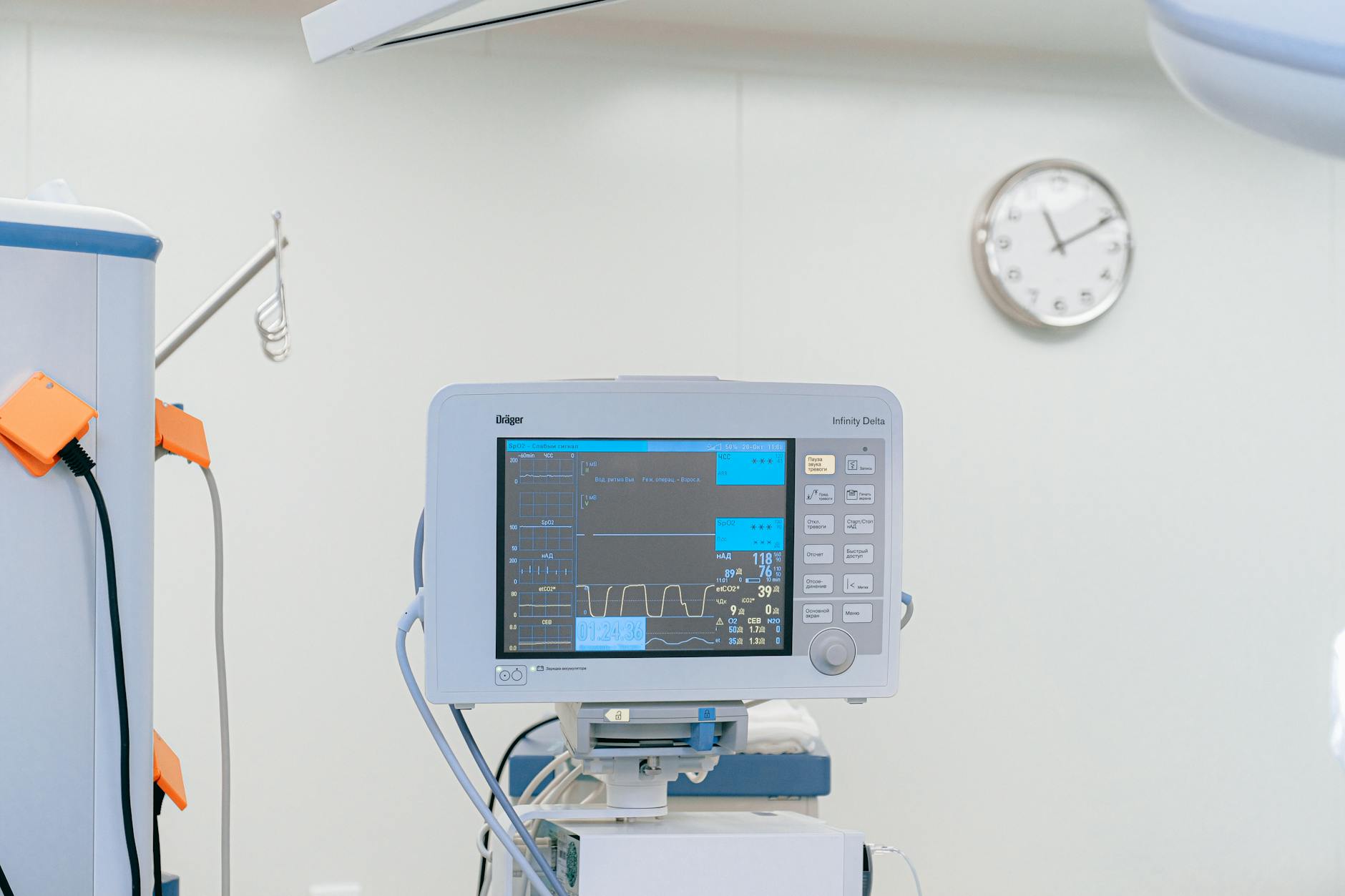
Healthcare worker deaths in the DRC signal a breakdown in protective equipment supply chains that normally rely on digital inventory management systems. The four fatalities among medical staff suggest either equipment failures or protocol breaches that compromise treatment facility safety protocols. Remote diagnostic capabilities through telemedicine platforms may prove essential as local healthcare infrastructure faces mounting pressure from case volumes that exceed current capacity projections.