




Dating has evolved from dinner-and-a-movie to something far more interactive. Couples are ditching traditional restaurants for hands-on cooking classes, creating a trend that’s reshaping how people connect over food. What started as a niche activity has exploded into a mainstream dating phenomenon, with cooking studios reporting booking increases of over 200% for couple sessions since 2022.
The shift represents more than just a new venue choice. Cooking classes offer something modern daters crave: authentic interaction without the pressure of maintaining conversation across a silent dinner table. Instead of staring at each other between courses, couples work together, laugh at mistakes, and create something tangible they can enjoy together.
The Psychology Behind Hands-On Dating
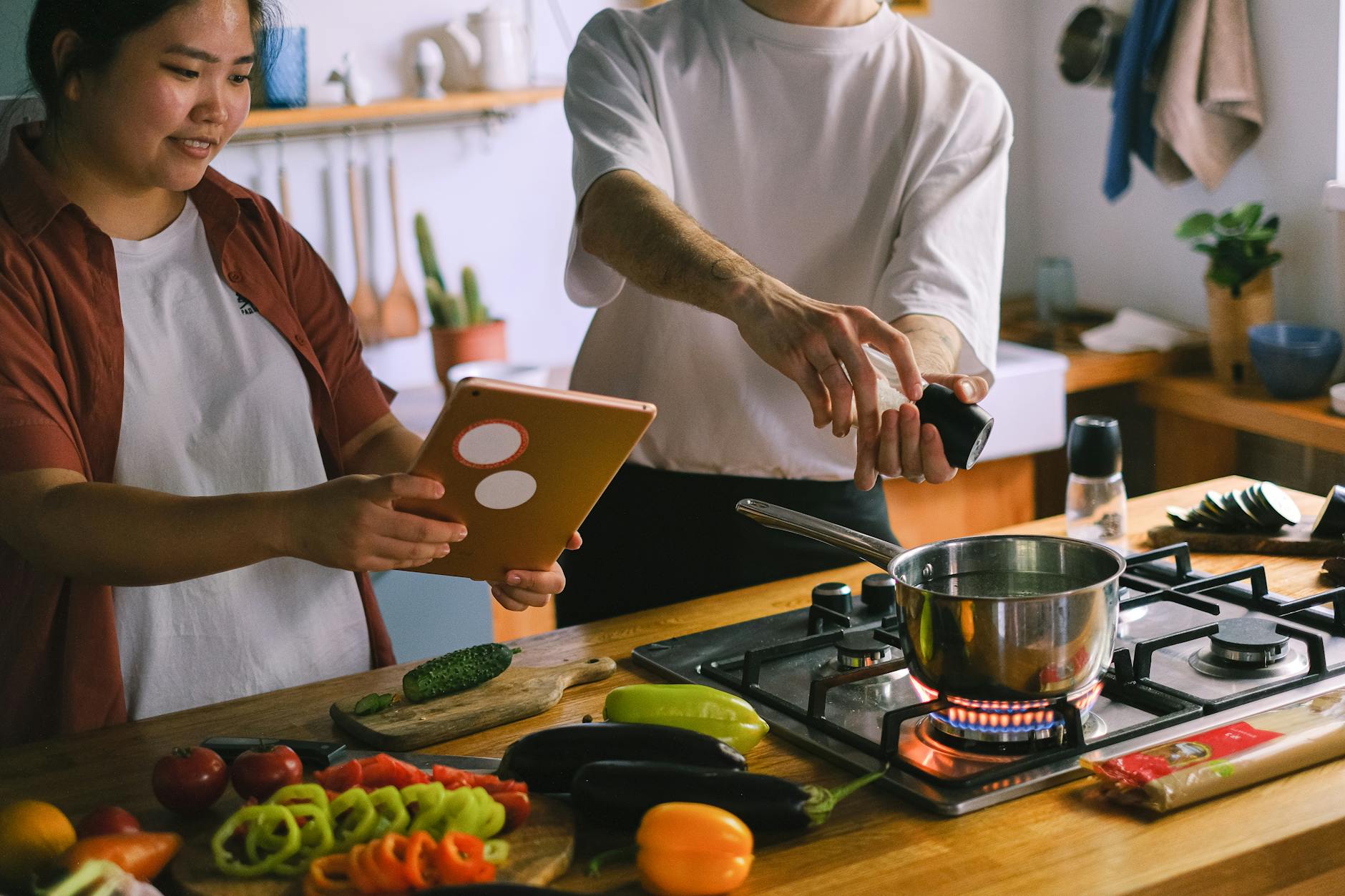
Traditional dinner dates create artificial pressure. Sitting across from someone while making small talk can feel like a job interview with appetizers. Cooking classes flip this dynamic entirely, giving couples a shared goal that naturally generates conversation and reveals personality traits impossible to discover over wine and pasta.
Dr. Sarah Chen, a relationship psychologist based in Los Angeles, explains the appeal: “When you’re cooking together, you’re problem-solving, communicating under mild pressure, and seeing how someone handles mistakes. These are the building blocks of relationship compatibility, and they happen organically during the class.”
The tactile nature of cooking also breaks down physical barriers faster than traditional dates. Sharing ingredients, tasting each other’s dishes, and working in close proximity creates intimacy without the awkwardness of manufactured romantic moments. Plus, there’s built-in conversation material about family recipes, food preferences, and cooking disasters.
Cooking studios have noticed this trend and adapted their offerings accordingly. Sur La Table reports that their couples classes now book out months in advance, particularly for Italian pasta-making and sushi preparation sessions. The company has expanded from offering occasional date night classes to dedicating entire weekend schedules to couples programming.
The Instagram Effect and Experience Economy
Social media has accelerated the cooking class trend, but not in the shallow way critics might expect. Unlike restaurant meals that look identical across tables, cooking classes produce unique, imperfect results that make compelling content. The process shots, messy hands, and collaborative moments create authentic stories couples want to share.
More importantly, the experience aligns with broader cultural shifts toward valuing activities over possessions. The same generation choosing vinyl record listening parties over traditional house parties wants dates that create memories beyond just consuming food someone else prepared.
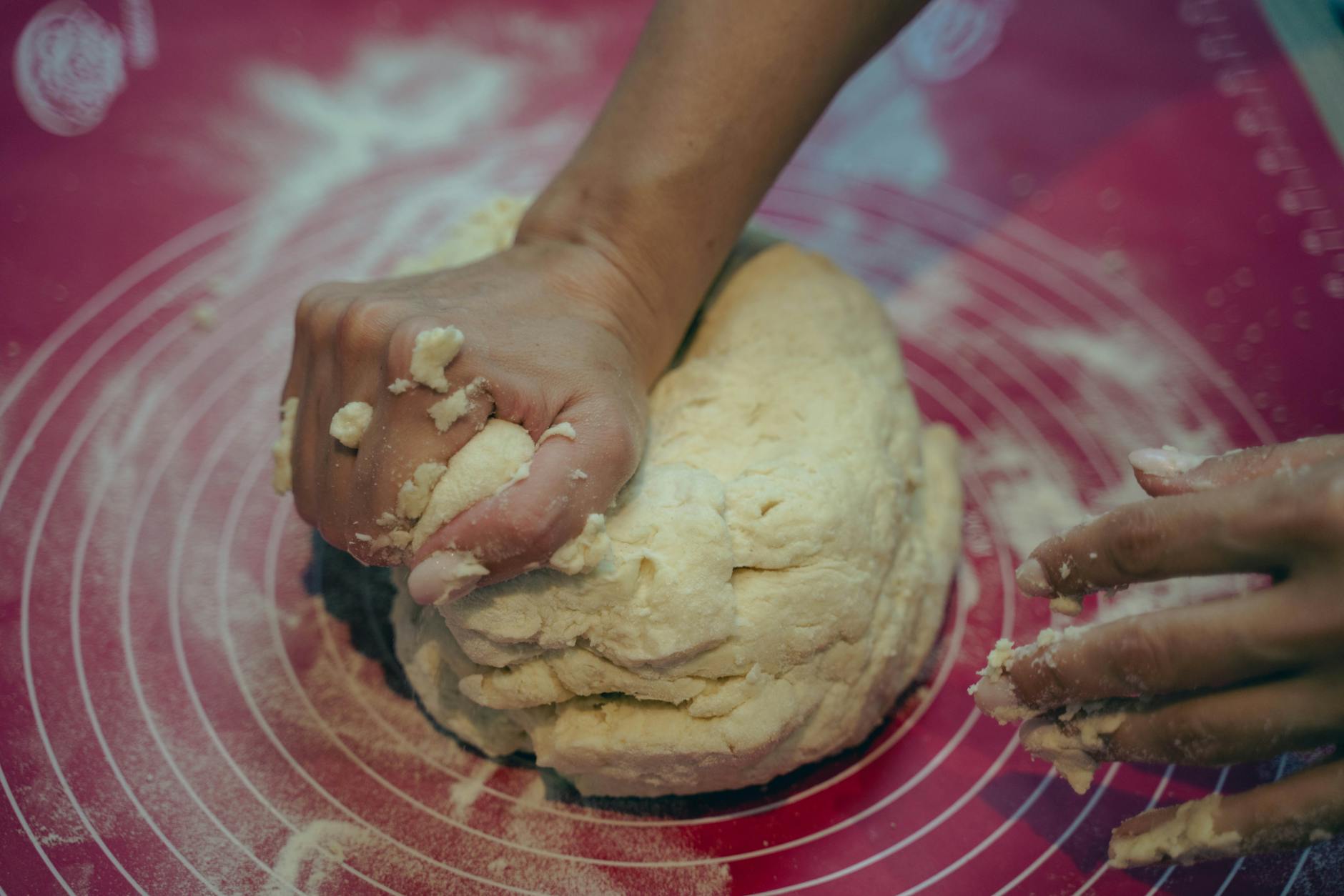
This isn’t about performing for social media; it’s about investing time in skill development together. Many couples report continuing to cook the dishes they learned on subsequent dates, creating a connection that extends beyond the initial class. The shared accomplishment becomes part of their relationship narrative.
Food Network and celebrity chefs have also normalized cooking as entertainment rather than chore. Shows like “The Great British Bake Off” present cooking as collaborative and supportive rather than competitive, influencing how people view kitchen activities as social bonding opportunities.
Economic and Practical Advantages
Cost-wise, cooking classes often provide better value than high-end restaurant dates. A typical couples cooking class ranges from $120-200 and includes ingredients, instruction, wine, and a full meal. Compare this to dinner at a trendy restaurant where two people easily spend $150-250 for less interactive time and no new skills acquired.
The practical benefits extend beyond the single evening. Couples leave with recipes, techniques, and confidence to recreate dishes at home. This creates ongoing date night opportunities that cost significantly less than restaurant outings. Many report that learning to cook together improved their overall relationship dynamic around meal planning and household responsibilities.
Cooking studios have responded by offering package deals and membership programs. Some locations now provide monthly couples subscriptions, allowing partners to work through different cuisine styles over time. The progression from basic knife skills to complex sauce-making creates a shared learning journey that traditional dating activities can’t match.
The trend has also spawned specialized date concepts: wine-pairing classes where couples learn to match food and beverages, competitive cooking challenges for adventurous pairs, and even private instruction sessions for those wanting personalized experiences.
Beyond Romance: Building Life Skills Together
The cooking class trend reflects deeper changes in how people approach relationships. Rather than simply enjoying each other’s company, couples increasingly want to grow together and develop shared competencies. Cooking classes satisfy this desire while addressing practical life skills many people lack.
Millennials and Gen Z, who often learned minimal cooking skills at home, see these classes as essential education disguised as entertainment. The collaborative learning environment feels more supportive than trying to figure out complex recipes alone or watching YouTube tutorials in isolation.
The trend has inspired related activities: pottery classes where couples make serving dishes, cocktail workshops, and even urban farming sessions where pairs learn to grow herbs together. The common thread is hands-on learning that builds both relationship bonds and practical capabilities.
This shift suggests dating culture is moving away from passive consumption toward active creation. Rather than simply experiencing entertainment together, couples want to develop skills, solve problems, and create tangible results that strengthen their connection while building useful life abilities.
The cooking class phenomenon represents more than a dating trend; it signals a fundamental shift toward relationships built on shared growth and practical collaboration. As traditional dinner dates lose their appeal, couples are choosing experiences that challenge them, teach them, and give them tools to build a life together beyond the first few months of courtship. This trend will likely expand into other skill-based activities as people continue seeking authentic connection through collaborative learning.
Frequently Asked Questions
How much do couples cooking classes typically cost?
Most couples cooking classes range from $120-200, including ingredients, instruction, wine, and a full meal for two people.
What makes cooking classes better than restaurant dates?
Cooking classes encourage natural conversation, reveal personality traits, and create shared accomplishments while teaching practical life skills.