





When the Landscape Becomes the Fuel
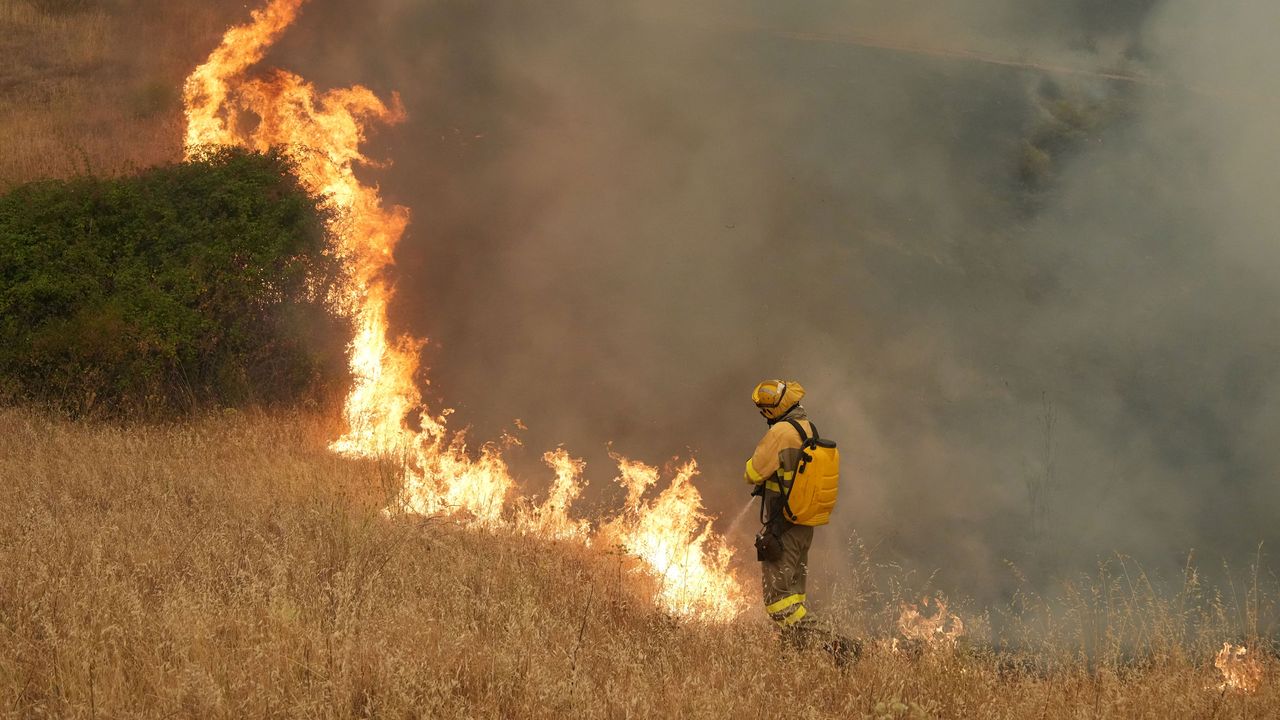
A Spanish firefighter described it plainly: “We put all these ingredients in a cocktail shaker, and the result is massive fires that far exceed the extinguishing capacity of firefighting teams.” No metaphor was needed. The land was already doing the talking – dried out, heated through, and waiting. Across Europe, the conditions that once marked an exceptional summer have calcified into something more permanent, a baseline from which the only direction is worse.
The fire is not the story. The story is everything that had to go wrong before the fire.
What’s accumulating across southern and central Europe is not just scorched acreage but a kind of collective exhaustion – among emergency services, among local governments, among the people who live in the places that keep burning. The firefighting infrastructure was built for a different climate, a different frequency, a different scale of emergency. It was not built for this.
The Cocktail Nobody Ordered
The Spanish firefighter’s metaphor of the cocktail shaker is more precise than it sounds. Fires of this scale and speed require a convergence – not one bad condition but several arriving simultaneously. Drought reduces moisture in vegetation over weeks and months. Heat spikes dry surface material within hours. Wind provides both oxygen and directional force. Remove any one of these and the fire either doesn’t start or doesn’t spread. Add all three, and no ground crew can keep pace.
European firefighting capacity has historically been calibrated around what fire seasons used to look like: localized, seasonal, and bounded by the kind of weather that reliably returned each autumn. That model assumed recovery time between events, enough for equipment to be serviced, personnel to rest, and budgets to be planned around a predictable rhythm. The rhythm has broken. Fires are arriving earlier in the year, lasting longer, and overlapping with each other across different countries in ways that strain mutual aid agreements. When Portugal needs aircraft from France and France is simultaneously managing its own blazes, the math of cross-border cooperation stops working.
There is also the problem of what burns. Decades of rural depopulation across Spain, Portugal, Greece, and parts of Italy have left land unmanaged. Scrub grows where farmland was once maintained. Forests thicken without the human intervention – grazing, clearing, controlled burning – that once kept fuel loads in check. The result is landscapes that have been quietly accumulating fire risk for generations, waiting for a summer hot enough and dry enough to matter.
What “Far Exceeds” Actually Means
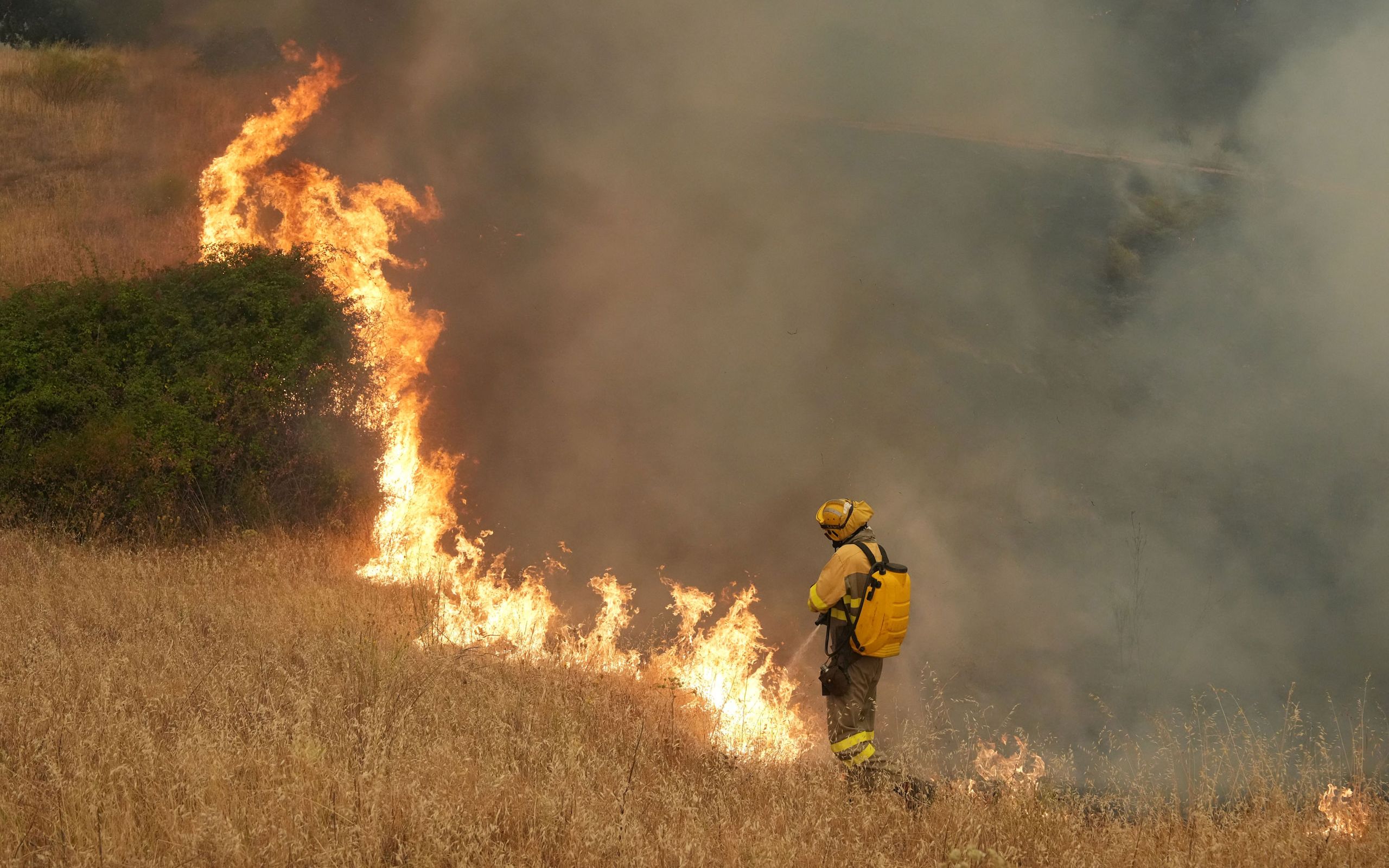
When a firefighter says the fires “far exceed the extinguishing capacity” of their teams, the phrasing is clinical but the implication is stark. It means the professional response is, functionally, not a response – it is containment theater, an attempt to protect specific structures or communities while the broader fire does what it will. Firefighters are not stopping these blazes. They are negotiating with them, trying to limit where they go rather than whether they spread.
That distinction matters for how the public understands the crisis. Fire coverage tends to foreground heroism – the aircraft drops, the backfires, the exhausted crews – and those elements are real. But the frame can mislead, suggesting that effort is the variable. In a fire that exceeds extinguishing capacity, effort is not the constraint. Physics is the constraint: the fire is moving faster, over more fuel, with more heat, than any human intervention can match at scale. This is not a failure of individual firefighters. It is a failure of planning horizons, of infrastructure investment, and of land management policies that assumed the old climate would hold.
Greece, Portugal, and Spain have all experienced seasons in recent years where the fire perimeter expanded by tens of thousands of hectares in a single day. Italy has seen mountain regions burn that rarely burned before. The geography of European fire risk is no longer confined to the traditionally vulnerable south. It is moving north and upward in altitude, into ecosystems with no evolutionary memory of fire and no institutional memory of fighting it.
A Question of Capacity and Calendar
The Spanish firefighter’s image of a cocktail shaker captures something that policy language rarely does: the irrelevance of any single cause. Addressing drought alone, or heat alone, or fuel accumulation alone, doesn’t change the outcome much if the other ingredients are still present. Europe is dealing with a problem that resists the kind of siloed response that governments are structured to provide – where forestry ministries manage forests, climate agencies track emissions, agriculture departments handle rural land, and emergency services respond to crises after they begin. The fire doesn’t observe those divisions.
What would actually change the trajectory involves land management at a scale and consistency that no single political cycle has managed to sustain. Controlled burns, fuel breaks, reforestation with fire-resistant species, and the reversal of rural abandonment are all part of the answer – but they require decades of consistent investment and political will that has historically evaporated after each bad season, when attention moves elsewhere. The urgency fades. The fuel accumulates again.
The cocktail is still being mixed. The only open question is which summer produces the next pour.