





A vintage Chanel bag sold for $15,000 at auction last month – triple what its original owner paid five years ago. Meanwhile, the S&P 500 posted modest gains. This isn’t an isolated case. Luxury resale platforms are documenting unprecedented returns on designer handbags, with some pieces appreciating faster than traditional investment vehicles.
The secondhand luxury market has transformed from garage sale finds to a sophisticated investment ecosystem. Data from resale platforms like The RealReal, Vestiaire Collective, and Fashionphile show certain designer handbags delivering annual returns that would make any portfolio manager envious. Hermès Birkin bags lead the charge, with some models appreciating 8-12% annually over the past decade, outpacing most stock indices.
“We’re seeing a fundamental shift in how people view luxury goods,” says Rebecca Chen, senior analyst at luxury market research firm Bain & Company. “What was once purely aspirational spending is now being viewed through an investment lens.”
The Mathematics of Handbag Investing
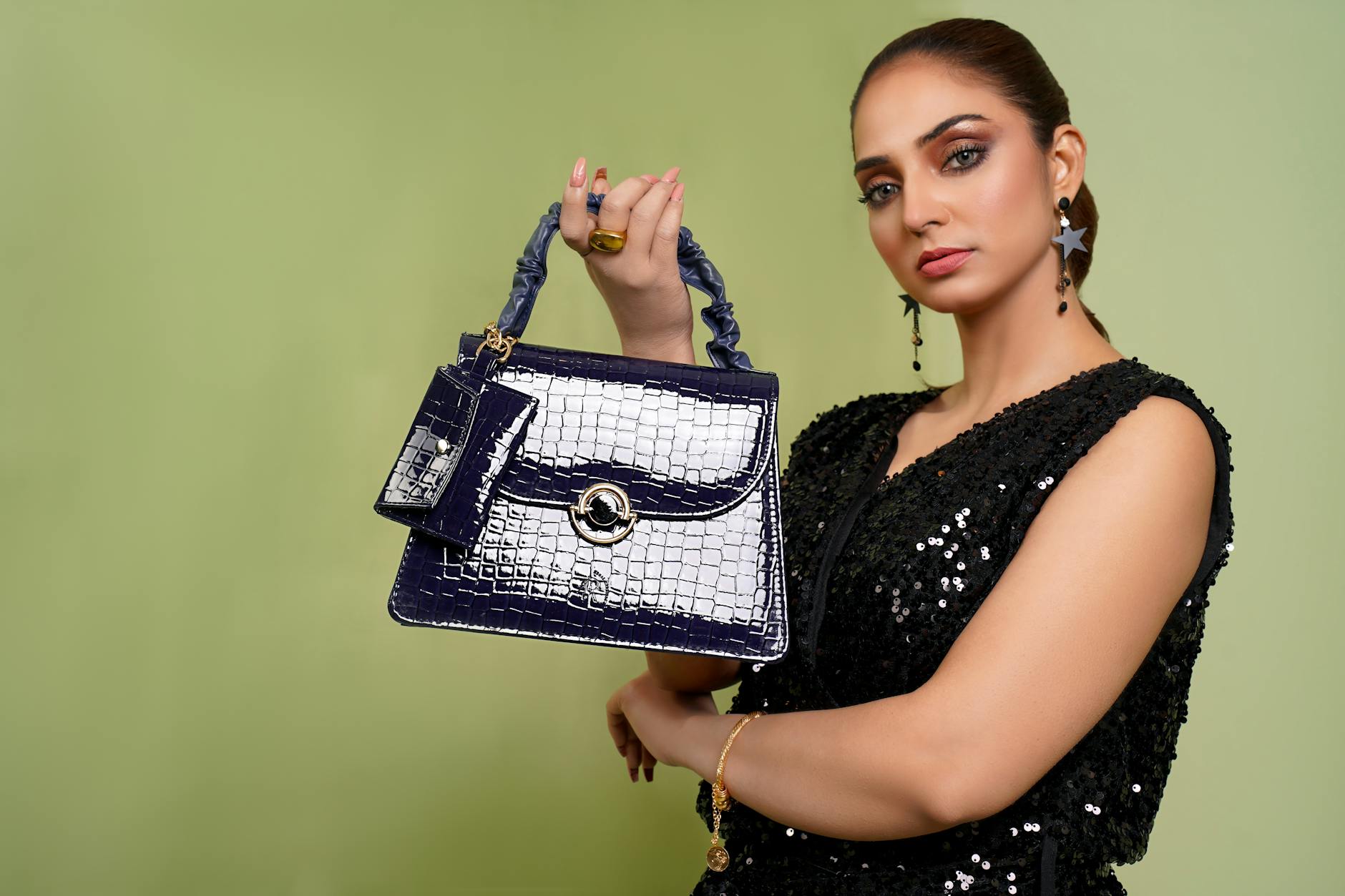
The numbers tell a compelling story. Hermès bags consistently top appreciation charts, with Birkin and Kelly styles leading the pack. A Birkin 25 in Togo leather that retailed for $8,000 in 2015 now commands $18,000-$22,000 on the resale market, depending on condition and color. That’s a 150% increase over eight years, far exceeding most traditional investments.
Chanel bags follow close behind. The brand’s decision to raise prices multiple times over the past five years has created a ripple effect in the resale market. A classic medium flap bag that sold for $4,900 in 2019 retails for over $9,000 today. On the resale market, pre-2020 pieces are selling for $6,500-$7,500, representing solid returns for early buyers.
Louis Vuitton’s limited edition collaborations and discontinued styles also show strong performance. The brand’s Supreme collaboration pieces from 2017, originally priced around $2,000-$3,000, now sell for $8,000-$12,000 in good condition. Even classic Monogram Neverfull bags, retail workhorses priced around $1,500, maintain 70-80% of their value on the resale market.
The key differentiator is scarcity. Unlike stocks, which can be issued indefinitely, luxury brands control production volumes. Hermès produces only 200,000 handbags annually across all styles, while Chanel has reduced production on certain classic styles to maintain exclusivity. This controlled scarcity creates the foundation for appreciation.
Platform Revolution: From Pawn Shops to Algorithms
The infrastructure supporting handbag investing has evolved dramatically. Platforms like TheOutnet, 1stDibs, and Rebag have created liquid markets for luxury goods, complete with authentication services, condition grading, and price tracking. The RealReal went public in 2019, legitimizing the consignment model and providing transparency into market dynamics.
Authentication technology has been crucial to market growth. Companies like Entrupy use microscopic imaging and machine learning to verify authenticity, while platforms employ teams of experts who examine everything from stitching patterns to hardware patina. This verification process has built consumer confidence, essential for treating handbags as investments rather than just fashion accessories.
Price tracking tools now provide the data infrastructure that serious collectors need. Rebag’s pricing algorithm analyzes over 50,000 transactions monthly to provide real-time valuations. Fashionphile offers price alerts and market trend reports. These tools mirror services available for traditional investments, making handbag collecting more strategic and less emotional.
The convenience factor cannot be understated. Consignment platforms handle photography, listing, authentication, and shipping. Sellers can receive payouts within days rather than waiting months for traditional auction houses. Some platforms even offer advance payment options, providing immediate liquidity against consigned items.

The New Collector Class
The profile of luxury handbag buyers has shifted significantly. Investment-minded collectors now research appreciation potential before purchasing, studying brand price histories, production numbers, and market trends. Online communities share acquisition strategies and market intelligence, treating handbag collecting like stock trading.
Younger consumers, particularly millennials and Gen Z buyers, view luxury goods differently than previous generations. They’re more likely to buy pre-owned, more conscious of sustainability, and more comfortable with the idea of fashion as investment. This demographic shift has expanded the market beyond traditional luxury consumers to include savvy investors who may never have considered buying a $5,000 handbag as personal use but will purchase one as an asset.
Geographic expansion has also changed market dynamics. Chinese consumers, in particular, have become major players in the luxury resale market, both as buyers and sellers. Platform data shows strong cross-border activity, with bags purchased in Europe or the United States finding new owners in Asia, and vice versa.
The rental economy has created an additional revenue stream for handbag owners. Platforms like Bag Borrow or Steal and The RealReal’s rental service allow owners to generate income from their collections while retaining ownership. This creates a yield component similar to dividend-paying stocks, making handbag ownership even more attractive from an investment perspective.
Professional investors are taking notice. Some wealth management firms now include collectibles, including handbags, in alternative investment portfolios. Masterworks, which traditionally focused on art, has explored luxury goods as an asset class. Private collectors are forming investment groups, pooling resources to acquire high-end pieces for shared ownership.
Market Risks and Reality Checks
Despite impressive returns, handbag investing carries unique risks that traditional investments don’t. Physical condition affects value dramatically – a scratch or stain can reduce value by 20-30%. Storage becomes crucial; bags need proper care, climate control, and protection from light damage. Unlike stocks, handbags can deteriorate simply by sitting unused.
Market liquidity remains limited compared to traditional investments. While platforms have improved dramatically, selling a specific bag still takes weeks or months, not minutes. Popular styles move quickly, but unusual colors or limited editions may sit for extended periods. Transaction costs are also higher – platforms typically charge 15-30% commission, compared to minimal fees for stock trades.
Brand strategy changes can impact values unexpectedly. When brands like Gucci or Balenciaga change creative directors, entire product lines can fall out of favor. Marketing decisions, celebrity endorsements, and cultural shifts all affect desirability in ways that are difficult to predict.
Counterfeiting remains a persistent threat. Despite authentication improvements, sophisticated fakes continue to enter the market. A bag later discovered to be counterfeit becomes worthless, representing total loss rather than the partial losses possible with traditional investments.
The market’s relative youth means long-term data is limited. While recent performance has been strong, there’s no guarantee these trends will continue indefinitely. Economic downturns could significantly impact luxury goods demand, particularly for discretionary purchases that handbag investments ultimately represent.
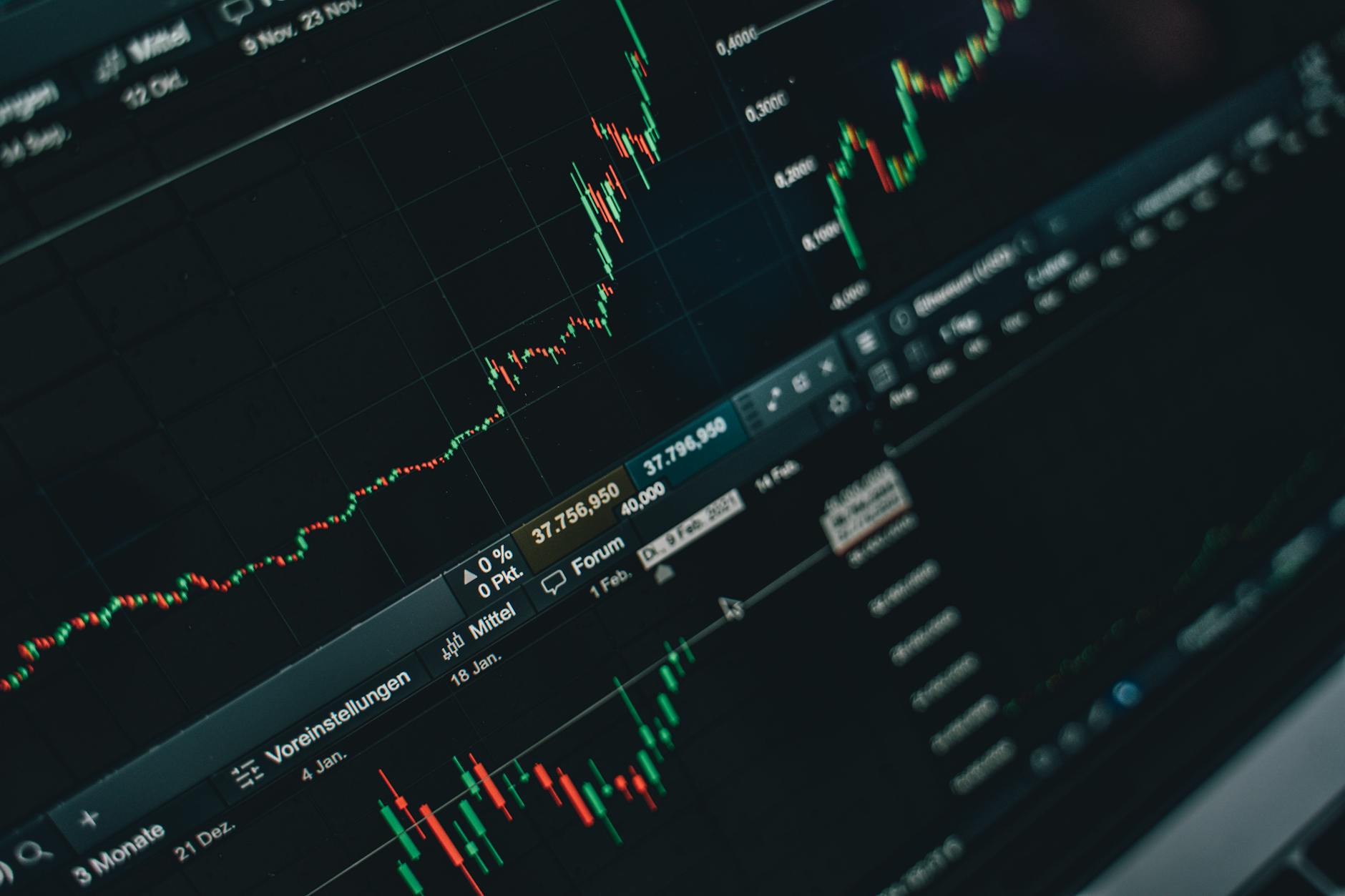
The intersection of fashion and finance continues evolving as digital platforms mature and authentication technology improves. Blockchain verification systems are being tested to create permanent authenticity records. Some platforms are exploring fractional ownership models, allowing multiple investors to own shares in ultra-high-end pieces.
Sustainability trends may further boost the secondhand market. As major retailers open permanent repair shops and consumers become more environmentally conscious, buying pre-owned luxury goods aligns with broader cultural values while potentially delivering financial returns.
The handbag investment phenomenon reflects broader changes in how younger consumers view ownership, value, and status. Whether this represents a lasting shift or a market anomaly remains to be seen, but current trends suggest that fashion’s relationship with finance is only deepening. For now, certain designer handbags are indeed outperforming many traditional investments – though buyers should remember that past performance, whether in stocks or accessories, never guarantees future results.
Frequently Asked Questions
Which designer handbags have the best investment potential?
Hermés Birkin and Kelly bags consistently show the strongest appreciation, followed by Chanel classics and limited Louis Vuitton collaborations.
What are the risks of investing in designer handbags?
Key risks include physical damage, counterfeiting, limited liquidity, high transaction costs, and unpredictable brand strategy changes affecting desirability.